

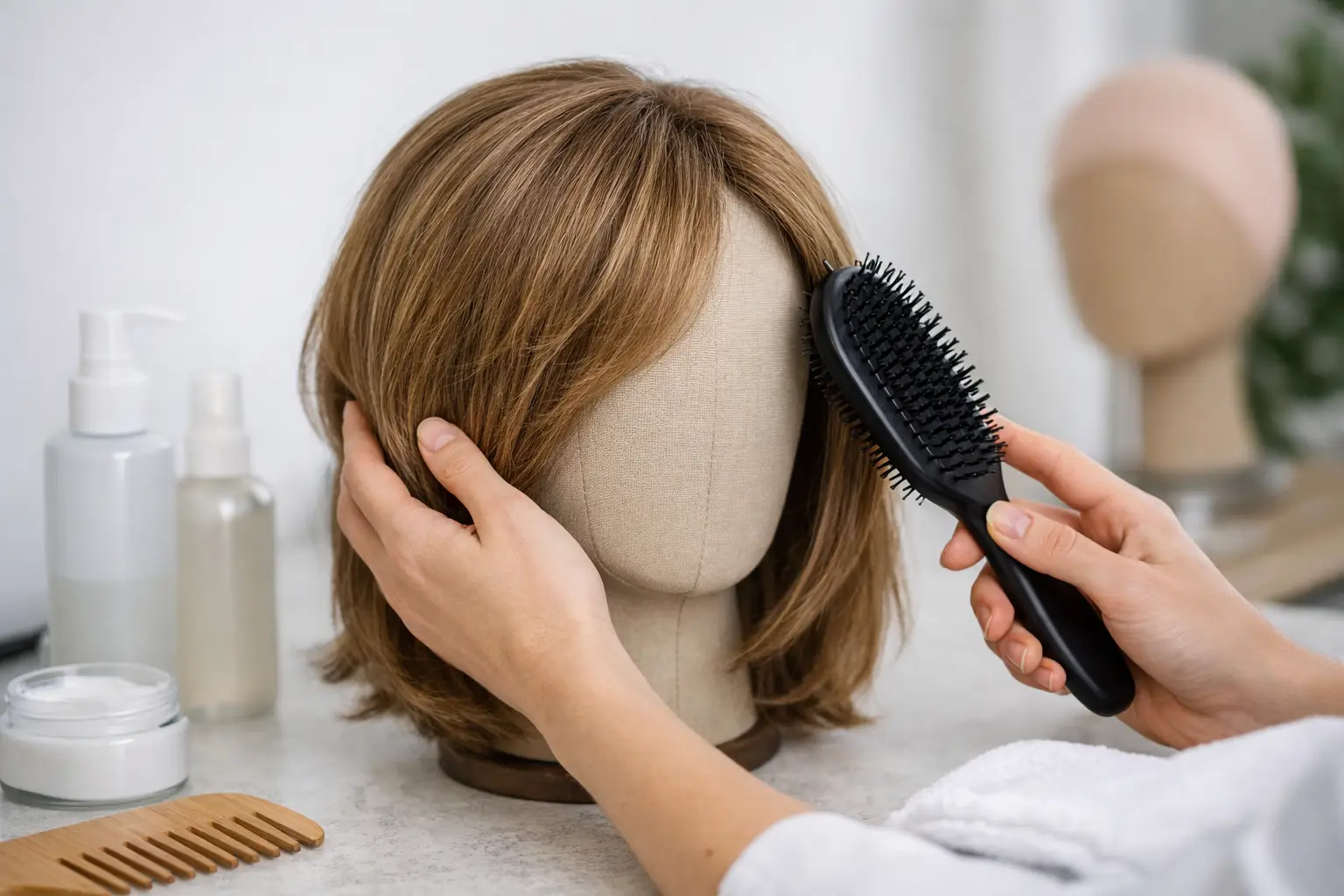
A medical wig can look beautifully natural on day one, but what keeps it that way is the care routine you follow after you bring it home. If you have been wondering how to care medical wig pieces without damaging the fibers, stretching the cap, or shortening its lifespan, the good news is that the right routine is usually simple. What matters most is being gentle, consistent, and realistic about what your wig needs based on how often you wear it.
Unlike a fashion wig that may be worn occasionally, a medical wig often becomes part of daily life. That changes how you should think about maintenance. Comfort, hygiene, scalp sensitivity, and a natural appearance all matter, especially if you are wearing the wig for long hours due to chemotherapy, alopecia, or another medical reason.
Why medical wig care needs a different approach
A medical wig is not just about style. It is often worn against a sensitive scalp, sometimes for full workdays, social events, exercise, and travel. Oils from the skin, sweat, skincare products, and friction from collars or pillowcases can build up faster than many people expect.
That is why learning how to care for a medical wig properly is about more than keeping it pretty. Proper care helps preserve softness, reduces tangling, supports cap hygiene, and keeps the wig sitting more comfortably on the head. It can also help you avoid unnecessary replacement costs.
The exact routine depends on whether your wig is synthetic or human hair. Synthetic wigs usually hold their style better and need less restyling, while human hair wigs offer more flexibility but often require more upkeep. Neither is automatically easier in every situation. It depends on your lifestyle, your budget, and how much daily styling you want to do.
How often should you wash a medical wig?
Most people do not need to wash a medical wig after every wear. In fact, over-washing can wear it out faster. A common guideline is every 6 to 10 wears for synthetic wigs and every 7 to 14 wears for human hair wigs. If you live in a humid climate, perspire more, or use scalp products regularly, you may need to wash it sooner.
The better indicator is not the calendar. It is how the wig feels. If the fibers start looking dull, the cap feels less fresh, or the wig loses movement, it is probably time for a wash.
Washing your medical wig the right way
Before washing, gently detangle the wig. Start at the ends and work upward with a wig brush or wide-tooth comb. Pulling from the roots down can create shedding or stretch the cap, especially when the fibers are damp.
Fill a basin with cool to lukewarm water. Hot water can affect the shape and texture of synthetic fibers, and it is not ideal for delicate cap construction either. Add a small amount of wig-safe shampoo and submerge the wig gently. Swish it lightly through the water rather than rubbing, twisting, or scrubbing.
Pay attention to the cap area because that is where oils and residue collect most. Still, be gentle. Medical wigs are designed for comfort, and rough handling can reduce that comfort over time.
Rinse thoroughly in cool water until the shampoo is gone. Then apply a wig-safe conditioner if it is suitable for your wig type. For synthetic wigs, conditioner is often best kept away from the roots and cap unless the product instructions say otherwise. For human hair wigs, conditioning the mid-lengths and ends is especially helpful because those areas tend to dry out first.
Drying without damaging the fibers
This is where many wigs lose shape unnecessarily. After washing, do not wring out the wig. Instead, blot it gently with a soft towel. Press out excess water without twisting the hair.
Place the wig on a wig stand to air dry. That helps air circulate through the cap and supports the shape while it dries. If you do not have a stand, use a clean, rounded surface that will not distort the base.
Avoid direct heat unless your wig is specifically heat-friendly and your provider has confirmed safe styling limits. Even then, less heat is better. With medical wigs, preserving the integrity of the hair fibers and cap matters more than chasing a particular style every day.
Daily habits that make a big difference
Good wig care is often about what you do between washes. At the end of the day, take a minute to brush the wig gently and remove any tangles before storing it. This is especially important around the nape, where friction from clothing causes matting.
Store the wig away from direct sunlight, steam, and heat. A wig stand is ideal for short-term daily storage, while a silk or satin bag can work well for travel. If you rotate between two wigs, each piece usually lasts longer because the fibers and cap get a break.
Be careful with everyday products around the wig. Perfume, hairspray, dry shampoo, and even some facial mists can leave residue or dry out the fibers. If you wear sunscreen or rich skincare near the hairline, clean buildup from the lace or front edge regularly so the wig continues to sit naturally.
How to manage tangling, frizz, and flattening
Even a high-quality medical wig can tangle over time. That does not always mean something is wrong. Longer lengths, collars, scarves, and humidity all increase friction.
If your wig tangles easily, detangle more often rather than more aggressively. Use short, careful strokes, starting at the ends. A wig-safe detangling spray may help, but use it sparingly. Too much product can weigh the hair down and make washing necessary sooner.
Frizz at the ends is common with synthetic wigs after regular wear. In some cases, this can be improved with professional maintenance. Flattening at the crown or parting can also happen with frequent use. A specialist can often refresh the style more safely than home experimentation.
Styling tips for comfort and longevity
The safest styling approach is usually the simplest one. Try not to restyle your wig more than necessary, especially if it is synthetic and already designed to hold its shape. Frequent brushing, teasing, and product use can shorten its lifespan.
If you have a human hair medical wig, use low heat and always apply a heat protectant approved for wigs. Keep in mind that human hair wigs can feel more familiar to style, but they are still processed hairpieces and need gentler handling than your natural hair would.
For many wearers, a trim by a wig professional makes maintenance easier. Soft face-framing layers or a manageable length can reduce tangling and daily effort. That matters when you want your wig to support your lifestyle, not complicate it.
How to care for a medical wig cap and scalp area
When people ask how to care for a medical wig, they often focus on the hair and forget the cap. The cap matters just as much, especially if your scalp is sensitive.
Make sure the cap is fully dry before wearing the wig again. A damp cap can feel uncomfortable and may contribute to odor or irritation. If you use wig liners, wash them regularly as well. Clean liners reduce oil transfer and can make the wig feel fresher between washes.
It is also worth checking the inside of the wig for adhesive residue, makeup transfer, or product buildup around the front edge. Keeping this area clean helps maintain a more natural hairline and a more secure fit.
When to get professional help
Some maintenance is better handled by a specialist. If the wig has lost its shape, the fibers feel rough no matter what you do, or the cap no longer fits comfortably, professional support can often restore more than you expect.
This is especially true for medical wig wearers who rely on the piece daily. A proper fit check, a refresh of the cut, or guidance on scalp-friendly care can make the wig feel new again. For clients balancing comfort, appearance, and privacy, specialist guidance removes a lot of guesswork. At HairSpec, this kind of personalized support is part of helping clients feel confident with solutions that fit real life, not just the first fitting.
Signs it may be time to replace your wig
Even excellent care cannot make a wig last forever. If the fibers remain matted after washing, the cap feels loose or misshapen, or the overall look no longer feels natural, replacement may be the better option. Trying to push a worn-out wig too far can become frustrating and less comfortable than starting fresh.
That does not mean you did anything wrong. Lifespan depends on material, wear frequency, climate, storage, and daily friction. A wig worn every day will naturally age faster than one used only a few times a week.
A medical wig does more than cover hair loss. It supports confidence, routine, and comfort during a deeply personal experience. Caring for it well is not about perfection. It is about protecting something that helps you feel like yourself, day after day.