

Hair thinning can feel especially frustrating when your hairline, parting, or crown no longer reflects how you want to look. For people researching mesotherapy hair loss Singapore options, the appeal is clear: a targeted, non-surgical treatment designed to support the scalp and follicles without the recovery associated with surgery. But the right question is not simply whether mesotherapy works. It is whether it is appropriate for your type, stage, and cause of hair loss.
Mesotherapy is not a replacement for a proper diagnosis or a guaranteed cure for baldness. It can be a useful part of a personalized plan for some people, particularly when it is paired with realistic expectations and a clear understanding of what the treatment can and cannot do.
What Is Mesotherapy for Hair Loss?
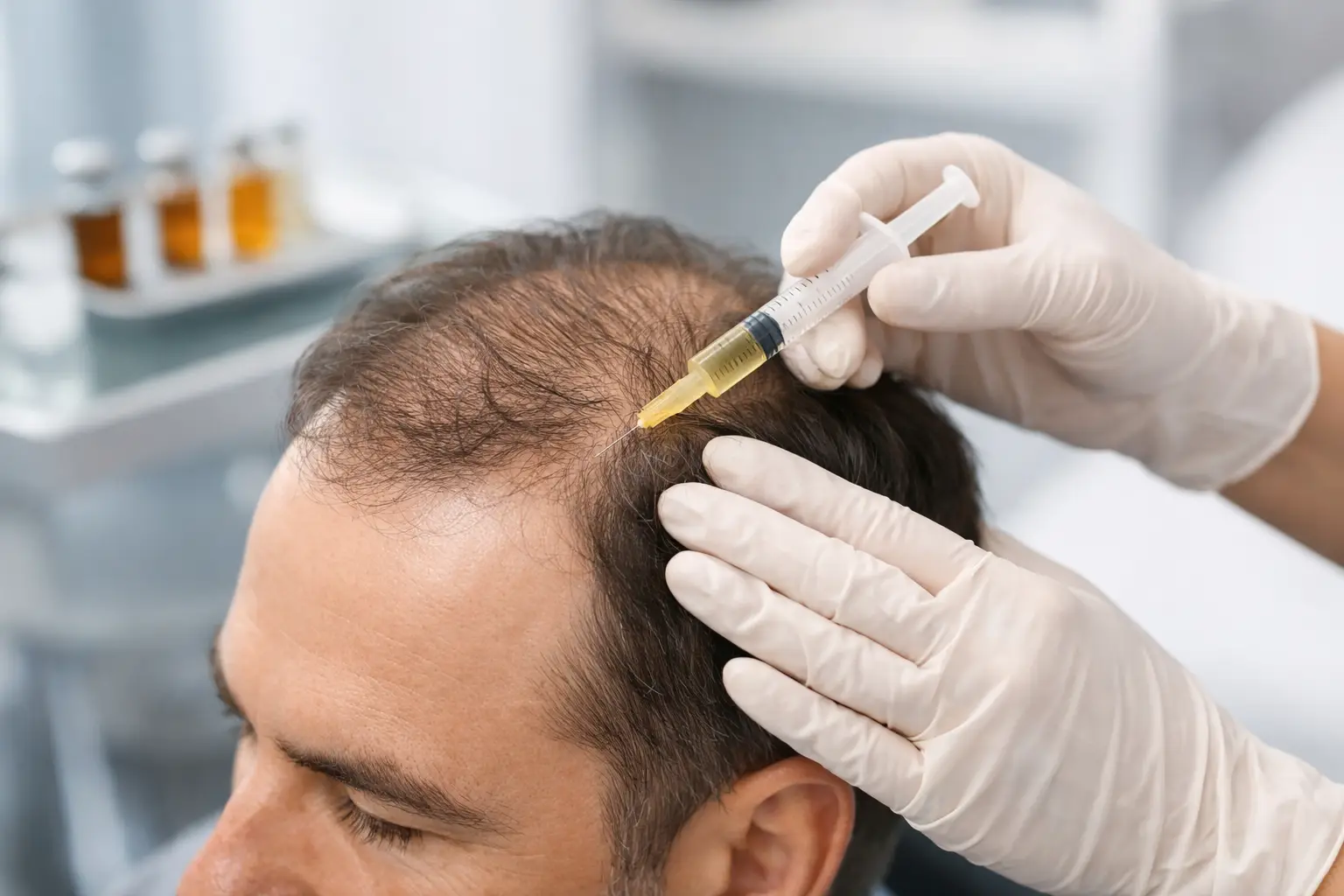
Mesotherapy for hair loss involves a series of very small injections placed into the scalp. The injectable formula may contain a tailored combination of nutrients, amino acids, peptides, vitamins, hyaluronic acid, or other hair-supporting ingredients. The goal is to deliver these substances closer to the hair follicle environment than topical products can typically reach.
Hair follicles depend on a healthy scalp environment, adequate circulation, and a stable growth cycle. When shedding increases or follicles gradually become smaller, hair may look finer and less dense over time. Mesotherapy is intended to support scalp condition and follicle activity, potentially helping to reduce excessive shedding and improve the appearance of thinning hair in suitable candidates.
The formula, injection technique, and treatment schedule should never be treated as one-size-fits-all. A person with early hereditary thinning has different needs from someone whose shedding began after stress, illness, hormonal changes, nutritional deficiency, or a scalp condition. That is why an assessment should come before treatment.
Who May Benefit From Mesotherapy Hair Loss Treatment in Singapore?
Mesotherapy may suit men and women with early-stage thinning, diffuse shedding, or reduced hair density who prefer a minimally invasive option. It is often considered by people who still have active follicles in the area of concern. When follicles are present but producing progressively finer hairs, supportive treatment may be more meaningful than it would be on a completely smooth, long-standing bald area.
It can also be considered as part of a broader hair restoration strategy. For example, a client may use mesotherapy alongside low-level laser therapy, scalp care, or medically guided hair loss treatment. Some people explore it before considering a hair transplant, while others use non-surgical hair replacement or scalp micropigmentation when they want immediate visual density as they address longer-term hair goals.
Mesotherapy is less likely to produce the outcome you want if the area has little remaining follicle activity, if scarring hair loss is suspected, or if an untreated medical issue is driving shedding. Sudden, patchy, painful, or inflamed hair loss needs medical evaluation rather than a cosmetic-first approach. The same applies to hair loss accompanied by fatigue, major weight change, menstrual changes, or other symptoms that may point to an underlying health concern.
What Happens During a Session?
A mesotherapy appointment begins with a review of your scalp, hair density, shedding pattern, medical history, and goals. Clear photographs or scalp imaging may be used to track changes over time. This baseline matters because hair growth is gradual, and it is easy to judge progress unfairly when you rely only on day-to-day mirror checks.
During the procedure, a trained practitioner administers multiple shallow injections across the thinning areas. The feeling is often described as brief pinching or mild stinging. Sensitivity varies by person and by scalp area, but sessions are generally quick, with minimal interruption to a working day.
Temporary redness, tenderness, pinpoint bleeding, mild swelling, or small bumps at injection sites can occur. These effects usually settle within a short period. Your provider may advise you to avoid vigorous exercise, heat exposure, swimming, hair coloring, or heavy scalp products for a limited time after treatment, depending on the protocol used.
Because injections break the skin barrier, hygiene and practitioner experience matter. Ask who will perform the treatment, what ingredients are being injected, how the formula is selected, and what aftercare is recommended. A reputable provider should be comfortable discussing these details plainly.
When Will You See Results?
Hair does not respond on the timeline of a facial treatment. The hair cycle moves slowly, so visible improvement, when it occurs, typically takes a number of months rather than a few days or weeks. Some people first notice less hair on the pillow, shower drain, or brush. Others see a gradual improvement in hair quality, thickness, or scalp coverage.
Results depend on the cause of hair loss, the condition of the follicles, consistency with the treatment plan, and whether other contributing factors are addressed. Treatment commonly involves an initial series of sessions followed by maintenance, but the frequency should be personalized. Promises of dramatic regrowth after one session should be treated with caution.
Evidence for mesotherapy in hair loss is still evolving, and studies have used different formulations and methods. That does not make the treatment without value, but it does mean an ethical consultation should avoid overpromising. The strongest plans are based on your actual scalp findings, not on a generic package.
Mesotherapy Compared With Other Hair Loss Options
The best option depends on whether your priority is reducing shedding, preserving existing hair, restoring visible coverage, or making a permanent change to the hairline.
Low-level laser therapy is non-invasive and may be a comfortable option for people who prefer no injections. It requires regular use and is generally most suitable for supporting existing follicles rather than recreating a lost hairline. Medically prescribed treatments can be effective for certain forms of pattern hair loss, although they require evaluation of suitability, side effects, and ongoing commitment.
A hair transplant moves healthy follicles into thinning or bald areas and can create long-lasting growth, but it is a surgical procedure with a higher financial commitment and recovery considerations. For immediate cosmetic density, non-surgical hair replacement, hair weaving, wigs, and toupees can deliver a natural-looking change without waiting for biological growth. Scalp micropigmentation creates the appearance of closely cropped hair or added density and can be especially helpful where donor hair is limited.
Mesotherapy occupies a different place. It is a supportive, minimally invasive treatment that may help preserve and improve the appearance of existing hair in appropriate cases. It does not create new follicles, and it is not the right answer for every pattern of hair loss.
Questions to Ask Before Starting
Before committing to mesotherapy, ask what your practitioner believes is causing your hair loss and how they reached that view. You should also understand the proposed ingredients, the expected number of sessions, likely costs over time, possible side effects, and what results would count as meaningful for your situation.
It is equally valuable to ask what happens if mesotherapy does not deliver enough improvement. A specialist who can discuss alternatives is better positioned to guide you than a provider offering only one treatment. At HairSpec, this broader perspective supports a more personal plan, whether the next step is scalp-focused treatment, visual enhancement, or a combination of both.
A Better Starting Point Than Guesswork
Hair loss is personal, but deciding what to do about it should not feel like a leap of faith. A detailed scalp assessment can clarify whether mesotherapy is a sensible option, what outcome is realistic, and which complementary treatments may protect your confidence while you work toward your hair goals.
The most reassuring plan is one that respects both the biology of your hair and the life you want to lead. Choose care that gives you clear answers, privacy, and options rather than pressure to pursue a single solution.