

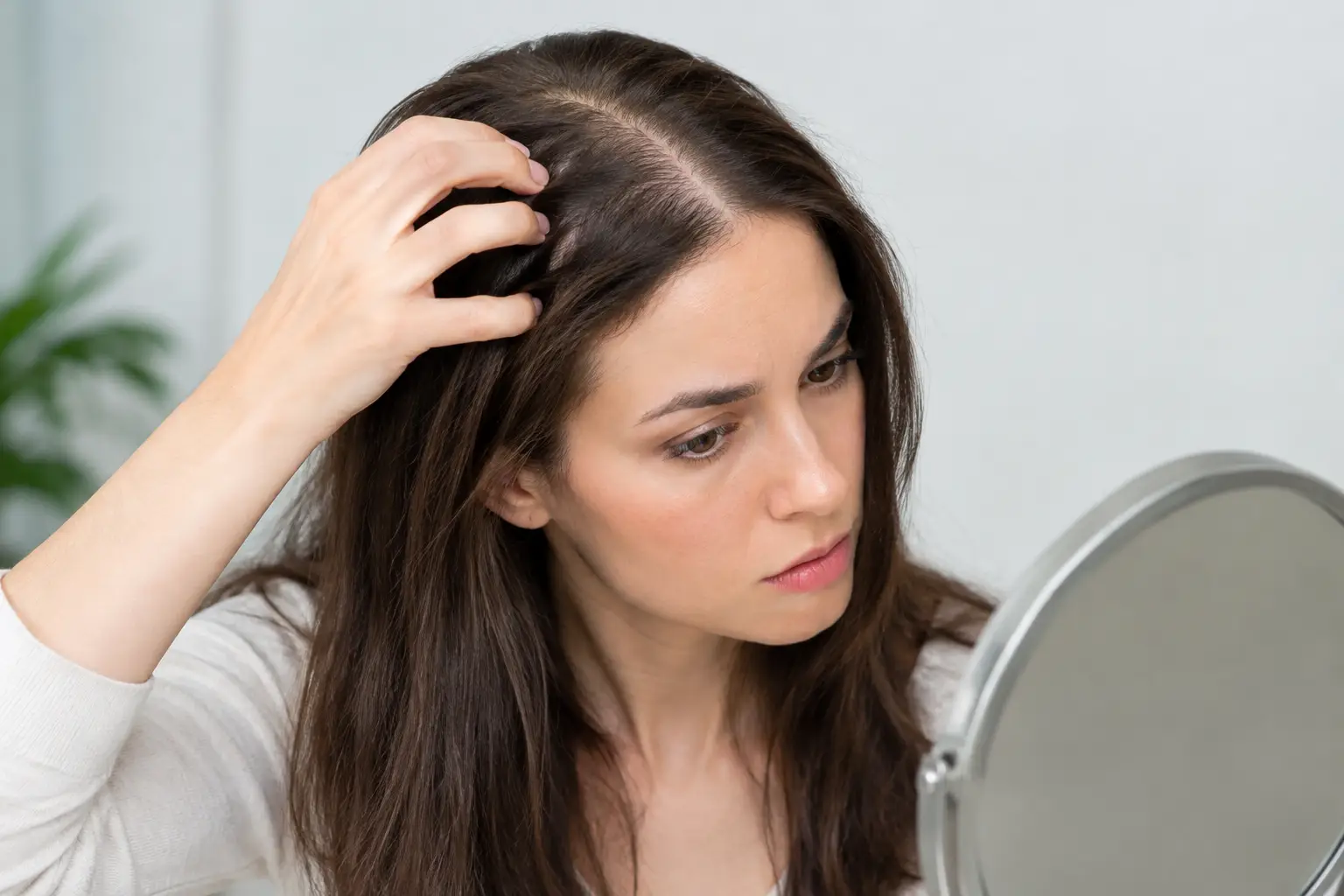
A widening part can feel easy to dismiss at first. You may change your hairstyle, buy a volumizing shampoo, or assume stress is to blame. But understanding female pattern hair loss can help you recognize when gradual thinning deserves a closer look – and when a tailored plan may help you regain the fuller, more confident appearance you want.
Female pattern hair loss is common, but it is rarely just a cosmetic concern. Hair can be closely tied to identity, confidence, and how comfortable you feel in professional and social settings. The good news is that early assessment creates more options, from treatments designed to support existing hair to non-surgical solutions that create natural-looking coverage without waiting for regrowth.
What Is Female Pattern Hair Loss?
Female pattern hair loss, also called female pattern baldness or androgenetic alopecia, is a progressive form of thinning driven by a mix of genetics, hormones, and follicle sensitivity. Rather than developing a distinct receding hairline or a single bald area, many women notice diffuse thinning through the top of the scalp.
The hair follicles gradually produce finer, shorter hairs. This process is called miniaturization. Over time, the scalp may become more visible, especially under bright lighting, after washing, or when the hair is parted.
The condition can begin at almost any adult age, though it often becomes more noticeable around menopause. It is not a sign that you have done anything wrong with your hair care routine. Tight styles, heat, bleaching, and harsh chemical services can damage the hair shaft or contribute to breakage, but they do not usually cause the underlying follicle changes associated with pattern loss.
Recognizing the Signs of Female Pattern Hair Loss
The changes are often gradual, which is why comparing your hair to old photographs can be more revealing than checking the mirror each day. A broader center part is one of the most familiar signs. You may also notice reduced volume at the crown, a ponytail that feels thinner, or more scalp showing through when your hair is wet.
Unlike sudden shedding, female pattern hair loss generally develops over months or years. Some people experience increased shedding as well, but the defining issue is a visible reduction in density and strand thickness over time.
Hair loss does not always follow one pattern. Some women thin mostly along the part line, while others have more even thinning across the crown. The frontal hairline is often preserved, although this is not true in every case. A professional scalp assessment can help distinguish pattern loss from other conditions that look similar but need a different response.
Why Does It Happen?
Genetics play a substantial role. If close relatives have experienced progressive thinning, your likelihood may be higher, though family history is not a guarantee. Hormonal shifts can also make a predisposition more visible, particularly after pregnancy, during perimenopause and menopause, or with conditions that affect androgen levels.
Female pattern hair loss may occur alongside thyroid disorders, iron deficiency, nutritional shortfalls, significant illness, or chronic stress, but these factors do not automatically explain every case of thinning. A temporary shedding condition called telogen effluvium can follow fever, surgery, rapid weight change, childbirth, or emotional stress. It can coexist with pattern loss, making the change seem sudden.
This is why self-diagnosis can be frustrating. The same complaint – “my hair is getting thinner” – can have several causes. A careful history, scalp examination, and, when appropriate, medical testing offer a more reliable starting point than guessing based on symptoms alone.
How a Proper Assessment Shapes Your Options
A hair loss consultation should look beyond the number of hairs in your brush. An experienced specialist evaluates where thinning appears, the condition of the scalp, hair caliber, density, styling habits, and your goals. They should also ask how quickly the change occurred and whether you have noticed symptoms such as itching, burning, flaking, irregular periods, fatigue, or new medication use.
If hair loss is abrupt, patchy, painful, or accompanied by scalp inflammation, seek medical evaluation promptly. These signs are less typical of female pattern hair loss and may point to an inflammatory scalp condition, autoimmune hair loss, infection, or another issue requiring medical care.
For gradual thinning, the right plan depends on whether your priority is slowing further change, encouraging growth, creating immediate coverage, or combining these goals. There is no single best choice for everyone. The most satisfying result is often one that respects your lifestyle, budget, timeline, and comfort with maintenance.
Treatment Paths for Female Pattern Hair Loss
Medical and restorative support
A physician may recommend medical therapies to support follicles and manage contributing factors. Topical minoxidil is commonly used for female pattern hair loss, but it requires consistency and can cause temporary early shedding or scalp irritation in some users. Prescription oral medications may be appropriate for certain patients, but suitability depends on medical history, hormone status, and pregnancy considerations.
Low-level laser therapy is a non-invasive option that may support hair growth for selected candidates. Results tend to be gradual, and regular sessions or home use are typically needed. Treatments such as mesotherapy may also be discussed in a broader plan, although outcomes can vary and should be considered with realistic expectations rather than as a guaranteed fix.
Immediate cosmetic density
When you want a visible change now, non-surgical hair replacement can offer substantial coverage without surgery. Modern systems can be customized for density, texture, color, parting, and lifestyle, making them a practical choice for diffuse thinning or advanced loss. The trade-off is ongoing maintenance, but for many people, the confidence of immediate, natural-looking hair is well worth it.
Scalp micropigmentation can reduce the contrast between the hair and scalp by creating the appearance of closely placed follicles or added shadow. It does not regrow hair, but it can make thinning areas look denser, especially when paired with existing hair or a short hairstyle. This approach needs an experienced practitioner because pigment placement, tone, and hairline design determine whether the result looks soft and believable.
Hair extensions and volumizing hairpieces may help when enough healthy hair remains to support them. However, they must be fitted carefully. Excess tension can worsen traction-related breakage, so a specialist should assess whether they are appropriate for your current hair and scalp condition.
Surgical options
Hair transplantation can be an option for selected women with stable hair loss and adequate donor density. It is not automatically suitable for diffuse thinning, particularly when the donor area is also affected. A thorough evaluation is essential to determine whether surgery can produce a worthwhile, natural-looking improvement and whether non-surgical support should be part of the long-term plan.
When to Take the Next Step
You do not need to wait until thinning becomes severe to seek guidance. Earlier assessment can clarify what is happening and may preserve more of the hair you have. It can also spare you months of trial-and-error spending on products that are not designed for your particular cause of hair loss.
At HairSpec, a private scalp assessment can help turn uncertainty into a practical plan, whether that means restorative support, advanced non-surgical coverage, or a combination of both. The aim is not to push one treatment, but to help you choose an approach that feels comfortable, looks natural, and fits your life.
Hair thinning can feel personal, but it does not have to be something you manage alone. A clear diagnosis and a realistic plan can give you more control over what comes next – and more confidence when you look in the mirror.