

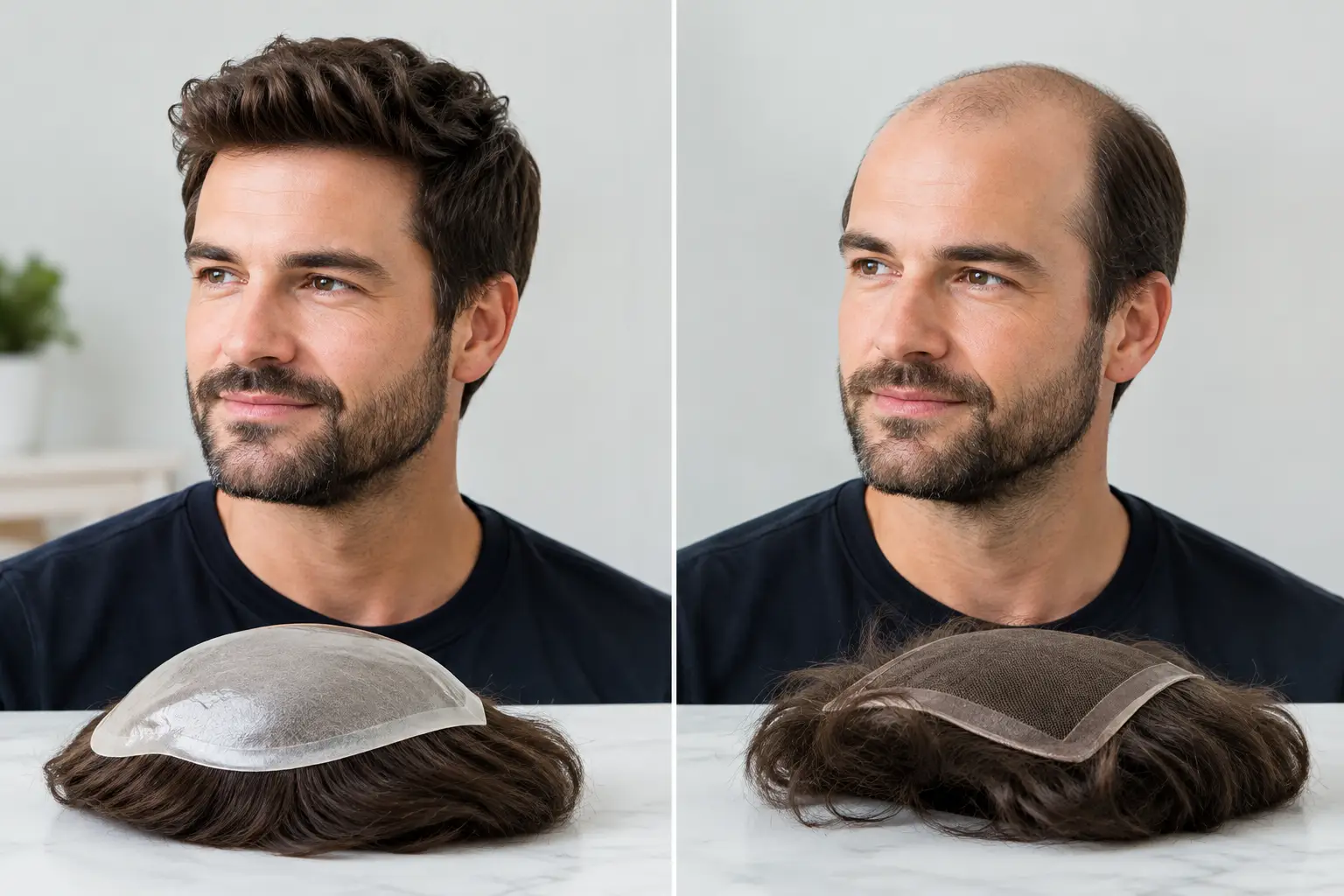
A hair replacement system should not feel like something you are constantly managing. It should let you walk into a meeting, exercise, stand under bright lighting, or look closely in the mirror with greater ease. In the discussion of Nanospec versus traditional hair systems, the real question is not which option is universally better. It is which one best suits your scalp, lifestyle, hair-loss pattern, and expectations for daily wear.
Both can create a fuller, more natural-looking result without surgery. The differences are often found in the details: the base material, how closely it sits against the scalp, the way hair is ventilated, the maintenance routine, and the level of customization required. A personal assessment matters because the same system can feel exceptionally comfortable on one person and less suitable on another.
What Is a Traditional Hair System?
Traditional hair systems are non-surgical hair replacement solutions designed to cover areas of thinning or hair loss. They may be made with a lace, skin, monofilament, or combination base, with human hair or synthetic fibers selected according to the desired result. A specialist can cut, color-match, style, and blend the system with existing hair for a natural finish.
The word traditional does not mean outdated. Many established hair systems use refined materials and skilled customization to deliver convincing density and movement. They remain a practical option for men and women who want immediate coverage, significant style flexibility, or a solution that can be adjusted around a changing hair-loss pattern.
Their strengths are often versatility and familiarity. A wider selection of base types can be helpful for clients with different scalp sensitivities, styling preferences, and attachment needs. Someone who prefers a particular balance of durability, breathability, or easy removal may find that a traditional system offers the right fit.
That said, the final result depends heavily on design and application. Density that is too high, a hairline that does not suit the face, or an attachment method that does not match the client’s routine can make even a high-quality system feel less natural. This is why consultation-led fitting is more valuable than choosing a solution from a catalog.
Nanospec Versus Traditional Hair Systems: The Key Difference
Nanospec hair replacement is designed around a more refined, close-to-scalp approach to non-surgical hair replacement. Depending on the individual design, it may prioritize a thinner, more discreet base and detailed hair placement to reduce visible bulk and create a natural transition at the hairline and parting.
In practical terms, Nanospec may appeal to clients who are highly focused on realism at close range. This can be especially relevant for professionals who spend time in well-lit settings, wear shorter hairstyles, or simply want to feel less aware of their hair system throughout the day.
Traditional systems can also look highly natural, particularly when they are expertly fitted. The difference is not as simple as natural versus unnatural. Rather, it is about how finely the system can be tailored to your desired appearance, wearing experience, and level of maintenance.
A thinner, more delicate system may offer a very subtle appearance but can require more careful handling. A more durable traditional base may be better suited to someone who works out frequently, needs a system built for regular wear, or wants a lower-maintenance option. The best choice is often a matter of priorities, not technology alone.
Appearance and Hairline Detail
For many people, the hairline is where confidence is won or lost. Nanospec systems are often selected by clients seeking an exceptionally discreet finish around the front hairline, temples, or visible parting. When density, direction, and color are properly customized, the effect can be soft and believable rather than overly uniform.
Traditional hair systems can achieve excellent results here as well, particularly with lace or finely designed hybrid bases. The key is choosing a hairline that reflects your age, facial proportions, existing hair, and natural growth pattern. A low, dense hairline may sound appealing, but a slightly mature or softened design can look more authentic and be easier to maintain over time.
Scalp Feel and Comfort
Comfort is personal. Some clients value a lightweight feel above all else, while others prioritize a base that is more resilient to repeated wear. Nanospec may feel less noticeable for those who prefer a close, refined fit, but suitability depends on scalp condition, perspiration, skin sensitivity, and attachment method.
Traditional systems give more options in this area. A breathable base may suit an active lifestyle, while a different material may be more appropriate for someone who removes and reattaches their system on a regular schedule. A scalp assessment can identify issues such as oiliness, irritation, flaking, or sensitivity before a system is recommended.
If you have an active scalp condition or sudden, unexplained hair loss, it is wise to seek appropriate medical guidance before proceeding with cosmetic hair replacement. A hair system can restore appearance, but it should not obscure a condition that needs treatment.
Durability and Maintenance
Every hair system needs care. This includes cleansing the scalp, following an appropriate attachment schedule, using suitable hair-care products, and returning for professional maintenance when needed. The more realistic and delicate the base, the more important careful handling becomes.
Nanospec may be ideal for someone prepared to follow a precise aftercare routine in exchange for a highly discreet result. Traditional systems may provide more latitude for clients who want a sturdier design or who prefer to balance natural appearance with easier day-to-day handling.
Maintenance is also influenced by lifestyle. Swimming, frequent gym sessions, humid weather, helmet use, and regular travel can all affect attachment longevity and scalp comfort. There is no advantage in choosing the finest-looking system if its upkeep does not fit your actual routine. A system should support your life, not create another source of pressure.
Who May Prefer Nanospec Hair Replacement?
Nanospec can be a strong option for clients who want a refined, natural-looking result and are willing to prioritize detailed fitting and ongoing care. It may suit people with visible thinning at the hairline or crown, those who want a lightweight feel, and anyone whose work or social life makes discretion especially important.
It may also appeal to clients who have tried a generic wig or hairpiece and found it too bulky, too dense, or difficult to blend. A more personalized system can make a meaningful difference in how natural the hair looks and how confidently it is worn.
However, Nanospec is not automatically the answer for every stage or type of hair loss. Extensive hair loss, changing density, scalp sensitivity, budget considerations, and preferred hairstyle all influence what is practical. In some cases, a traditional system, scalp micropigmentation, low-level laser therapy, medical wig, or a combination approach may better address the client’s goals.
Choosing the Right System Starts With Your Scalp
The most useful consultation does more than show before-and-after images. It examines your scalp, existing hair, lifestyle, desired hairstyle, and maintenance expectations. It also gives you space to be honest about what has not worked before, whether that is shedding, discomfort, visible edges, inconvenient upkeep, or fear that the result will look artificial.
At HairSpec, this process begins with a free scalp assessment so recommendations can be based on your needs rather than a one-size-fits-all system. An experienced specialist can help determine whether Nanospec, a traditional hair system, or another non-surgical solution offers the right balance of realism, comfort, and practicality.
Hair loss can make even simple moments feel more exposed. The right next step is not to chase the newest option or settle for the most familiar one. It is to choose a solution that feels credible in the mirror, comfortable on your scalp, and realistic for the life you lead.