

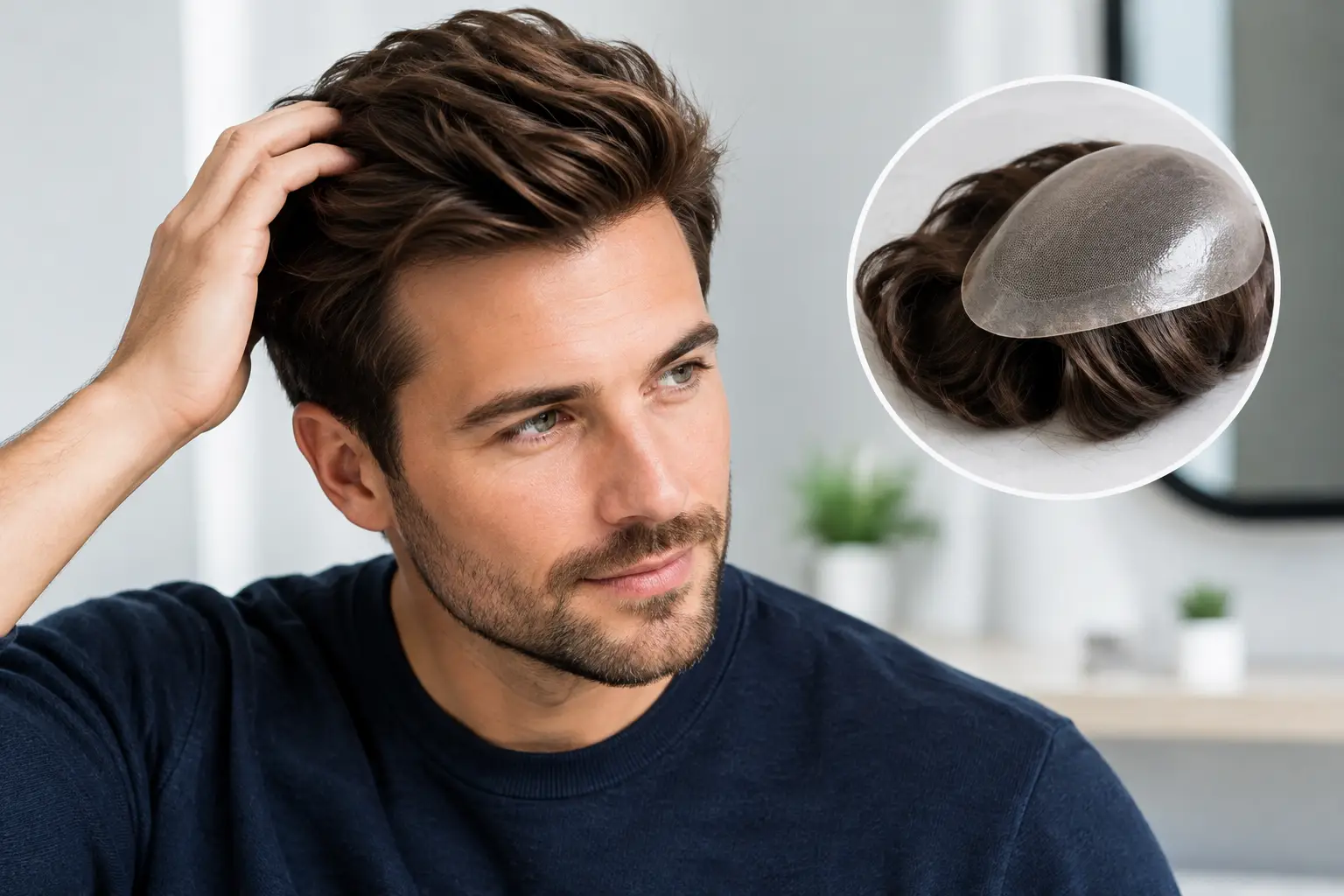
A hair system should not feel like a compromise between looking good and living normally. The most meaningful hair system innovations are changing that expectation, with lighter bases, more realistic hairlines, better color matching, and attachment methods designed around daily comfort. For people managing thinning hair or more advanced hair loss, this means a natural-looking result can be achieved without waiting for surgical growth or accepting a generic wig-like appearance.
Modern non-surgical hair replacement is no longer about placing hair on the scalp and hoping it blends. It is a highly personalized process that considers scalp condition, lifestyle, desired density, facial proportions, and how much maintenance feels realistic. The technology matters, but so does the specialist who adapts it to the person wearing it.
Hair System Innovations Start With Better Materials
The base is the foundation of a hair system. It affects how natural the system looks, how it feels against the scalp, how breathable it is, and which attachment approach may be suitable. Today’s options are significantly more refined than the heavier constructions many people remember.
Ultra-thin skin bases can create the appearance of hair growing directly from the scalp, particularly along a carefully designed front hairline. They are often a strong choice for clients who want a close, clean finish and a highly natural visual effect. The trade-off is that very thin materials may require more delicate handling and may not last as long as a more durable option.
Lace bases remain valued for their breathability and their ability to create a soft, diffused hairline. Fine lace can be especially helpful in Singapore’s humid climate or for people who exercise regularly and prioritize airflow. Because lace is delicate, it benefits from professional fitting, careful cleansing, and the right attachment products.
Hybrid systems combine materials in different zones. For example, a lace front may support a realistic hairline while a stronger material through the center or perimeter provides added durability. This approach is useful when a client wants natural detail where it is most visible but also needs a system that suits an active schedule.
The best material is not automatically the thinnest or the most advanced on paper. It is the one that works with your scalp, your preferred hairstyle, and the level of upkeep you can comfortably maintain.
More Realistic Hairlines and Density
A natural hair system is defined by small details. Modern systems can be customized with graduated density, where the hairline is slightly lighter and density builds gradually behind it. This avoids the overly uniform look that can make replacement hair noticeable.
Hair direction is equally important. A skilled fitting considers the way your own hair grows, including crown patterns, side partings, and the movement needed for a preferred style. Someone who wears their hair swept back needs a different front hairline design from someone who prefers a textured fringe.
Color matching has also become more sophisticated. Rather than selecting one flat shade, specialists can blend multiple tones to reflect natural variation, warmth, gray coverage, and the effect of light on hair. This is particularly valuable when integrating a system with existing hair around the sides and back.
Texture matters just as much as color. Straight, wavy, curly, fine, and coarse hair each catch light and move differently. A system that has the right color but the wrong texture may still look out of place. Personalization should account for both the visual match and how the hair behaves when you move.
Why a Conservative Design Often Looks Best
It can be tempting to request the thickest possible result or the lowest, sharpest hairline. Yet a natural-looking outcome often comes from restraint. Age, facial structure, existing hair, and long-term styling goals should guide density and hairline placement.
A good consultation should not simply agree with every reference photo. It should explain what will blend well today and remain believable as your preferences or natural hair change over time.
Attachment Technology Is About Comfort and Control
Hair systems can be attached using tapes, adhesives, clips, or a combination of methods. Each option offers different benefits, and the right choice depends on scalp sensitivity, activity level, desired wear time, and whether you want to remove the system independently.
Modern tapes and adhesives are formulated to provide a more discreet hold while supporting a flatter finish at the hairline. Some people prefer a longer-wear attachment because it simplifies their morning routine. Others value a removable system that allows them to clean their scalp and system more frequently at home.
There is no universal “best” hold. A strong adhesive may be convenient for one client and uncomfortable for another, particularly if they have sensitive skin, excessive perspiration, or certain scalp conditions. A professional assessment helps identify an approach that balances security with skin comfort.
The real innovation is choice. A well-planned hair system should give you control over your appearance without forcing you into a maintenance routine that does not suit your life.
Digital Customization Makes Fitting More Precise
A standard-sized hairpiece can cover an area of hair loss, but a customized system can better follow the contour of the scalp and integrate with the wearer’s existing hair. Digital imaging and precise measurements help specialists map the thinning area, determine the base shape, and plan the placement of the hairline and part.
This precision can improve comfort because the system is less likely to feel bulky or extend beyond the area that needs coverage. It can also make styling easier, since the system is designed around the client’s preferred direction and density rather than requiring the client to work around a pre-made shape.
Customization is especially relevant for uneven hair loss, crown thinning, receding temples, and clients who want a partial system rather than full coverage. The goal is not to make every person look the same. It is to create an outcome that feels credible and personal.
Hair System Innovations Work Best Within a Bigger Plan
Non-surgical hair replacement provides immediate cosmetic coverage, but it can also be part of a broader hair loss strategy. Some clients use a system while pursuing treatments intended to support their existing hair, such as low-level laser therapy, scalp-focused care, or medically guided treatment. Others may consider scalp micropigmentation to reduce contrast between the system and scalp, particularly if they favor a shorter style.
For people experiencing medical hair loss, the priority may be comfort, privacy, and a gentle fitting process. For someone with pattern thinning, the focus may be density, a natural hairline, and a plan that adapts if the surrounding hair changes. These are different needs, even if both clients are searching for fuller-looking hair.
Hair replacement should never be presented as the only answer. A trusted specialist will discuss the condition of your scalp, the stability of your hair loss, your budget, and the results you hope to see. In some cases, a hair system is the ideal solution. In others, it may work better alongside restorative treatment or as a temporary option while you explore longer-term choices.
Choosing a Modern Hair System With Confidence
Before choosing a system, focus on the practical questions that determine whether you will enjoy wearing it. Consider how often you exercise, whether you swim, how much time you want to spend on maintenance, whether you need to wear your hairline exposed, and how sensitive your scalp tends to be.
Ask to see how the system will be blended with your existing hair and what the maintenance schedule involves. You should understand when refitting is needed, how to wash the hair properly, and which styling habits could shorten the lifespan of the base. A realistic conversation about maintenance is a sign of quality care, not a reason to be discouraged.
At HairSpec, a free scalp assessment can help turn these questions into a tailored recommendation. With more than one treatment pathway available, the discussion can remain centered on what suits your hair loss pattern, comfort, and appearance goals rather than fitting you into a single service.
The most successful hair system is one you stop thinking about during the day. When the fit feels secure, the hairline suits your face, and the upkeep fits your routine, you can put your attention back where it belongs – on living with confidence.