

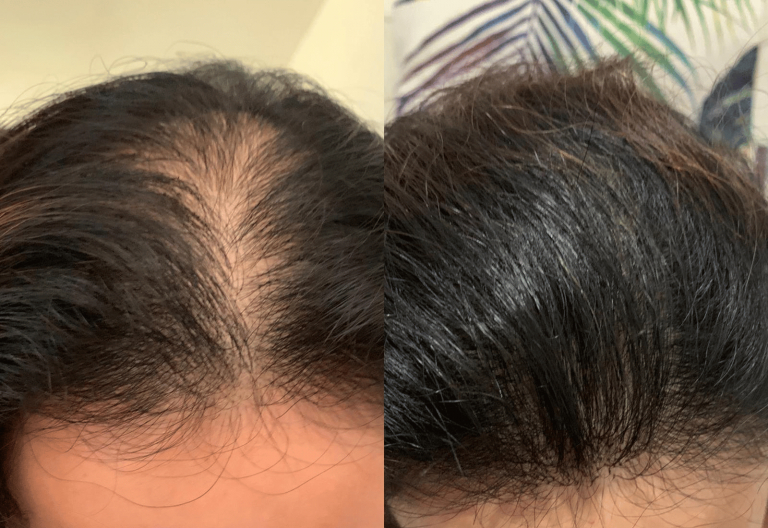
In the vibrant city-state of Singapore, where beauty standards are ever-evolving and personal care takes center stage, hair transplants have emerged as a beacon of hope for those battling hair loss. As we step into 2025, it’s essential to navigate the complexities surrounding the real cost of these transformative treatments. What should you expect when considering a hair transplant in this dynamic market? From the cutting-edge techniques that promise natural-looking results to the price tags that can leave you breathless, understanding the financial landscape is crucial. This comprehensive guide will unveil the hidden expenses, average pricing, and factors that influence the cost of hair transplants in Singapore. Whether you’re weighing your options or planning your next steps, our insights will empower you with the knowledge needed to make an informed decision on your journey to reclaiming your confidence and style. Let’s unlock the truth about hair transplants in Singapore!
Overview of Hair Transplant Techniques
Hair transplants have become an increasingly popular solution for those experiencing hair loss and seeking to rejuvenate their appearance. As we navigate through 2025, it’s vital to stay informed about the latest techniques that promise natural-looking results and minimal downtime. The most common methods include Follicular Unit Transplantation (FUT) and Follicular Unit Extraction (FUE), each with its distinct advantages and considerations.
FUT, also known as the strip method, involves removing a strip of scalp from the donor area, usually the back of the head, and dissecting it into individual follicular units. These units are then transplanted to the balding or thinning areas. This technique is known for its ability to cover larger areas in a single session, making it a preferred choice for those requiring extensive hair restoration. However, it does leave a linear scar, which can be a concern for some patients.
On the other hand, FUE involves extracting individual hair follicles directly from the donor area using a micro-punch tool. These follicles are then meticulously implanted into the recipient sites. FUE is favored for its minimally invasive nature, shorter recovery time, and the absence of a linear scar. This technique has gained popularity due to its precision and the natural appearance of the results. However, it often requires more time and effort, translating to higher costs compared to FUT.
In addition to these traditional methods, advancements in technology have introduced robotic-assisted hair transplants, such as ARTAS and NeoGraft systems. These automated devices enhance the precision and efficiency of the FUE process, reducing human error and ensuring consistency in follicle extraction and implantation. While these cutting-edge techniques come with a higher price tag, they offer unparalleled accuracy and a less invasive experience, making them a compelling option for those seeking optimal results.
Factors Influencing Hair Transplant Costs in Singapore
Several factors contribute to the overall cost of hair transplants in Singapore, and understanding these variables is crucial for making an informed decision. The complexity of the procedure, the expertise of the surgeon, the clinic’s reputation, and the number of grafts required are all pivotal elements that influence pricing.
One of the most significant determinants is the number of grafts needed to achieve the desired density and coverage. A higher number of grafts translates to a more extensive and time-consuming procedure, which naturally increases the cost. Clinics typically charge on a per-graft basis, so the total expense will vary depending on the extent of the hair loss and the patient’s goals.
The surgeon’s experience and reputation also play a crucial role in determining the cost of a hair transplant. Renowned surgeons with years of expertise and a track record of successful outcomes often command higher fees. Their skill and precision can significantly impact the quality of the results, making it a worthwhile investment for many patients. Additionally, the clinic’s location and facilities can affect pricing, with upscale establishments in prime areas generally charging more for their services.
Technological advancements and the adoption of state-of-the-art equipment can further influence the cost. Clinics that utilize the latest robotic-assisted systems or advanced FUE techniques may charge a premium due to the enhanced precision and reduced risk of complications. Moreover, the inclusion of supplementary services such as post-operative care, follow-up consultations, and complementary treatments like PRP therapy can add to the overall expense.
Lastly, the demand for hair transplants in Singapore’s competitive market can impact pricing. With a growing number of individuals seeking these procedures, some clinics may offer promotional packages or discounts to attract clients. However, it’s essential to prioritize quality and safety over cost savings, as opting for cheaper, inexperienced providers can lead to unsatisfactory results and additional corrective procedures.
Average Cost of Hair Transplants in 2025
As we delve into 2025, the average cost of hair transplants in Singapore has seen a steady rise, reflecting advancements in techniques and the growing demand for these procedures. On average, patients can expect to pay between SGD 6,000 to SGD 15,000 for a hair transplant, depending on various factors such as the method used, the clinic’s reputation, and the number of grafts required.
For Follicular Unit Transplantation (FUT), the cost typically ranges from SGD 6,000 to SGD 10,000. This method, being more traditional, often costs less compared to more advanced techniques. However, the final price can still vary based on the extent of the hair loss and the expertise of the surgeon. Despite its lower cost, FUT remains a viable option for those needing significant coverage and willing to accept a linear scar.
Follicular Unit Extraction (FUE), known for its minimally invasive nature and superior results, generally costs between SGD 8,000 to SGD 15,000. The higher price point is justified by the precision and meticulous effort involved in extracting and implanting individual follicles. The absence of a linear scar and the natural appearance of the results make FUE a preferred choice for many, despite the added expense.
For those opting for robotic-assisted hair transplants, such as ARTAS or NeoGraft, the costs can be even higher, ranging from SGD 10,000 to SGD 20,000. These automated systems offer enhanced accuracy and consistency, reducing the risk of human error and improving the overall outcome. While the investment is substantial, the benefits of a less invasive procedure and optimal results make it a compelling option for those seeking the best possible outcome.
It’s important to note that these figures represent average costs, and individual prices can vary based on specific circumstances and clinic policies. Patients should also consider additional expenses such as pre-operative consultations, post-operative care, and any supplementary treatments that may be recommended to enhance the results. Thorough research and consultations with reputable clinics are essential steps in understanding the full financial commitment involved in a hair transplant.
Comparing Hair Transplant Costs: Local vs. International Clinics
When considering a hair transplant, potential patients often weigh the option of undergoing the procedure locally in Singapore versus traveling to international clinics. While the allure of lower costs abroad can be tempting, several factors should be taken into account before making a decision.
Local clinics in Singapore like Hairspec offer the advantage of convenience and accessibility, allowing patients to undergo the procedure without the added stress of travel and accommodation expenses. The familiarity with local healthcare standards and the ability to visit the clinic for follow-up consultations and post-operative care are significant benefits. Additionally, Singapore’s stringent medical regulations ensure that clinics adhere to high standards of safety and quality, providing peace of mind to patients.
However, it’s no secret that hair transplants in Singapore can be relatively expensive compared to some international destinations. Countries such as Turkey, India, and Thailand have become popular hubs for medical tourism, offering hair transplant procedures at a fraction of the cost. For instance, a hair transplant in Turkey can cost as little as USD 2,000 to USD 5,000, significantly lower than the prices in Singapore. These savings can be attributed to lower operational costs, favorable exchange rates, and competitive pricing to attract international clients.
Despite the cost advantage, patients considering international options should be mindful of potential drawbacks. Traveling abroad for a medical procedure involves additional expenses such as airfare, accommodation, and travel insurance. The logistical challenges of coordinating appointments and follow-up care can also be daunting. Furthermore, the quality of care and expertise of surgeons can vary widely in different countries, making it crucial to thoroughly research and choose a reputable clinic with a proven track record.
Ultimately, the decision between local and international clinics depends on individual priorities and circumstances. While cost savings can be a significant factor, patients should prioritize the quality of care, the expertise of the surgeon, and the overall experience. Engaging in thorough research, seeking recommendations, and consulting with multiple clinics can help ensure that the chosen option aligns with the patient’s goals and expectations.
Financing Options for Hair Transplants
The cost of a hair transplant can be a substantial investment, and for many individuals, financing options can make the procedure more accessible and manageable. Several avenues are available to help patients finance their hair transplant, allowing them to achieve their desired results without compromising their financial stability.
One common financing option is medical loans, offered by banks and financial institutions specifically for healthcare expenses. These loans typically come with flexible repayment terms and competitive interest rates, making it easier for patients to spread the cost of their hair transplant over a period of time. Some clinics may have partnerships with financial institutions, offering tailored loan packages to their patients. It’s essential to carefully review the terms and conditions, including interest rates, repayment schedules, and any associated fees, before committing to a medical loan.
Another option is to utilize credit cards, which can provide immediate access to funds for the procedure. Many credit card companies offer promotional interest rates, reward points, and installment plans that can help manage the cost effectively. However, it’s crucial to be mindful of the interest rates and ensure that the repayment plan aligns with the patient’s budget. Accumulating high-interest debt can lead to financial strain, so it’s advisable to use credit cards judiciously and explore other financing options if needed.
Some clinics offer in-house financing plans, allowing patients to pay for their hair transplant in installments directly to the clinic. These plans may come with little to no interest, making them an attractive option for those seeking a more flexible payment arrangement. Patients should inquire about the specific terms of the in-house financing plan, including the duration, installment amounts, and any potential penalties for late payments.
Insurance coverage for hair transplants is generally limited, as most insurance policies consider the procedure to be cosmetic rather than medically necessary. However, in cases where the hair loss is due to a medical condition or injury, some insurance providers may cover a portion of the cost. Patients should consult with their insurance company to understand the extent of coverage and any documentation required to support their claim.
Ultimately, the choice of financing option depends on individual preferences and financial circumstances. It’s essential to explore all available options, compare the costs and benefits, and choose a plan that aligns with the patient’s financial goals and comfort level. Proper financial planning can make the journey to restoring one’s confidence and style more attainable and stress-free.
Potential Additional Costs to Consider
While the primary cost of the hair transplant procedure is a significant consideration, it’s essential to be aware of potential additional expenses that may arise throughout the process. These supplementary costs can impact the overall financial commitment, and being prepared can help patients avoid unexpected financial strain.
Pre-operative consultations and assessments are typically the first step in the hair transplant journey. These initial appointments involve a thorough evaluation of the patient’s hair loss condition, medical history, and treatment goals. While some clinics offer complimentary consultations, others may charge a fee for these services. The cost of these assessments can vary, so it’s advisable to inquire about any charges upfront.
Post-operative care is another critical aspect that can incur additional costs. After the hair transplant procedure, patients are required to follow a specific regimen to ensure optimal healing and the best possible outcome. This may include prescribed medications, topical treatments, and follow-up appointments to monitor progress and address any concerns. The cost of post-operative care can vary depending on the clinic’s policies and the patient’s individual needs.
Supplementary treatments, such as Platelet-Rich Plasma (PRP) therapy, are often recommended to enhance the results of a hair transplant. PRP therapy involves injecting the patient’s plasma, enriched with growth factors, into the scalp to stimulate hair growth and improve the survival of transplanted follicles. While PRP therapy can significantly improve the overall outcome, it comes with its own set of costs. Patients should discuss the potential benefits and expenses of supplementary treatments with their surgeon to make an informed decision.
In some cases, patients may require additional hair transplant sessions to achieve their desired density and coverage. The need for multiple sessions can arise due to the extent of hair loss, the patient’s response to the initial procedure, or evolving aesthetic goals. Each additional session incurs its own set of costs, so it’s important to consider this possibility when planning the overall budget for hair restoration.
Travel and accommodation expenses can also add to the overall cost, especially for patients traveling from abroad or those residing far from the chosen clinic. These expenses include transportation, lodging, and meals during the pre-operative and post-operative periods. Planning and budgeting for these costs in advance can help ensure a smooth and stress-free experience.
By considering these potential additional costs, patients can better prepare for the financial aspects of their hair transplant journey. Thorough research, clear communication with the clinic, and careful financial planning are essential steps in ensuring a successful and manageable hair restoration process.
The Importance of Choosing the Right Clinic
Selecting the right clinic for a hair transplant is a crucial decision that can significantly impact the outcome and overall experience. With numerous clinics offering hair restoration services, it’s essential to prioritize quality, expertise, and patient satisfaction over cost alone. Thorough research and careful consideration can help patients make an informed choice and achieve the best possible results.
The reputation and experience of the surgeon are paramount factors to consider when choosing a clinic. A highly skilled and experienced surgeon with a proven track record of successful hair transplants can provide the expertise and precision needed for optimal results. Patients should review the surgeon’s credentials, including their training, certifications, and years of experience in performing hair transplants. Additionally, seeking patient testimonials and before-and-after photos can offer valuable insights into the surgeon’s capabilities and the quality of their work.
The clinic’s facilities and technology also play a significant role in the overall experience and outcome. State-of-the-art equipment and advanced techniques, such as robotic-assisted hair transplants, can enhance precision, efficiency, and patient comfort. Clinics that invest in the latest technology and maintain high standards of cleanliness and safety are more likely to deliver superior results. Patients should inquire about the specific techniques and equipment used by the clinic and ensure that they align with their treatment goals.
Personalized care and patient support are essential aspects of a positive hair transplant experience. Clinics that prioritize individualized treatment plans, clear communication, and comprehensive post-operative care can significantly enhance patient satisfaction. The ability to address patient concerns, provide detailed information about the procedure, and offer ongoing support throughout the recovery process are indicators of a patient-centric approach. Patients should seek clinics that demonstrate a commitment to their well-being and are responsive to their needs.
Transparency in pricing and policies is another critical consideration when choosing a clinic. Reputable clinics provide clear and detailed information about the cost of the procedure, including any potential additional expenses. Patients should avoid clinics that offer extremely low prices, as these may indicate compromised quality or hidden fees. A transparent and honest approach to pricing ensures that patients can make informed decisions and avoid unexpected financial burdens.
Ultimately, the choice of clinic can significantly influence the success and satisfaction of a hair transplant. By prioritizing quality, expertise, and patient-centric care, individuals can enhance their chances of achieving natural-looking and long-lasting results. Thorough research, consultations with multiple clinics, and careful consideration of all factors can help patients make the best choice for their hair restoration journey.
Frequently Asked Questions
What is the average cost of a hair transplant in Singapore in 2025?
The average cost of a hair transplant in Singapore in 2025 ranges from SGD 6,000 to SGD 15,000. The final price depends on various factors such as the technique used (FUT or FUE), the number of grafts required, the surgeon’s expertise, and the clinic’s reputation.
Are there any financing options available for hair transplants?
Yes, several financing options are available for hair transplants, including medical loans, credit cards, and in-house financing plans offered by some clinics. These options allow patients to spread the cost over time, making the procedure more accessible and manageable.
Do insurance policies cover the cost of hair transplants?
Most insurance policies consider hair transplants to be cosmetic procedures and do not cover the cost. However, in cases where hair loss is due to a medical condition or injury, some insurance providers may offer partial coverage. Patients should consult with their insurance company to understand the extent of coverage.
What potential additional costs should I consider when planning a hair transplant?
In addition to the primary cost of the hair transplant procedure, potential additional expenses include pre-operative consultations, post-operative care, supplementary treatments such as PRP therapy, and the possibility of needing multiple sessions. Travel and accommodation expenses may also apply, especially for patients traveling from abroad.
How can I choose the right clinic for my hair transplant?
Choosing the right clinic involves considering several factors, including the surgeon’s experience and reputation, the clinic’s facilities and technology, personalized care and patient support, and transparency in pricing. Thorough research, consultations with multiple clinics, and reviewing patient testimonials can help patients make an informed decision.
What are the differences between FUT and FUE techniques?
FUT (Follicular Unit Transplantation) involves removing a strip of scalp from the donor area and dissecting it into individual follicular units for transplantation. It is known for its ability to cover larger areas but leaves a linear scar. FUE (Follicular Unit Extraction) involves extracting individual hair follicles directly from the donor area using a micro-punch tool. It is minimally invasive, leaves no linear scar, and offers natural-looking results but typically comes at a higher cost.
Are robotic-assisted hair transplants worth the higher cost?
Robotic-assisted hair transplants, such as ARTAS and NeoGraft systems, offer enhanced precision, efficiency, and consistency in follicle extraction and implantation. While they come with a higher price tag, the benefits of reduced human error, less invasive procedures, and optimal results make them a compelling option for many patients.
Can I travel abroad for a cheaper hair transplant?
Traveling abroad for a hair transplant can offer significant cost savings, with countries like Turkey, India, and Thailand being popular destinations. However, patients should consider additional expenses such as travel, accommodation, and follow-up care logistics. Thorough research and choosing a reputable clinic with a proven track record are essential to ensure a successful outcome.
What should I expect during the recovery period after a hair transplant?
The recovery period after a hair transplant involves following a specific regimen to ensure optimal healing. Patients may experience mild swelling, redness, and scabbing in the treated areas. It’s crucial to follow the post-operative care instructions provided by the surgeon, attend follow-up appointments, and use prescribed medications and topical treatments to support the recovery process.
How long do the results of a hair transplant last?
The results of a hair transplant are generally long-lasting, with transplanted hair follicles continuing to grow for a lifetime. However, individual results may vary, and factors such as the patient’s age, hair loss pattern, and adherence to post-operative care can influence the longevity of the results. Regular follow-up appointments and supplementary treatments, if recommended, can help maintain and enhance the outcome.
Conclusion and Final Thoughts on Hair Transplant Investment
Investing in a hair transplant is a significant decision that involves careful consideration of various factors, including the cost, technique, clinic, and surgeon’s expertise. As we navigate through 2025, the advancements in hair transplant technology and the growing demand for these procedures have shaped a dynamic and competitive market in Singapore. Understanding the financial landscape and potential additional costs is crucial for making an informed decision and ensuring a successful hair restoration journey.
The choice of technique, whether FUT or FUE, and the potential benefits of robotic-assisted transplants play a significant role in determining the overall cost and outcome. Patients should prioritize the quality of care, the expertise of the surgeon, and the clinic’s reputation over cost alone. Thorough research, consultations with multiple clinics, and careful financial planning are essential steps in achieving the best possible results.