

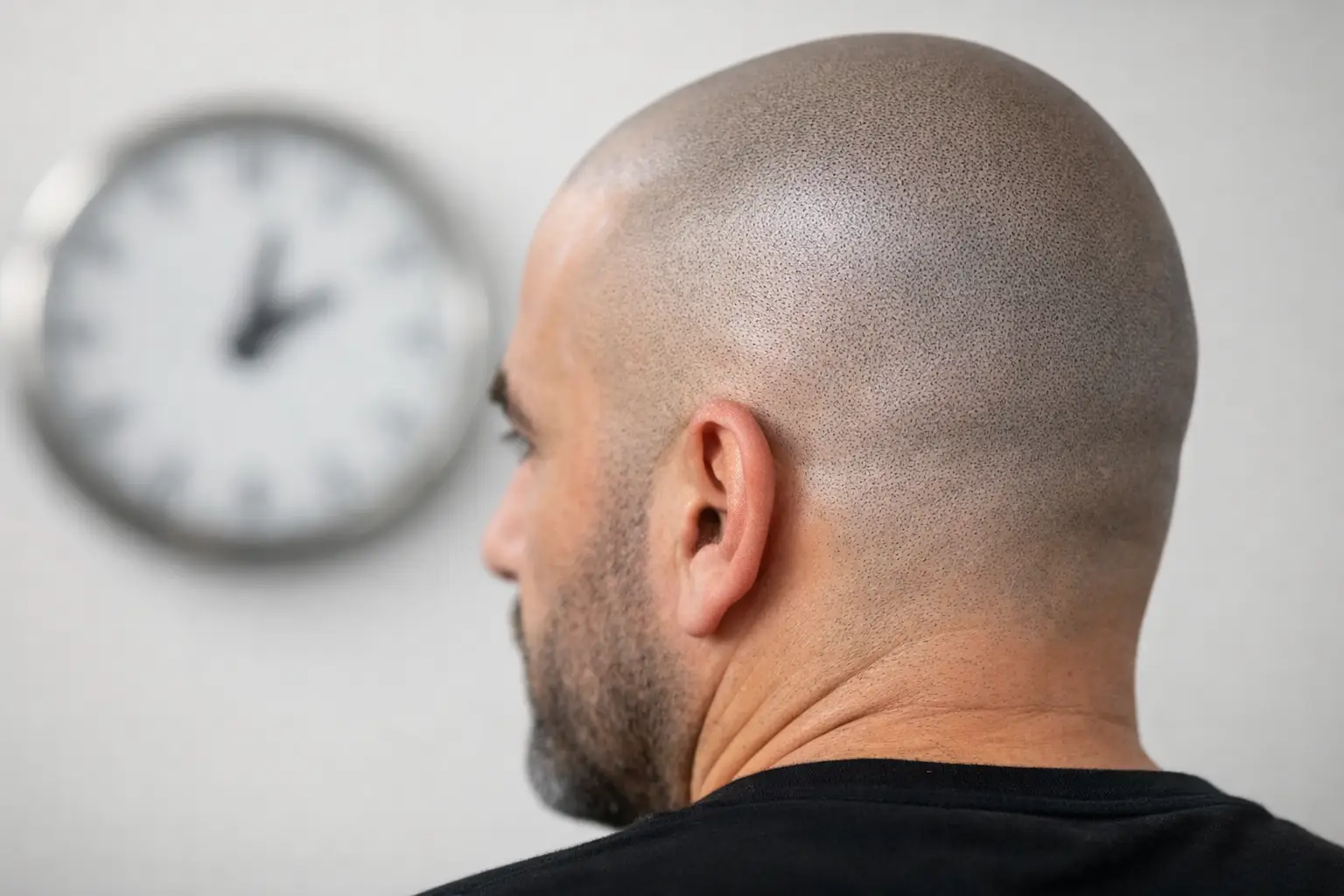
A common question in consultation rooms is simple and completely reasonable: how long does scalp micropigmentation last if you want it to keep looking sharp, natural, and believable over time? When you are choosing a cosmetic solution for hair loss, longevity matters just as much as appearance. You want to know whether you are committing to something high maintenance or investing in a result that can hold up well with the right care.
The short answer is that scalp micropigmentation usually lasts several years before a touch-up is needed. For many people, the look stays strong for around four to six years, and sometimes longer, depending on skin type, lifestyle, sun exposure, and how the treatment was done in the first place. That said, scalp micropigmentation is not completely permanent in the way a tattoo is often assumed to be. It is designed to fade gradually and naturally, which is part of what makes it such a flexible option.
How long does scalp micropigmentation last in real life?
In real-world terms, most clients can expect scalp micropigmentation to remain visibly effective for years, not months. The immediate post-treatment result will soften slightly as the skin heals, then settle into a more natural finish. After that, the pigment usually fades very gradually.
This timeline is good news for people who want a low-maintenance hair loss solution. You are not dealing with daily application, frequent replacement, or major upkeep. At the same time, it is helpful to understand that longevity is not identical for everyone. Two people can have the same treatment and see different fading patterns based on how their skin holds pigment and how they care for their scalp afterward.
For clients with oily skin, faster cell turnover, or heavy sun exposure, touch-ups may be needed sooner. For others with balanced skin and consistent aftercare, the result may stay crisp for longer. The goal is not for the pigment to stay frozen forever. The goal is for it to age naturally and remain easy to refresh.
Why scalp micropigmentation fades over time
Scalp micropigmentation works by placing specialized pigment into the upper layers of the skin to replicate the look of shaved hair follicles or create the impression of greater density. Because the pigment placement, technique, and formulation differ from traditional body tattooing, the fading process is also different.
A controlled degree of fading is expected. In fact, that is often preferable. Hairlines change, face shape changes, and style preferences can shift over the years. A treatment that softens gradually allows for refinements instead of locking you into one look permanently.
Fading tends to happen because of natural skin exfoliation, UV exposure, oil production, immune response, and the simple passage of time. This does not usually mean the pigment suddenly disappears. More often, the impression becomes lighter and less defined, which is when a touch-up can restore depth and balance.
The biggest factors that affect longevity
Skin type is one of the most important variables. Oily skin can break down pigment appearance faster, especially in areas where retention is already more challenging. Dry to normal skin often holds the visual result more predictably.
Sun exposure is another major factor. UV rays can accelerate fading and affect the clarity of the impressions. This matters in sunny climates and for anyone who spends a lot of time outdoors, exercises outside, or prefers a shaved scalp without regular head covering.
The quality of the original treatment also matters more than many people realize. Proper pigment choice, depth control, spacing, and hairline design all influence how well the result ages. Poorly performed work may blur, shift in tone, or fade unevenly, while expertly placed pigment tends to soften in a much more natural way.
Your aftercare routine plays a role too. Following healing instructions carefully, avoiding early irritation, and protecting the scalp long term can make a noticeable difference in how long the treatment keeps its intended look.
How long does scalp micropigmentation last before a touch-up?
Most clients do not need frequent maintenance, but touch-ups are a normal part of the long-term plan. A refresh is commonly recommended every few years, often around the four-year mark, though some people return sooner and others wait longer.
A touch-up is usually far less involved than the initial series of sessions. It is there to restore contrast, sharpen definition, or make small adjustments if your hair loss pattern has changed. For example, someone who originally had mild thinning may later want extra density work in new sparse areas. Another person may simply want to deepen a slightly faded hairline.
This is one of the practical advantages of scalp micropigmentation. It is durable, but still adaptable. You are not forced into a major repeat process unless there is a clear reason to do so.
What the healing phase means for long-term results
Many people judge the longevity of scalp micropigmentation too early. Right after treatment, the impressions often look darker and more noticeable. During healing, some of that intensity softens. This is normal and does not mean the treatment is fading prematurely.
The real settled result becomes clearer after the scalp has had time to recover across the full treatment plan. Scalp micropigmentation is usually built over multiple sessions for a reason. It allows the practitioner to layer pigment carefully, assess retention, and create a realistic finish rather than an overdone one.
When this process is rushed or overpacked, the result may not age as well. A natural-looking finish usually comes from patience, precision, and a treatment plan tailored to your scalp, skin, and level of hair loss.
Is scalp micropigmentation permanent or semi-permanent?
The most accurate answer is that scalp micropigmentation is long-lasting but not truly permanent in the way many clients imagine. It sits in a space between temporary camouflage and traditional tattoo permanence.
That distinction matters. If you want a solution that offers stability without feeling irreversible, scalp micropigmentation can be appealing. It gives the appearance of a fuller hairline, denser scalp coverage, or a cleaner shaved-head look, while still allowing updates over time.
For clients who value control, this is often a strength rather than a drawback. Your appearance is not static, and hair restoration planning should leave room for change.
How to make scalp micropigmentation last longer
Good treatment starts the process, but smart maintenance protects the investment. Keeping the scalp moisturized, avoiding harsh exfoliating products, and limiting prolonged UV exposure all help preserve the clarity of the pigment.
Sunscreen is especially important once the scalp is fully healed. If you keep your hair very short or shaved, your scalp is constantly exposed, and that can speed up fading. Wearing a hat during peak sun hours also helps.
It is also wise to avoid assuming that all scalp products are harmless. Strong acids, aggressive scrubs, or irritating treatments can affect skin turnover and make the scalp less stable over time. If you are combining scalp micropigmentation with other hair loss services, the timing and compatibility of those treatments should be planned properly.
A specialist consultation is valuable here because maintenance is not one-size-fits-all. A client with active thinning, sensitive skin, or a history of scalp conditions may need a slightly different long-term approach than someone using scalp micropigmentation purely for a close-cropped style.
When results may need earlier attention
Sometimes scalp micropigmentation needs a refresh earlier than expected, and that does not always mean something went wrong. If your hair loss progresses, the original design may need to be expanded or blended into new areas. If your scalp becomes significantly more exposed to sun or friction, the fading may simply happen faster.
There are also cases where a client wants an aesthetic update rather than a corrective one. A softer hairline, a little more density at the crown, or a minor adjustment to match current grooming preferences can all be done through maintenance work.
What matters most is that the result continues to look natural for your age, features, and pattern of hair loss. Longevity is not just about how long pigment stays visible. It is about how long the treatment continues to look right on you.
The bigger question behind longevity
When people ask how long does scalp micropigmentation last, they are often asking something deeper: will this still feel like a good decision years from now? In the right hands, it often does because it is built around realism. It does not try to promise a lifetime without maintenance. It offers a polished, confidence-restoring result that can be refreshed as needed.
That balance is why scalp micropigmentation continues to appeal to both men and women looking for a discreet, modern answer to hair loss. At HairSpec, that conversation starts with understanding your scalp, your goals, and how you want the result to fit into your life long term.
The best way to think about scalp micropigmentation is not as a one-time cosmetic fix, but as a long-lasting strategy with room to evolve. When your treatment is designed well from the start, maintenance feels less like a burden and more like simple upkeep for a result that still works for you.