

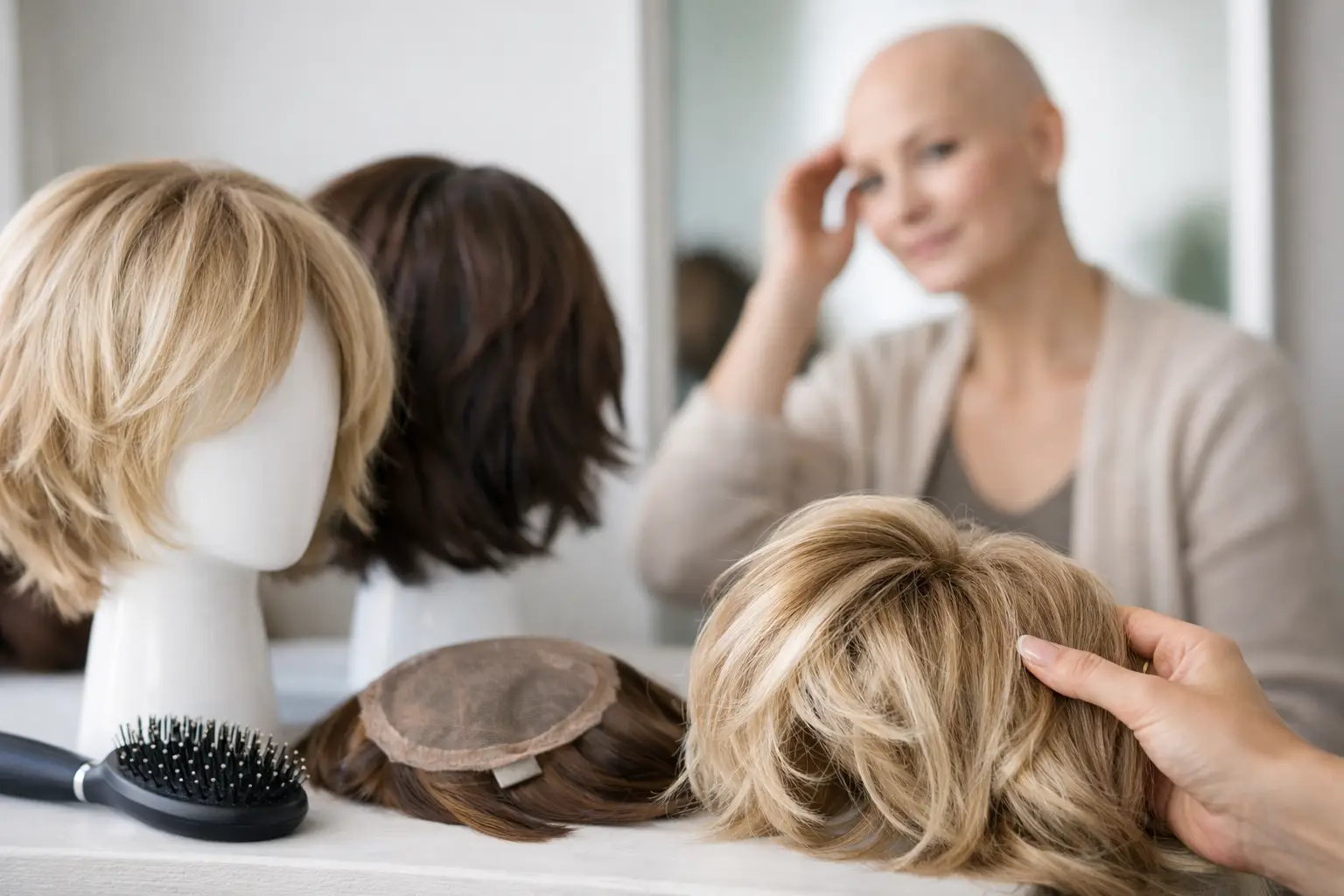
When hair loss changes the way you feel getting ready in the morning, the right wig is not just a cosmetic fix. It becomes part of how you move through work, social plans, treatment, and daily life with more ease. That is why choosing the best wigs for hair loss starts with more than style. It starts with comfort, scalp sensitivity, realism, and how much control you want over your appearance.
For many people, wigs are not a last resort. They are a practical, confidence-restoring option that can work beautifully on their own or alongside medical treatment, hair replacement systems, or scalp-focused care. The best choice depends on your stage of hair loss, your lifestyle, and whether your priority is natural movement, low maintenance, breathability, or budget.
What makes the best wigs for hair loss different
A wig for fashion wear and a wig for active hair loss are not the same thing. If you are dealing with thinning, alopecia, chemotherapy-related shedding, or a sensitive scalp, the internal construction matters as much as the hair itself.
The best wigs for hair loss are designed to feel secure without putting unnecessary pressure on the scalp. They tend to use softer cap materials, lighter weight construction, and a more realistic hairline. This matters because irritation, heat buildup, and an unnatural front edge are often what make people give up on wigs too quickly.
A good wig should also match the way you actually live. If you wear it every day, comfort becomes non-negotiable. If you only want it for work or special occasions, you may be more flexible on maintenance or price. There is no single best wig for everyone, and that is exactly why consultation matters.
Human hair or synthetic
This is usually the first question, and the answer depends on what you value most.
Human hair wigs offer the most natural movement and styling flexibility. They can be heat styled, customized, and worn in a way that often feels closest to natural hair. For people who want a polished, highly realistic finish, especially in professional settings, human hair can be an excellent option. The trade-off is upkeep. Human hair wigs need more maintenance, more careful washing, and usually a higher budget.
Synthetic wigs have improved significantly. A quality synthetic wig can look very natural, hold its style well, and require less day-to-day effort. That makes it appealing if you want convenience or if energy levels are limited during medical treatment. The downside is that lower-grade synthetic fibers can appear too shiny, and some styles offer less flexibility for restyling.
Heat-friendly synthetic wigs sit somewhere in the middle. They allow some styling changes while still being easier to maintain than human hair. For many first-time buyers, this category offers a sensible balance.
The cap matters more than most people expect
If you are searching for the best wigs for hair loss, focus closely on the cap construction. This is where comfort and realism are won or lost.
A monofilament top is popular because it creates the appearance of hair growing from the scalp. It also allows multidirectional parting, which helps the wig look less fixed or obvious. For people with visible hair loss at the top or crown, this feature can make a major difference.
A lace front is another strong option when the hairline is a priority. It creates a softer, more natural front edge, which is especially helpful if you like to wear hair off the face. If you are worried that a wig will be noticeable, lace front construction often addresses that concern right away.
Hand-tied caps are typically the most comfortable for sensitive scalps. Because the fibers are tied individually, the wig moves more naturally and feels softer against the skin. They are often recommended for medical hair loss, but they do cost more.
Basic wefted caps are more affordable and can be breathable, but they may not offer the same realism or softness. They can still be a good choice for occasional wear or for someone testing wigs for the first time before investing in a premium option.
Best wig types for different hair loss situations
The cause and pattern of hair loss should guide the choice.
For diffuse thinning, a lightweight wig with a natural density often looks best. Very thick wigs can feel attractive in theory but may look disconnected from your age, face shape, or previous style. A softer density usually creates a more believable result.
For complete hair loss, comfort becomes even more important. A soft-lined cap, secure fit, and low-friction interior help reduce irritation on bare scalp. In these cases, hand-tied or medical-grade wig options are often worth considering.
For patchy hair loss, including some forms of alopecia, a full wig may not always be necessary. Depending on the pattern, a topper, partial system, or custom hair integration solution may be more natural and easier to manage. This is one reason a specialist approach is so valuable. The best answer is not always the fullest or most expensive piece.
For hair loss during chemotherapy, softness, simplicity, and breathability usually matter more than styling range. Many people prefer a ready-to-wear synthetic wig during treatment because it reduces effort while still helping them feel like themselves.
Getting the fit right
Even a premium wig will disappoint if the fit is wrong. A secure but gentle fit helps the wig look natural because it stays where it should without constant adjusting.
Measurements should be taken carefully around the head, including circumference and front-to-back length. Too tight, and the wig can create pressure and discomfort. Too loose, and it may shift, which affects both appearance and confidence.
Adjustable tabs help, but they do not solve every fit issue. If you have a very petite or larger head size, or if your scalp shape has changed because of advanced hair loss, custom fitting may be the better route. This is especially true for daily wearers.
It is also worth thinking about grip. Some people do well with wig grips or liners, while others with sensitive skin prefer the lightest possible contact. What feels secure to one person may feel irritating to another.
Realism comes from the small details
People often focus only on length or color, but natural-looking wigs depend on subtler choices.
Density is one of them. Hair that is too thick can make the wig look costume-like, particularly around the sides and crown. A softly layered cut with moderate density is often far more convincing.
Color also needs restraint. A flat, single-tone shade can look artificial under daylight. Slight dimension, rooted color, or gentle highlights tend to mimic natural hair better. The goal is not dramatic transformation unless that is what you want. Often, the most flattering wig is the one that looks like a refined version of your own hair.
The hairline and parting space matter too. These are the areas people notice first, even if they cannot explain why a wig looks natural or not. A quality lace front and a believable part line usually do more for realism than extra length or volume.
Maintenance should match your routine
A wig that looks beautiful in the salon but feels demanding at home may not be the right choice. This is where honest self-assessment helps.
If you want a ready-to-wear option for busy mornings, synthetic may suit you better. If you enjoy styling and are comfortable investing time, human hair gives you more control. Neither is better in every case.
Climate matters as well. In warm, humid conditions, breathable construction and manageable density become more important. Heavier wigs can feel uncomfortable quickly, especially for all-day wear. A specialist can help you balance appearance with real-world comfort instead of choosing based only on mannequin photos.
When a wig is the right answer, and when it is not
Wigs can be transformative, but they are not the only option for hair loss. Some clients are better suited to toppers, non-surgical hair replacement systems, scalp micropigmentation, or treatment-based approaches that support existing hair.
That is why the best advice usually comes from a provider who understands the full picture, not just wig sales. At HairSpec, this broader view is part of what helps clients choose solutions that actually fit their goals, rather than pushing them into a one-size-fits-all answer.
If you are early in the hair loss process, a wig may be a temporary confidence tool while you explore treatment. If your hair loss is advanced or long-term, a wig may become your preferred everyday solution. Both are valid. What matters is choosing with clarity, not panic.
How to shop with more confidence
Start by thinking about where and how often you plan to wear the wig. Bring photos of hairstyles you have genuinely liked on yourself, not just styles that look good on someone else. Be honest about your maintenance habits, your sensitivity level, and your budget.
Most of all, give yourself permission to prioritize comfort and realism over perfection. The best wigs for hair loss do not need to look overly glamorous to be successful. They need to help you feel at ease, look like yourself, and reduce the daily stress that hair loss can create.
A well-chosen wig should not feel like hiding. It should feel like having options again.