

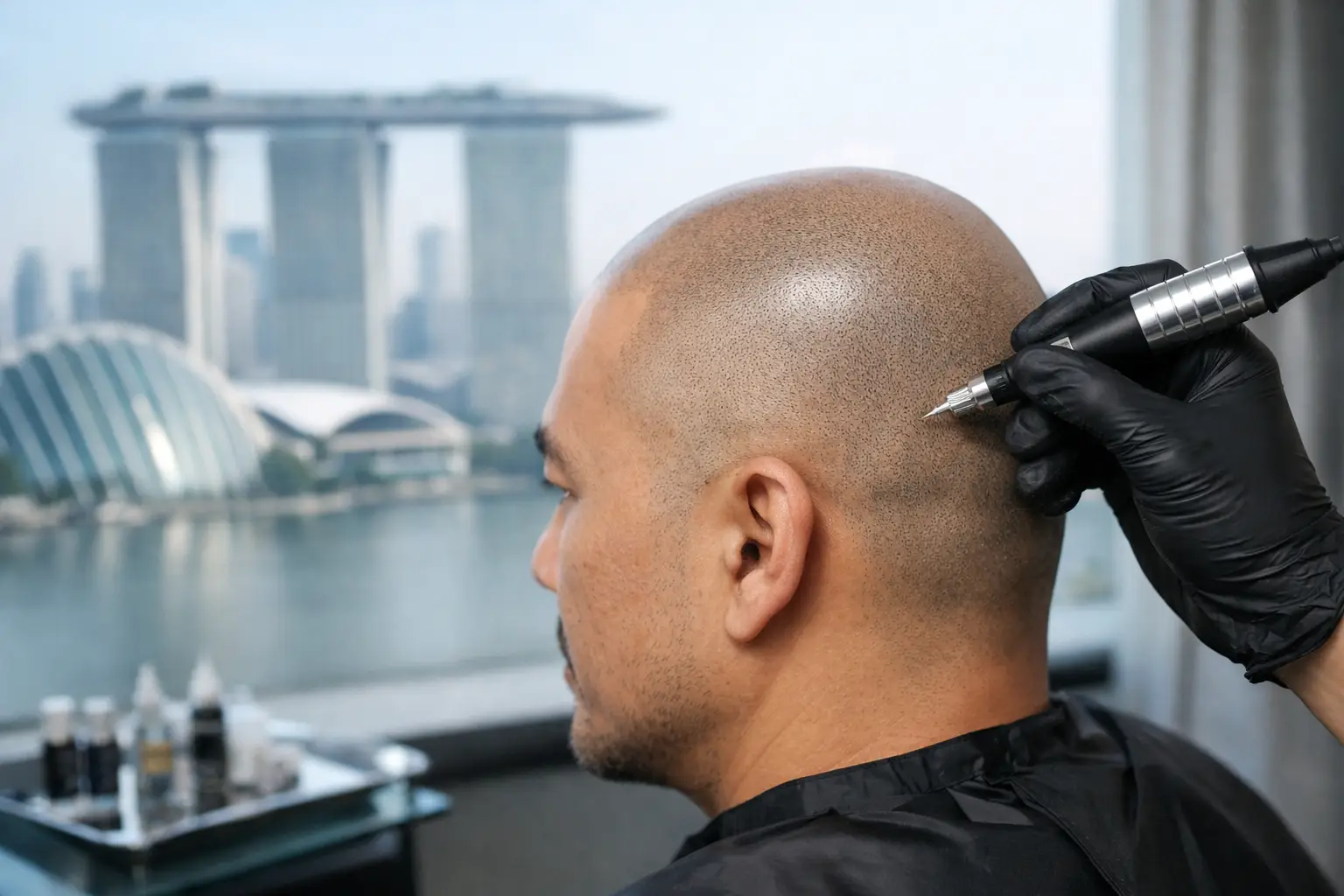
If you have started comparing hair loss solutions, scalp micropigmentation Singapore cost is probably one of the first questions on your mind – and for good reason. SMP can create the look of stronger hair density or a closely shaved scalp without surgery, but pricing is not one-size-fits-all. The real cost depends on how much area needs treatment, the style you want, how many sessions are required, and the experience of the provider.
For many people in Singapore, the decision is not simply about finding the cheapest quote. It is about getting a result that looks natural in office lighting, outdoor daylight, and close social settings. When a treatment sits on your scalp every day, value matters more than headline price.
What affects scalp micropigmentation Singapore cost?
The biggest pricing factor is treatment size. A small hairline enhancement costs far less than full-head coverage for advanced thinning or baldness. Someone filling in a widening part line or adding density around the temples may need fewer hours and fewer pigment impressions than someone recreating a full buzz-cut look.
Your desired result also matters. Density work for thinning hair is often more technical than people expect because the pigment must blend with existing hair. If the practitioner places dots too dark, too large, or too evenly, the result can look artificial. A natural finish usually takes careful layering across multiple sessions, and that level of detail affects cost.
Scalp condition plays a role too. Oily skin, scar tissue, sensitive scalp areas, and uneven previous work can all make treatment more complex. If you have old SMP that needs correction or fading, the price may rise because the practitioner is not starting with a clean canvas.
Provider expertise is another major factor. A highly experienced clinic typically charges more than a general beauty studio offering SMP as one of many services. That price difference often reflects better consultation, stronger aesthetic judgment, more precise pigment selection, and a lower chance of visible mistakes.
Typical price ranges in Singapore
In Singapore, scalp micropigmentation pricing often starts from the low hundreds for very small touch-up zones and can go into the thousands for larger or more advanced cases. For partial-area work, many clients may see quotes ranging from about SGD 800 to SGD 2,000. For more comprehensive treatment, prices often fall between SGD 2,000 and SGD 5,000 or more, depending on coverage and session count.
These ranges are broad because clinics package SMP differently. Some quote by treatment area, some by number of sessions, and some after a scalp assessment. A very low advertised starting price can be real, but it may only apply to a minor correction or a tightly defined patch.
If you are comparing quotes, ask whether the price includes the full treatment plan or just the first session. SMP usually requires layering, so a single-session quote does not always reflect the final investment.
Why one clinic may cost much more than another
The gap often comes down to customization and consistency. A lower-cost provider may use a more standardized approach, while a specialist clinic spends more time on hairline design, pigment matching, density control, and aftercare planning. Those details are easy to overlook at the consultation stage, but they are exactly what determine whether the result looks subtle and believable.
There is also the issue of correction work. Poor SMP can be expensive to fix. When pricing seems unusually low, it is worth asking what compromises may be built into that quote.
How many sessions are usually needed?
Most SMP treatments are completed over two to four sessions. The first session builds the base, and the following sessions add depth, refine the shape, and improve realism. Spacing between sessions is common because the scalp needs time to heal and reveal how the pigment settles.
This is why cost can feel confusing at first. A client may hear a base number, then realize the complete look requires more than one appointment. The right way to evaluate pricing is by the full treatment journey, not by a single visit.
For some clients, fewer sessions are enough. For others, especially those with extensive hair loss, scar camouflage needs, or a preference for a denser finish, treatment may take longer. That does not necessarily mean anything is wrong. It often reflects a more careful process.
Is SMP cheaper than a hair transplant?
In most cases, yes. SMP is generally more affordable upfront than a hair transplant, and it avoids surgical downtime. That makes it appealing to people who want visible improvement without the cost and recovery associated with surgery.
That said, SMP and hair transplant surgery do different jobs. SMP creates the appearance of density. It does not grow hair. A transplant moves living follicles, but not everyone is a suitable candidate, and not everyone wants surgery. For some people, SMP is the ideal standalone solution. For others, it works best as part of a broader plan.
This is where a specialist consultation matters. Someone with mild thinning may benefit from regenerative treatments, medical support, or hair replacement options instead of or alongside SMP. Someone with a transplanted hairline may use SMP to make the final result look fuller.
What should be included in the cost?
A good SMP quote should cover more than pigment placement. It should include consultation, scalp assessment, treatment design, session planning, and aftercare guidance. If touch-ups are not included, that should be clearly explained from the start.
You should also understand whether the price accounts for scar camouflage, density blending, or hairline recreation, because these are not identical treatments. A transparent clinic will walk you through exactly what you are paying for and what result is realistically achievable.
If the consultation feels rushed or overly sales-driven, that is worth noting. Hair loss is personal, and treatment planning should feel thoughtful, not pressured.
The long-term cost of scalp micropigmentation
SMP is not usually a forever-one-time treatment. Like any cosmetic pigment procedure, it can fade gradually over time. Many clients eventually return for a refresh, often years later, depending on skin type, sun exposure, lifestyle, and the original treatment depth.
That does not mean the treatment is high-maintenance. In fact, many people find it easier and more predictable than daily concealment products, fibers, or temporary cosmetic fixes. But it is smart to factor in future touch-ups when thinking about overall value.
A slightly higher initial investment with a skilled provider can make more sense if the work ages better and needs fewer corrections. Cheap treatment that fades unevenly or changes tone can become more expensive in the long run.
How to judge value, not just price
The best way to assess value is to look at results on real clients with hair loss patterns similar to yours. A sharp hairline on a model does not tell you much if your concern is diffuse thinning, alopecia, or transplant scar coverage. You want to know whether the clinic understands your exact problem and can design an outcome that suits your face, age, skin tone, and lifestyle.
It also helps to ask practical questions. How natural will this look under bright light? Will I need to shave regularly to maintain the style? How will the pigment soften over time? What happens if I want a conservative hairline rather than a dramatic one? These are the conversations that separate a cosmetic procedure from a personalized solution.
At HairSpec, that personalized approach matters because hair loss rarely fits into a single category. One person wants the look of a clean buzz cut. Another wants subtle density in thinning areas without anyone noticing they had a procedure. The right plan should reflect that difference.
Who is likely to get the best return on investment?
SMP often offers strong value for men who keep short hair and want the appearance of a fuller hairline or more even scalp coverage. It can also be an excellent option for women with visible part-line thinning who want to reduce scalp contrast and make their hair look denser.
It is also worth considering for people who are not ready for surgery, do not qualify for transplant, or want to improve the appearance of transplant scars. In these cases, the treatment can provide a meaningful visual change with less disruption to daily life.
Still, it depends on expectations. If you want actual strand growth and styling volume, SMP alone may not meet that goal. If you want the illusion of density, shape, and definition, it can be one of the most effective non-surgical options available.
When you are weighing scalp micropigmentation Singapore cost, the smartest question is not just, “How much does it cost?” It is, “What result am I paying for, and how confidently can this provider deliver it?” That shift in thinking usually leads to better decisions – and a result you can feel comfortable living with every day.