

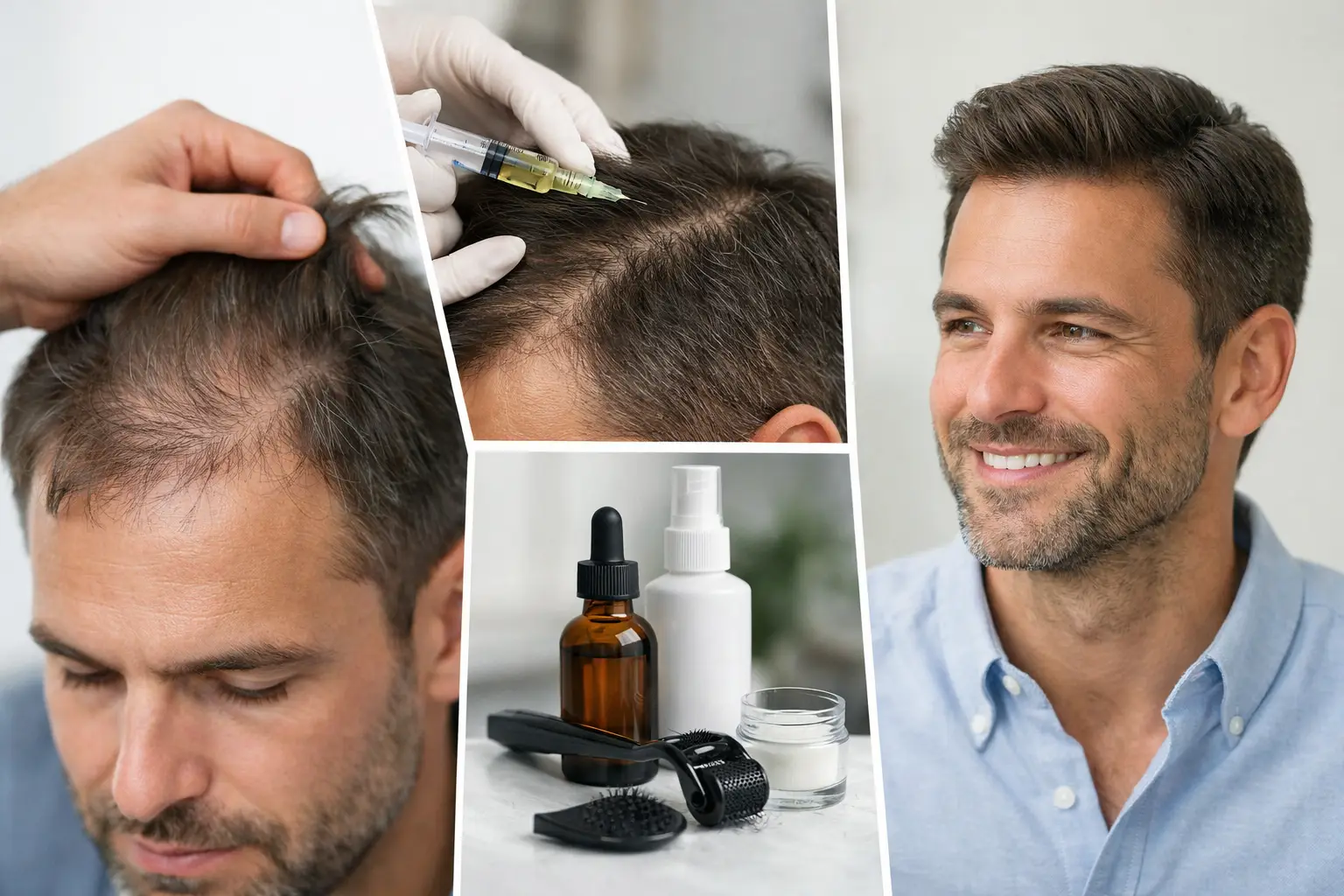
Hair loss rarely feels like a small issue when it is happening to you. A widening part, a thinning crown, or sudden shedding after stress or medical treatment can affect how you look at yourself long before anyone else notices. That is why more people are asking about non surgical hair restoration options that can improve density, restore a natural appearance, and give them control without surgery.
The good news is that non-surgical solutions are no longer limited to obvious wigs or temporary cover-ups. Today, the category includes advanced hair systems, scalp micropigmentation, light-based treatments, and supportive therapies that can be tailored to different types of hair loss. The right approach depends on why the hair loss is happening, how quickly you want to see change, and whether your goal is concealment, stimulation, or both.
What non surgical hair restoration options actually include
Many people use this phrase to mean anything that helps them look or feel like they have more hair without going into an operating room. That includes cosmetic solutions that create immediate fullness, as well as treatment-based options that support scalp health and encourage stronger growth over time.
Some options are best for visible transformation right away. Others are designed to work gradually. In many cases, the most effective plan combines the two. Someone with pattern thinning, for example, may want immediate coverage from a custom hair system while also using low level laser therapy or scalp treatments to support the natural hair they still have.
This is where personalized advice matters. Hair loss is not one condition. Men and women may experience androgenetic alopecia, stress-related shedding, traction damage, hormonal thinning, or medical hair loss. A solution that works well for one person may be the wrong fit for another.
Hair replacement systems for immediate density
For people who want the fastest visible result, non-surgical hair replacement is often the most practical answer. Modern hair systems are far more refined than many people expect. When custom matched for hair color, texture, density, and hairline design, they can look natural in everyday life and on close inspection.
These systems are especially useful for moderate to advanced hair loss, or for anyone who does not want to wait months for gradual improvement. They can restore a full-looking hairline, improve crown coverage, and allow a high degree of control over style. That control matters to many professionals and image-conscious adults who want to decide how they look rather than simply react to ongoing thinning.
The trade-off is maintenance. Hair systems need regular care, refitting, and professional support to keep them secure and natural-looking. They are not the same as regrowing your own hair. Still, for many clients, the confidence boost and immediate cosmetic improvement are worth it.
More advanced versions, including ultra-fine base systems such as Nanospec-style solutions, are designed to create an even more discreet finish. These are often chosen by people who want a lighter, more breathable feel and a more undetectable appearance along the hairline.
Scalp micropigmentation for definition and coverage
When scalp micropigmentation works best
Scalp micropigmentation uses detailed pigment placement to create the look of hair follicles or added density. It does not produce actual hair growth, but it can make thinning areas appear fuller and can visually reduce the contrast between hair and scalp.
This makes it a strong option for men who prefer a closely shaved look, as well as women with diffuse thinning who want the scalp to show less through the hair. It can also help camouflage scars, including those from previous procedures.
The appeal is durability and low daily maintenance. Once completed, the result does not depend on styling products or fibers. The main consideration is that it changes the visual effect rather than the hair itself. If someone wants to run their fingers through longer, fuller hair, a different solution may be more appropriate.
Low level laser therapy for early to moderate thinning
Low level laser therapy, often called LLLT, is a non-invasive treatment that uses light energy to support hair follicles. It is generally considered most useful for people in the earlier stages of thinning, especially when there are still functioning follicles that may respond to stimulation.
This option appeals to clients who want a treatment-based approach with no surgery and no downtime. Sessions are comfortable, and the treatment can fit into a routine more easily than many people assume. The limitation is patience. LLLT is not an overnight fix, and results vary depending on the cause of hair loss, the health of the follicles, and consistency over time.
For that reason, laser therapy often works best as part of a broader plan rather than as a standalone answer for severe hair loss. It can be particularly helpful for preserving existing hair and supporting overall scalp health.
Mesotherapy and scalp-focused treatments
Mesotherapy and other targeted scalp treatments are often chosen by people who still have active follicles but are noticing weaker growth, increased shedding, or poor scalp condition. These treatments are designed to nourish the scalp environment and support stronger hair from the root level.
The exact approach can differ, which is why consultation is important. Some clients are mainly dealing with scalp buildup, inflammation, or stress-related changes, while others need a more intensive restorative plan. Hair spa treatments can also play a supporting role here, especially when scalp health has been neglected or compromised by styling habits, product overload, or environmental stress.
These options tend to be best for people who are looking to improve hair quality and support natural growth, not create dramatic coverage in a single session. They can be valuable, but they usually require realistic expectations and ongoing care.
Wigs, toppers, and toupees for flexible coverage
Not everyone wants an attached hair replacement system. Some people prefer the flexibility of wigs, toppers, or toupees, especially if their hair loss fluctuates or is related to medical treatment. Medical wigs can be particularly important for clients dealing with chemotherapy, alopecia, or other health-related causes of shedding, where comfort and privacy are just as important as appearance.
The best modern pieces are lighter, more natural-looking, and more customizable than the old stereotypes suggest. They can be shaped around lifestyle needs, whether that means daily wear, occasional wear, or a discreet solution during a temporary period of hair loss.
The difference between a good result and a disappointing one usually comes down to fitting, design, and guidance. A poorly matched piece can feel obvious and uncomfortable. A professionally selected one can restore normalcy in a very immediate way.
Hair extensions and weaving for localized thinning
For clients who still have a reasonable amount of natural hair but want more volume, hair extensions or weaving can help create fullness. These options are usually best for specific cosmetic concerns, such as thin lengths or reduced density in certain areas, rather than widespread balding.
They can deliver attractive results, but they are not suitable for everyone. If the natural hair is already fragile, extensions or weaving may place too much tension on the scalp and worsen the problem. This is a classic example of why the most popular solution is not always the safest one.
Choosing the right option for your type of hair loss
The best solution depends on your goal
If your main priority is immediate visible hair, hair replacement systems, wigs, or toppers usually make the most sense. If your priority is supporting the hair you still have, laser therapy, mesotherapy, and scalp treatments may be more relevant. If your concern is the appearance of a thin scalp rather than actual strand length, scalp micropigmentation can be extremely effective.
Budget, maintenance tolerance, and privacy preferences matter too. Some clients want a set-and-forget solution. Others are happy to return for upkeep if the cosmetic result is strong. There is no single best option in every case.
This is why a specialist consultation matters more than online guesswork. A proper scalp assessment can identify whether you are a good candidate for restorative treatment, a better match for cosmetic enhancement, or someone who may benefit from combining both. At HairSpec, this kind of tailored guidance is central to getting a result that looks natural and feels manageable in real life.
A good hair restoration plan should do more than change what you see in the mirror. It should fit your routine, your comfort level, and the way you want to show up in daily life. The best choice is the one that gives you confidence without feeling like a compromise.