

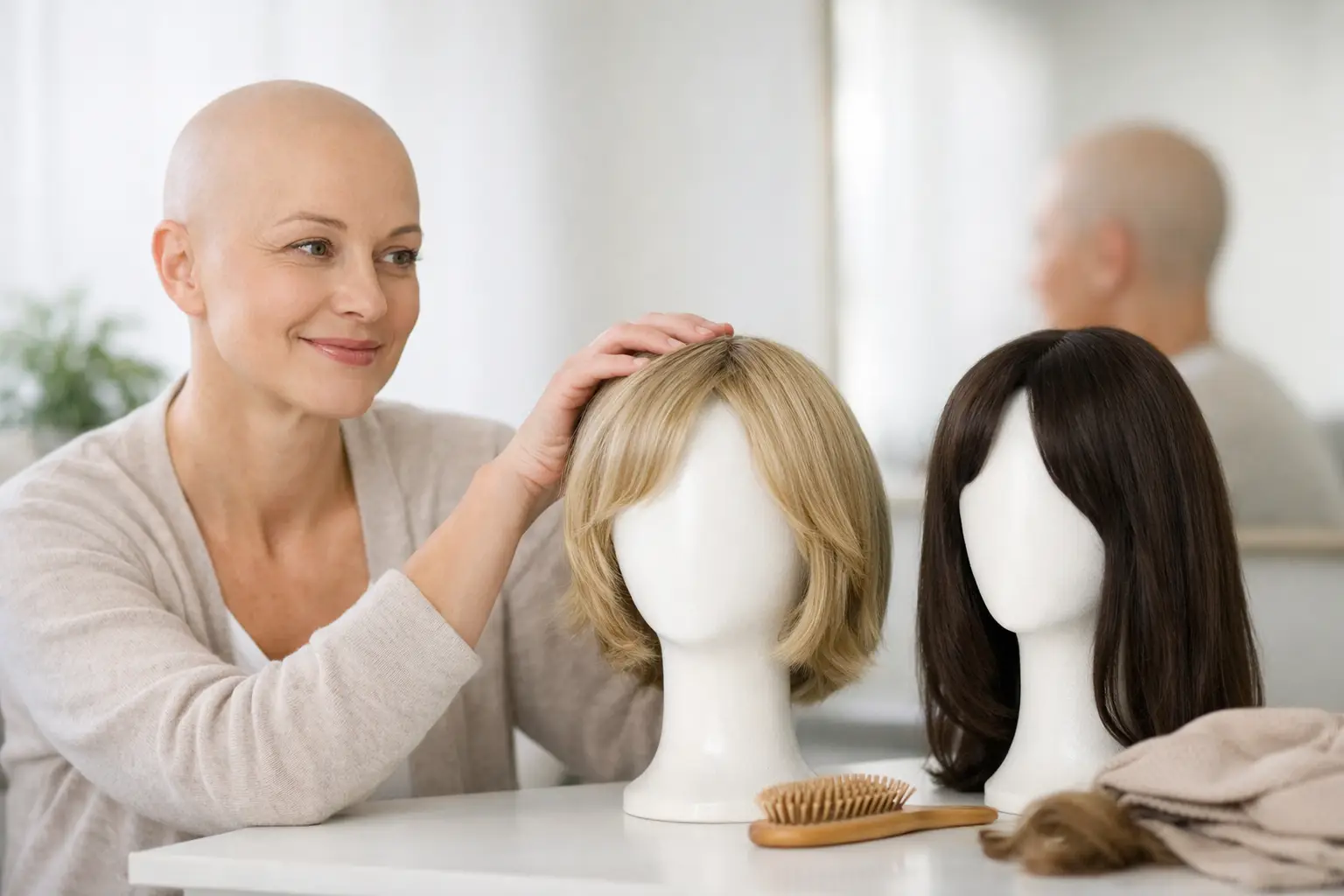
Hair loss during treatment rarely feels like a small change. For many people, it affects privacy, routine, and the sense of looking like yourself when so much already feels out of your control. That is why finding the best wigs for chemotherapy patients is not just about appearance. It is about comfort, confidence, and choosing something that supports you through a physically and emotionally demanding time.
The right wig can make mornings easier and public outings less stressful. The wrong one can feel hot, itchy, heavy, or obviously artificial – which is the last thing anyone needs during treatment. A better approach is to focus less on what looks best on a mannequin and more on what will feel wearable on a sensitive scalp, fit your lifestyle, and still look natural in everyday light.
What makes the best wigs for chemotherapy patients different
A chemotherapy wig has a different job than a fashion wig. It needs to sit comfortably on a scalp that may be tender, dry, or unusually sensitive. It also needs to work when there is little or no natural hair underneath, which changes how the cap fits and how secure the wig feels.
That is why comfort features matter as much as style. Soft cap construction, lightweight materials, and a secure but gentle fit should come first. Many first-time buyers understandably focus on color and length, but those details only matter if the wig is comfortable enough to wear for more than an hour.
Breathability is another major factor. Some wigs look beautiful but trap heat quickly, especially in warm climates or during long days out. For someone already managing fatigue, temperature shifts, or skin sensitivity, that can make a wig feel unbearable. The best option is usually the one that disappears into your routine rather than demanding constant adjustment.
Synthetic or human hair?
This is often the first decision, and there is no one answer for every patient. It depends on budget, styling habits, and how much daily maintenance feels realistic.
Synthetic wigs
For many chemotherapy patients, a high-quality synthetic wig is the most practical starting point. Modern synthetic fibers hold their style well, so the shape stays polished without daily blow-drying or restyling. That can be a real advantage when energy levels are low.
Synthetic wigs also tend to be lighter and more affordable than human hair wigs. The trade-off is that they usually offer less flexibility with heat styling, and lower-quality versions can develop shine that looks less natural. Premium synthetic options have improved significantly, though, especially in texture and movement.
Human hair wigs
Human hair wigs offer the most natural look and the greatest styling freedom. They move more like biological hair, and they can be cut, curled, or smoothed to suit your preferences. For patients who want the closest match to their pre-treatment hairstyle, this can be appealing.
The trade-off is maintenance. Human hair wigs require more care, more frequent styling, and usually a higher investment. They can also react to humidity and weather, just like natural hair. For some people, that level of realism is worth it. For others, it adds work at a time when simplicity matters more.
Cap construction matters more than most people expect
If there is one detail that separates a wearable wig from an uncomfortable one, it is the cap. This is the interior structure that sits directly against the scalp, and for chemotherapy patients it can make or break the experience.
Monofilament caps
Monofilament wigs are designed to create the appearance of natural hair growth from the scalp. They can look very realistic, especially along the parting area, and they are often softer than basic machine-made caps. For patients who want a natural finish without moving into the highest price range, this is often a strong middle ground.
Lace front wigs
Lace front wigs create a more natural-looking hairline, which matters if you like to wear hair off the face. They can be especially helpful for shorter styles, layered cuts, and side-swept looks. A good lace front should blend well without feeling rough against the skin.
Hand-tied caps
Hand-tied wigs are usually among the most comfortable premium options because each strand is individually tied, allowing the hair to move more naturally. They are lightweight and soft, which can be ideal for very sensitive scalps. They also tend to cost more, so whether they are worth it depends on how often the wig will be worn.
How to choose a wig that actually feels good all day
A wig may look perfect in photos and still feel wrong within minutes. Comfort comes down to a few practical details.
First, pay close attention to weight. Longer, denser wigs can be beautiful, but they are often warmer and heavier. During chemotherapy, many people find that a lighter bob, soft layered cut, or shoulder-length style is easier to manage than very long hair.
Second, think about density. A wig does not need extreme volume to look natural. In fact, overly thick wigs can look less convincing, especially on mature adults. Moderate density often looks more believable and feels less bulky.
Third, consider the inside finish. Soft linings, smooth seams, and irritation-free materials matter when the scalp is dry or tender. If a cap feels scratchy during a fitting, it will not improve after hours of wear.
Finally, make sure the fit is secure without being tight. Adjustable straps, silicone-lined sections, or custom fitting can help. A wig should feel stable when you turn your head, but it should never create pressure points.
Best wig styles for chemotherapy patients
The most flattering style is usually one that feels familiar, manageable, and proportionate to your face shape and lifestyle. There is no rule that says you need to recreate your old hairstyle exactly, but many patients feel more at ease when the transition is subtle.
Short to medium styles are often the easiest to wear. They are lighter, cooler, and simpler to maintain. Soft bobs, layered lobs, and pixie-inspired cuts can all look modern and natural without requiring much styling.
If you prefer longer hair, it is still possible – just choose realistic density and a fiber quality that will not tangle too easily. Longer wigs generally need more brushing and care, which may or may not suit your routine during treatment.
Color should also be chosen thoughtfully. Matching your previous shade can help the change feel less dramatic, but some patients prefer a slightly softer or more dimensional color than they wore before. Natural-looking highlights and rooted tones can make a wig look more believable than a flat, solid shade.
Common mistakes when shopping for the best wigs for chemotherapy patients
One common mistake is buying based on looks alone. A wig may appear beautiful online, but without knowing the cap type, weight, fiber quality, and fit, it is hard to judge whether it will work in real life.
Another is choosing too much hair. Many first-time buyers assume fuller means better, but very dense wigs can feel heavy and look artificial. Natural movement and balanced density usually create a more convincing result.
It is also easy to underestimate scalp sensitivity. Caps that seem acceptable in a brief fitting may become uncomfortable after several hours. This is why specialist guidance matters. A provider experienced in medical hair loss can help you assess comfort, not just style.
Timing matters too. Many people start shopping only after hair shedding begins, which can make the process feel rushed and emotionally harder. If possible, choose a wig before significant hair loss starts so you have more time, more options, and less pressure.
Why personalized fitting makes a real difference
Medical wigs are not just products. They are part of a personal adjustment, and that is why consultation-led support is valuable. The best result usually comes from trying options with someone who understands scalp sensitivity, face shape, lifestyle needs, and the emotional side of treatment-related hair loss.
A proper fitting can help with cap size, realistic styling, and color selection. It can also reduce the trial-and-error that often comes with ordering blindly online. For many patients, privacy and discretion matter just as much as technical quality. Working with a specialist can make the process feel calmer, more respectful, and more controlled.
At HairSpec, that personalized approach is central to helping clients find solutions that look natural and feel comfortable, especially when hair loss is tied to a medical journey rather than a cosmetic preference.
A better way to judge the right wig
Instead of asking which wig is best in general, ask which wig will be best for your scalp, your schedule, and your sense of self. The right choice may be a lightweight synthetic bob that is easy to wear every day. It may be a premium hand-tied human hair wig that restores a familiar look. It depends on what will make you feel most comfortable walking out the door.
When a wig fits well, feels soft, and looks like you, it can offer more than coverage. It can give you one less thing to manage, and sometimes that kind of relief matters just as much as the mirror.