

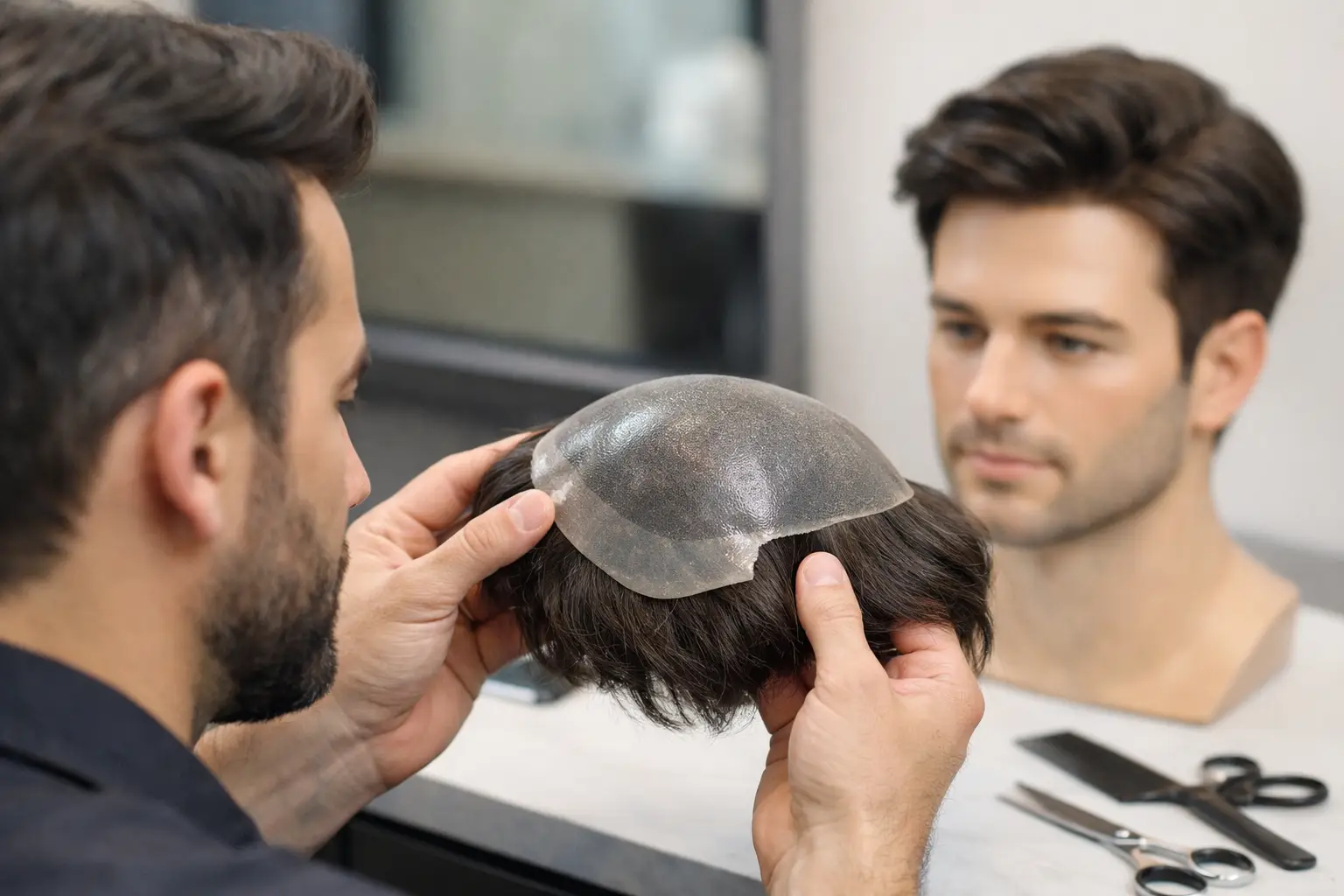
Hair loss decisions often become difficult the moment you start comparing options. A guide to choosing hair systems should do more than explain styles and prices. It should help you find a solution that looks like your hair, feels comfortable through a full workday, suits your routine, and gives you control over the result.
A well-chosen hair system can create immediate, natural-looking density without surgery. But there is no single “best” system for everyone. The right choice depends on where you are losing hair, how active your lifestyle is, how much maintenance you are comfortable with, and whether you want a temporary cosmetic change or a longer-term replacement solution.
Start With Your Hair Loss Pattern and Goals
Hair systems can be designed for many concerns, from a receding hairline or thinning crown to diffuse thinning across the entire scalp. Before choosing a base material or attachment method, identify the area you want to address and the outcome you want to see in the mirror.
A partial hair system may be appropriate when you have healthy hair around the sides and back but reduced density on top. It can blend with your existing hair to restore a fuller hairline, crown, or frontal area. A full-cap wig or medical wig may be more suitable for widespread hair loss, alopecia, or hair loss related to medical treatment.
Your goal matters just as much as the pattern. Some clients want subtle density that makes styling easier. Others want a defined hairline, fuller volume, or a complete style change. Be specific about what “natural” means to you. A natural result may mean a soft, age-appropriate hairline for one person, while another may prefer a more styled, youthful look.
Guide to Choosing Hair Systems by Base Material
The base is the foundation of a hair system. It affects how the system feels, how realistic the scalp appearance is, how it attaches, and how long it may last. The most suitable material is usually a balance between realism, durability, breathability, and maintenance.
Lace bases for a softer, natural hairline
Lace bases are lightweight and breathable, making them a popular option in warm or humid conditions. Fine lace can create the appearance of hair growing directly from the scalp, particularly at the front hairline. It is often favored by people who wear their hair brushed back or want greater styling flexibility.
The trade-off is that delicate lace requires careful handling. It may not last as long as a more durable base, especially for clients with very active routines or those who prefer less frequent maintenance. Adhesive choice and professional application are especially important to protect the lace and maintain a clean blend.
Skin bases for scalp-like realism
Skin bases use a thin polyurethane material that resembles the appearance of scalp skin. They can offer a highly natural look and are generally easy to clean and reattach. Because the hair is implanted into the base, the result can look especially convincing when the system is matched precisely to your hair color, texture, and density.
Skin bases are often a practical choice for those who want a secure bonded fit. However, they may feel warmer than lace and can be less breathable. The thinner the material, the more realistic it may look, but the more delicate it can be. A thicker skin base can offer greater durability, with a slightly different feel and finish.
Monofilament and hybrid bases for balance
Monofilament bases are known for comfort and durability. They allow hair to move naturally and can work well for clients who want a system that stands up to regular wear. Hybrid systems combine materials, such as lace at the front with a stronger skin or monofilament section elsewhere.
A hybrid system is often an excellent compromise for someone who wants a believable hairline without sacrificing too much durability. The best design depends on how you style your hair and which areas need the most realism or reinforcement.
Choose Hair That Blends, Not Just Hair That Looks Full
Density is one of the biggest factors in whether a hair system appears natural. A system with too much density can look obvious, especially when your natural hair at the sides is fine or gray. A system with too little density may not provide the coverage or confidence you expect.
An experienced specialist will consider your age, facial features, existing hair density, and preferred hairstyle before recommending the amount of hair in the system. A gradual, softer density near the hairline usually creates a more believable transition than a thick, uniform front.
Human hair systems offer the most natural movement and styling versatility. They can generally be cut, styled, and colored to better match your own hair. They also require ongoing care, much like natural hair. Synthetic hair can be easier to maintain and may hold its style well, but it offers less flexibility with heat styling and may not suit every desired finish.
Texture and color deserve the same attention. Straight, wavy, curly, fine, coarse, black, brown, gray, or blended shades should be matched carefully. A good color match is rarely a single flat shade. Natural hair often contains subtle variation, particularly around the temples and sides.
Consider Your Lifestyle Before Selecting Attachment
Attachment affects security, comfort, maintenance, and how often you need to return for servicing. There are several options, and the right one depends on your skin sensitivity, activity level, hair loss pattern, and personal preference.
Temporary attachment methods, such as clips or tapes, may work well for people who want the ability to remove their system at home. They can suit occasional wear, special events, or those who prefer a flexible routine. They may not be ideal if you want to swim, exercise intensely, or wear the system continuously for extended periods.
Bonded systems use professional-grade adhesive or tape for a more secure fit. They can be a strong option for clients who want to shower, sleep, exercise, and continue their daily life with greater confidence. Bonding requires regular maintenance to protect the scalp, remove buildup, and preserve the natural appearance of the hairline.
The strongest attachment is not automatically the best attachment. If you have sensitive skin, frequent scalp irritation, or a medical condition affecting the scalp, discuss this before application. Comfort and scalp health should always come before convenience.
Be Realistic About Maintenance and Budget
A hair system is not a one-time purchase. It is an ongoing appearance solution that needs cleaning, adjustment, trimming, and eventual replacement. Understanding this from the beginning helps you choose a system that fits your schedule and budget without surprises.
Maintenance frequency varies by base, attachment method, climate, and daily activity. For example, a client who works out frequently, sweats heavily, or uses styling products daily may need more regular servicing than someone with a lower-maintenance routine. Human hair also needs appropriate shampoo, conditioning, and heat protection to retain its softness and appearance.
When comparing costs, consider the full experience: consultation, custom fitting, cut-in, attachment, maintenance appointments, and replacement schedule. A lower-priced system may be less economical if it does not suit your needs, looks unnatural, or requires frequent replacement. The goal is value over time, not simply the lowest initial price.
Work With a Specialist Who Offers More Than One Path
Hair systems can be life-changing for people who want immediate visual improvement, but they are not the only response to hair loss. Depending on the cause and progression of your thinning, you may also benefit from options such as scalp micropigmentation, low-level laser therapy, hair restoration treatments, or hair transplant planning.
A consultation-led approach matters because it prevents a one-size-fits-all recommendation. At HairSpec, a free scalp assessment can help identify your current hair and scalp condition, discuss your expectations privately, and determine whether a non-surgical hair system, restorative treatment, or a combination approach is most appropriate.
Ask to see how the proposed system will be cut and blended with your existing hair. Discuss maintenance openly, including how the system performs during exercise, travel, sleep, and humid weather. You should also feel comfortable asking how often it will need to be serviced and what changes to expect as your natural hair continues to grow or thin.
The right hair system should not feel like a disguise you have to manage every hour of the day. It should feel like a considered part of your personal style – fitted to your scalp, shaped for your face, and supported by a care plan that lets you get on with your life confidently.