

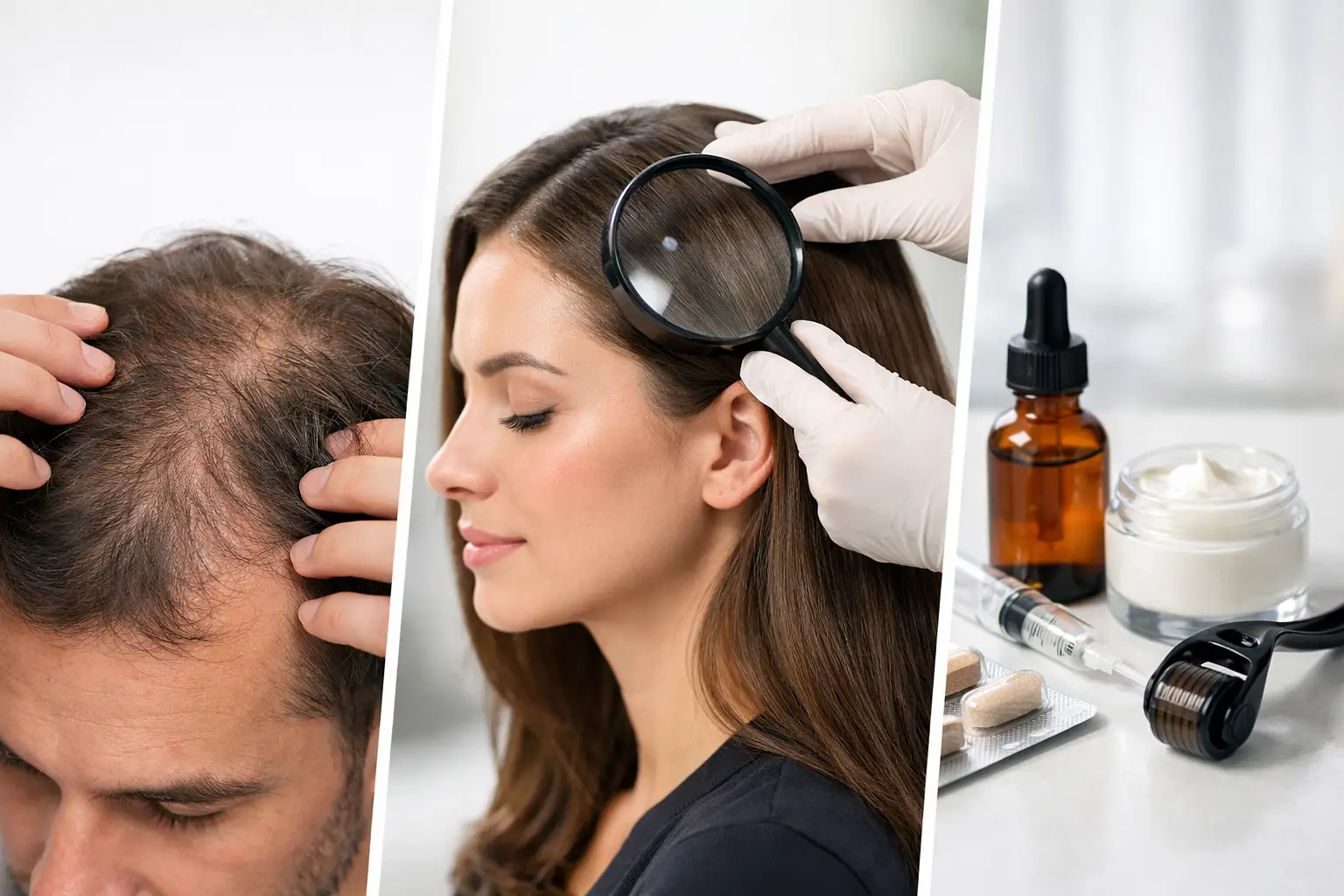
A wider part line, more scalp showing under office lighting, or a ponytail that suddenly feels thinner can make hair loss feel intensely personal. The best hair density enhancement methods are not all trying to do the same job. Some encourage existing follicles to produce stronger growth, some create the appearance of fuller coverage immediately, and others replace hair in areas where regrowth is no longer realistic.
The right choice depends on the cause of thinning, how quickly it is progressing, the amount of donor hair available, your lifestyle, and how soon you want to see a change. A thoughtful plan can combine treatments rather than forcing one solution to meet every need.
Start by defining what “more density” means to you
Hair density can refer to the number of growing hairs per square inch, but most people are focused on what they see in the mirror: less visible scalp, a fuller hairline, better coverage at the crown, or more volume through the lengths. Those goals matter because a treatment that improves follicle health may not give immediate coverage, while a cosmetic solution can create a dramatic visual improvement without changing the underlying hair-loss process.
Before choosing a method, a scalp assessment should look at your hair pattern, follicle condition, scalp health, family history, medications, recent stressors, and whether shedding began suddenly. Pattern hair loss is common, but iron deficiency, thyroid conditions, hormonal shifts, traction, inflammatory scalp conditions, and some medical treatments can also affect density. Sudden or patchy loss deserves medical evaluation before any cosmetic service.
Best hair density enhancement methods for lasting growth
1. Clinician-guided medical treatment
For androgenetic alopecia, also called male or female pattern hair loss, medical treatment may help slow further miniaturization and support thicker-looking growth over time. Topical minoxidil is a widely used option. Prescription therapies may also be appropriate for certain patients, depending on sex, medical history, pregnancy plans, and potential side effects.
This route requires patience. Early shedding can occur with some treatments, and visible improvement often takes several months of consistent use. It also works best when follicles are still active. If an area has been smooth and bare for years, medication alone is unlikely to restore meaningful density there.
The key trade-off is commitment. Stopping a treatment can allow genetically driven hair loss to resume, so it is better viewed as ongoing maintenance than a one-time fix. A qualified medical professional should guide prescriptions and investigate any health-related contributors to thinning.
2. Low-level laser therapy
Low-level laser therapy, or LLLT, uses specific wavelengths of light intended to support cellular activity around hair follicles. It is noninvasive, painless, and often appealing to people who want a drug-free addition to their routine. It may be used through in-clinic sessions or approved home-use devices.
LLLT is not a replacement for every treatment, and results vary with the stage of hair loss. It is generally most useful for early thinning, when there are still miniaturized hairs to support. Regular use matters, and it is often paired with medical therapy or scalp-focused care for a broader approach.
3. Scalp and hair wellness support
A healthy scalp does not override genetics, but irritation, excess buildup, inflammation, and breakage can make thinning hair look worse. Professional scalp care may improve comfort and create a better environment for the hair you still have. Gentle cleansing, avoiding overly tight styles, reducing repeated chemical stress, and addressing dandruff or itch can also protect the appearance of density.
Nutrition deserves a practical view. Hair needs adequate protein and key nutrients, but supplements are not a shortcut for hereditary baldness. Taking high-dose supplements without evidence of a deficiency can be unhelpful or even counterproductive. Blood testing and medical advice are more useful than guessing.
Methods that create fuller-looking hair right away
4. Non-surgical hair replacement
Non-surgical hair replacement provides immediate, customized coverage using a carefully designed hair system. It can be an excellent option for advanced thinning, a receding hairline, diffuse loss, or areas where medical therapies have limited potential. Modern systems can be matched to your preferred density, texture, color, curl pattern, hairline design, and lifestyle.
For many clients, the strongest benefit is control. You are not waiting for a biological response or relying on donor supply. You can choose a density that looks believable for your age and facial features, then adjust the design as your preferences change.
Maintenance is part of the decision. Hair systems need professional fitting, regular cleaning, refastening, and replacement over time. The best result is not the densest possible system. It is one that blends naturally with existing hair, feels comfortable, and suits how you work, exercise, and live.
5. Hair toppers, wigs, and medical wigs
Toppers and wigs are particularly valuable for diffuse thinning, rapid shedding, alopecia, and medically related hair loss. A topper adds volume and coverage to a specific region while allowing natural hair to remain visible around it. A full wig can provide complete coverage and a dependable appearance when hair loss is extensive or unpredictable.
Quality and fitting make a major difference. The cap construction, ventilation, density, hairline, parting, and color blend should all be selected for the wearer. A properly fitted option should feel secure without excessive tension and should look natural in daylight, not only under salon lighting.
This option can also offer privacy and flexibility. Some people use a topper while medical treatment has time to work. Others choose a medical wig as a comfortable long-term solution. Neither choice means giving up on treatment. It simply puts confidence back in your hands now.
6. Hair extensions and volume integration
Extensions can add noticeable fullness to thin-looking lengths, especially when the concern is breakage or a lack of volume below the crown. They are not suitable for every type of hair loss. If hair is fragile, shedding heavily, or thinning near the attachment area, poorly selected extensions can increase tension and worsen breakage.
A specialist should assess the strength of your natural hair and recommend a lightweight application method. Extensions are most effective when the goal is added volume and length, not when significant scalp coverage is needed. They should feel comfortable from day one. Pain, headaches, or traction are signs that the installation needs adjustment.
Advanced options for density and scalp coverage
7. Hair transplantation and scalp micropigmentation
Hair transplantation redistributes follicles from a donor area, typically the back or sides of the scalp, into thinning regions. Because transplanted follicles are your own, the result can be permanent and natural-looking when planned well. It is most appropriate for candidates with stable hair loss, sufficient donor density, and realistic expectations about coverage.
A transplant has limits. Donor hair is finite, and achieving a natural result requires careful planning for possible future hair loss. The procedure involves downtime, healing, and a wait for new growth. It may be combined with medication to preserve surrounding native hair.
Scalp micropigmentation, or SMP, uses specialized pigment placement to replicate the appearance of closely cropped hair follicles or to reduce contrast between hair and scalp. It can make thinning areas look denser, sharpen the look of a buzzed hairline, camouflage scars, or add visual fullness alongside a transplant or hair system.
SMP does not grow hair, and it will not create physical volume. Its strength is visual density. For someone with diffuse thinning and dark hair, reducing scalp contrast can make a meaningful difference with no daily styling effort.
How to choose the right treatment plan
The best plan is often layered. Someone with early crown thinning may combine medical guidance and LLLT with scalp care, then use styling or cosmetic volume support while waiting for improvement. Someone with advanced hairline recession may prefer a transplant if donor supply is strong, or non-surgical replacement if immediate, customizable density is the priority. A person dealing with medical hair loss may need a comfortable wig solution first, alongside advice from their healthcare team.
Be cautious of promises that guarantee a full head of hair for everyone. Hair restoration is highly individual, and natural-looking results come from matching the method to the person, not from using the most aggressive option. At HairSpec, a private scalp assessment can help clarify whether your concern calls for restorative treatment, immediate coverage, or a combination designed around your goals.
A fuller appearance is not about chasing the density you had at 18. It is about choosing a solution that looks believable, feels comfortable, and lets you move through your day without giving your hair a second thought.