

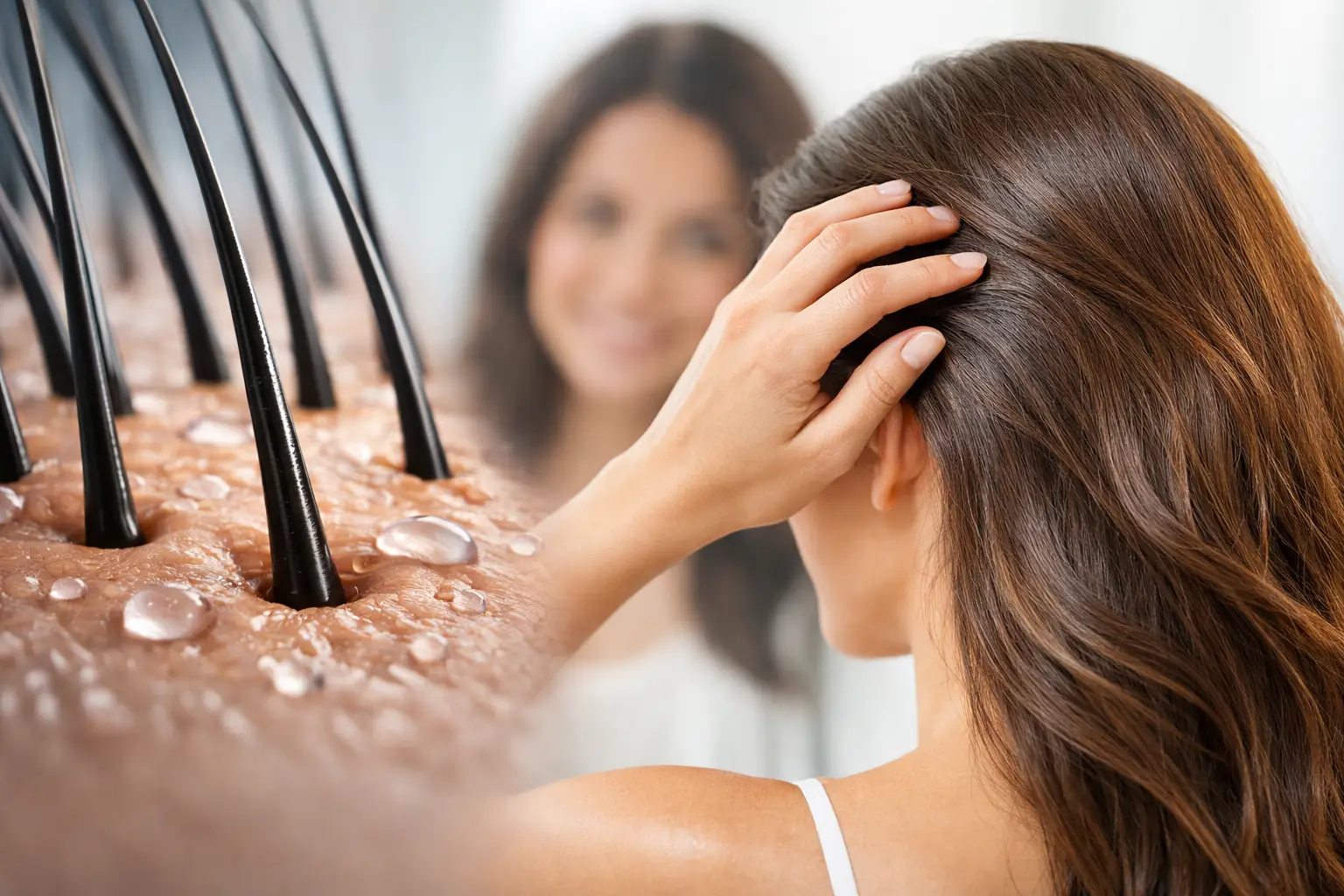
A widening part, more hair in the shower drain, or a scalp that feels tight by late afternoon can be easy to dismiss. Yet scalp health is often the starting point for understanding why hair looks less dense, feels harder to manage, or seems to shed more than usual. Healthy-looking hair does not begin at the ends. It begins with the skin and follicles beneath it.
For people concerned about thinning, caring for the scalp is not a promise that every cause of hair loss can be reversed with shampoo alone. Genetics, hormones, medical conditions, stress, nutrition, and certain medications can all play a role. But a comfortable, balanced scalp can create a better environment for the hair you have and help a specialist identify the right next step sooner.
Scalp Health Is More Than a Clean Feeling
Your scalp is skin, but it has a demanding job. It supports thousands of follicles, produces oil, sheds skin cells, responds to sweat and styling products, and is frequently exposed to heat, friction, sun, and chemical treatments. When that environment is irritated or unbalanced, you may notice itchiness, flakes, tenderness, oiliness, or buildup. These concerns can affect both comfort and the appearance of your hair.
A healthy scalp does not need to feel squeaky-clean. In fact, stripping away too much oil can leave the skin dry and reactive, prompting it to produce more oil or become inflamed. The goal is balance: a scalp that feels calm, is free from persistent buildup, and supports hair that can grow through the follicle without unnecessary stress.
This matters for appearance as well as wellness. Excess oil and product residue can make fine hair separate into strands, exposing more of the scalp. Dry flakes can collect around the hairline and parting. Inflammation can make the scalp sensitive enough that brushing, styling, or wearing a hair system feels uncomfortable. Addressing the scalp can therefore improve how existing hair looks, even before a hair restoration plan is considered.
Signs Your Scalp Needs Attention
Occasional flakes after a change in weather or a long week of styling are common. Persistent symptoms deserve a closer look. Watch for itching that keeps returning, redness, soreness, scaly patches, greasy flakes, painful bumps, unusual odor, or a sudden increase in shedding.
The pattern matters too. Diffuse shedding across the head may have different causes than gradual thinning around the crown, temples, or hairline. Hair that breaks easily can point to damage along the shaft, while finer hairs emerging from a familiar thinning area may be associated with pattern hair loss. A scalp concern and a hair loss concern can occur together, but they are not always the same problem.
If you notice smooth bald patches, significant pain, pus-filled bumps, bleeding, or rapid hair loss, seek medical advice promptly. These signs can require diagnosis and treatment beyond cosmetic scalp care.
What Can Disrupt a Healthy Scalp?
There is rarely one explanation. For many adults, a mix of daily habits and underlying tendencies creates the issue. In humid conditions, frequent sweating and rich styling products may lead to buildup. In air-conditioned environments, the scalp may feel dry or tight. Color services, bleaching, chemical straightening, and frequent high-heat styling can compromise the skin barrier when performed too often or without appropriate aftercare.
Cleansing habits can also work in either direction. Washing too infrequently may leave oil, sweat, dead skin cells, and product residue around the follicle openings. Washing too aggressively, using very hot water, or scrubbing with fingernails can worsen dryness and irritation. The right frequency depends on your scalp type, activity level, styling routine, and whether you have a diagnosed scalp condition.
Tension is another factor that is often overlooked. Tight ponytails, braids, extensions, clips, and some hair replacement attachments can place repeated pull on the same areas. When hair is already fine or fragile, that traction can become more visible around the hairline. A properly fitted, professionally maintained solution should prioritize comfort and avoid unnecessary tension.
Stress, illness, major weight changes, iron deficiency, thyroid concerns, hormonal shifts, and medications may also influence shedding. That is why a one-product answer can be disappointing. A scalp treatment may ease flakes or discomfort, but it will not address genetic pattern hair loss or a medical trigger on its own.
A Practical Routine for Better Scalp Health
Start by simplifying rather than adding every trending product to your bathroom shelf. Choose a cleanser suited to your scalp, not just your hair texture. If your scalp becomes oily quickly, regular gentle cleansing may help prevent buildup. If it is dry, sensitive, or color-treated, use a mild formula and focus on rinsing thoroughly instead of scrubbing harder.
Use the pads of your fingers to massage shampoo across the scalp for about a minute. This helps loosen oil and residue without scratching the skin. Rinse carefully, especially at the nape, behind the ears, and along the crown, where product can linger. Apply heavier conditioners and masks mainly through the mid-lengths and ends unless the product is specifically designed for scalp use.
Be selective with scalp scrubs, exfoliating acids, and strong anti-dandruff formulas. They can be useful when there is genuine buildup or flaking, but overuse can cause irritation. If you have a sensitive scalp, start slowly and stop if burning, increased redness, or tenderness develops. The most effective routine is the one your scalp tolerates consistently.
Heat protection also belongs in scalp care indirectly. High temperatures can dry the surrounding skin and weaken the hair shaft, making thinning hair appear even less dense. Keep hot tools at a moderate setting, avoid repeatedly passing them over the same section, and give tightly secured styles regular breaks.
For wigs, toppers, and non-surgical hair replacement systems, hygiene and maintenance are especially important. Oils, adhesive residue, and sweat can build up beneath a system if it is not removed, cleaned, and refitted on the recommended schedule. Professional maintenance protects both comfort and the natural-looking finish of the result.
When Scalp Care Is Not the Whole Answer
A calmer scalp can make hair look fresher and may reduce shedding linked to irritation or breakage. Still, progressive thinning deserves a fuller assessment. If the hairline is receding, the crown is becoming more visible, or your ponytail feels noticeably smaller over several months, do not wait for a scalp serum to solve a potentially complex issue.
The best option depends on what is happening at the follicle, how quickly the change has occurred, your health history, and the result you want. Some people want to support existing hair with low-level laser therapy, scalp-focused treatments, or medically guided options. Others may prefer immediate cosmetic density through a discreet non-surgical hair replacement system, hair weaving, extensions, or scalp micropigmentation. For suitable candidates, hair transplant planning may also be part of the conversation.
There are trade-offs. A non-surgical solution can provide visible coverage quickly, but it needs regular maintenance. Scalp micropigmentation can create the look of fuller density or a closely shaved hairline, but it does not grow new hair. Treatments designed to support growth often require patience and consistency, and results vary by cause. A good recommendation should explain these differences clearly rather than pushing one approach for everyone.
A Scalp Assessment Brings Clarity
A professional scalp assessment can help distinguish between surface concerns, hair shaft damage, and signs of follicle-related thinning. It is an opportunity to discuss your shedding pattern, family history, daily routine, styling habits, and goals in private. For many people, simply having those concerns assessed replaces guesswork with a realistic plan.
HairSpec approaches hair loss care with this wider view, combining scalp evaluation with options that range from restorative support to natural-looking hair replacement. The purpose is not to make every client follow the same path. It is to match the solution to your scalp condition, lifestyle, comfort, and preferred level of change.
Your scalp does not need perfection to support beautiful hair. It needs consistent care, attention to changes, and the confidence to ask for specialist guidance when shedding or thinning no longer feels like a temporary issue.