

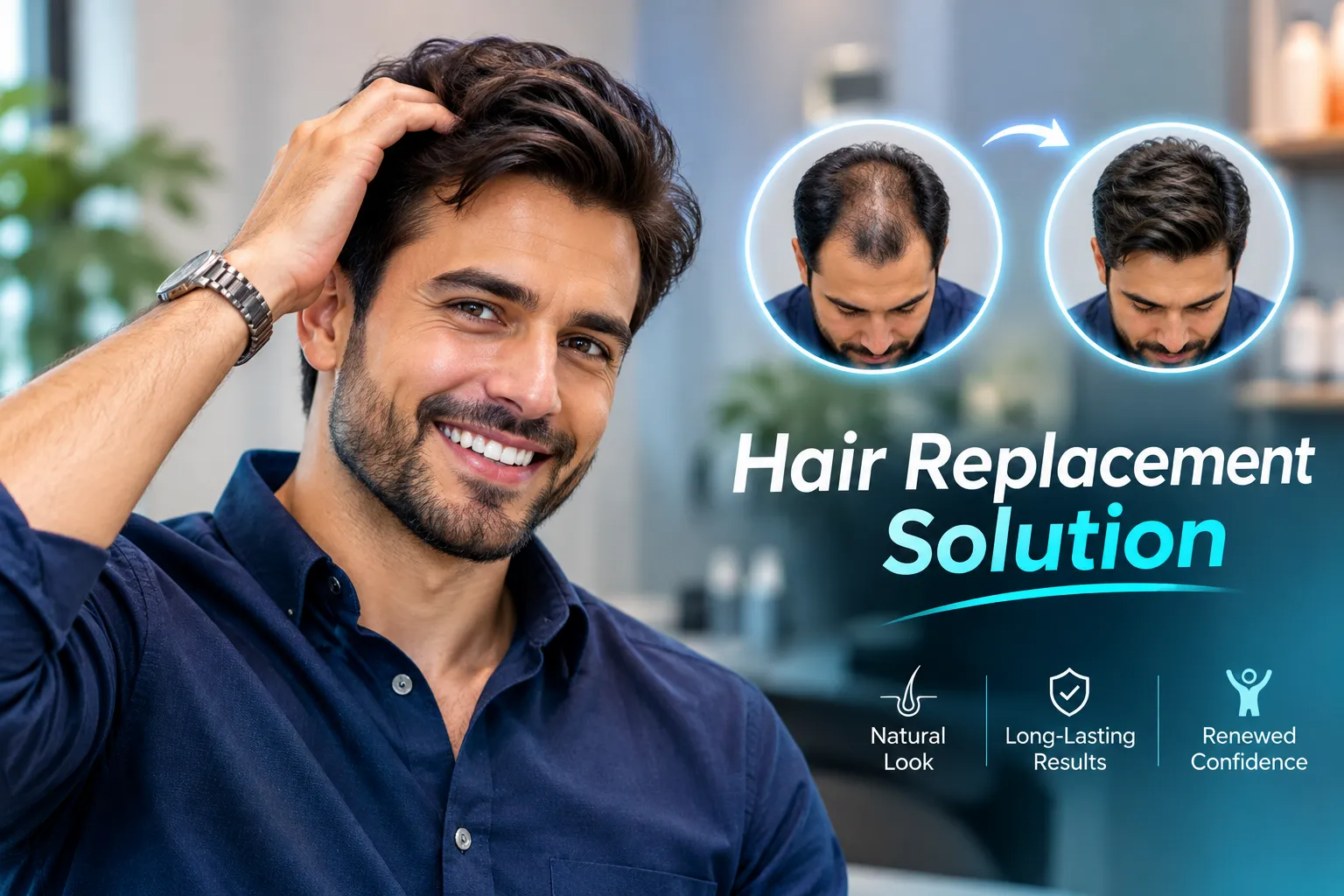
When it comes to hair replacement in Singapore, there are three main options this article covers: non surgical hair systems, surgical hair transplants, and scalp micropigmentation. Each works differently, suits different people, and carries a different cost and maintenance commitment. The confusion usually starts because the industry uses terms like “hair implants,” “hair patches,” and “hair systems” to mean quite different things, and that is not your fault for finding it muddling. This article unpacks each option clearly so you can walk into a consultation at any hair replacement specialist, including our team here at HairSpec, knowing exactly what to ask.
Key takeaways
Three main pathways: Non-surgical hair systems, hair transplants, and scalp micropigmentation are the core options covered here. Each differs in invasiveness, cost, and maintenance.
Immediate vs. gradual results: A non-surgical hair system provides cosmetic coverage from the first fitting. A hair transplant takes 6 to 12 months for full results to develop.
“Hair implants” needs clarification: The term can describe transplanted follicles or artificial synthetic fibres, which carry very different risk profiles.
Start with a scalp assessment: A thorough consultation before any commitment is a natural starting point, and HairSpec offers this free of charge.
What are the main hair replacement options in Singapore?
The three pathways most people are actually choosing between
A non-surgical hair system is a custom unit made with human or synthetic hair on a lace, polyurethane, or hybrid base, attached to the scalp using adhesive, tape, clips, or vacuum suction. It provides immediate cosmetic coverage, not biological regrowth. Wigs and toupees sit at the more removable end of this same category.
A hair transplant is a surgical redistribution of your own living follicles from a donor area, typically the back or sides of the scalp, to thinning or balding zones. Scalp micropigmentation (SMP) uses pigment deposited into the scalp to replicate the look of hair follicles or add density, without producing growing hair.
Why “hair implants” can mean two very different things
Some providers use “hair implants” to describe transplanted follicles, which are your own living hair moved from one part of your scalp to another. Others use the same phrase to mean artificial synthetic fibres implanted directly into the scalp, a very different procedure with a considerably more complicated risk profile, including potential foreign-body reactions, chronic inflammation, infection, and the need for removal.
Before agreeing to anything described as “hair implants,” ask the provider exactly which material is being used, whether it is regulated, and what the removal process looks like if complications arise. This one question can save you a great deal of trouble.
A side-by-side comparison of the main options
| Feature | Non-surgical hair system | Wigs and toupees | Hair transplant (FUE/FUT) | Scalp micropigmentation |
| Surgery required | No | No | Yes | No |
| Time to visible result | Same day | Same day | Full results at 6 to 12 months | A treatment course typically requires 2 to 4 sessions |
| Maintenance commitment | High (professional refit every 2 to 4 weeks) | Low to moderate (removable) | Low after healing | Low (touch-up needs vary by individual) |
| Donor hair needed | No | No | Yes | No |
| Reversible | Yes | Yes | Not Fully | Pigment fades over time; removal is possible but results vary |
| Best suited to | Pattern loss, diffuse thinning, those avoiding surgery | Temporary loss, style changes, medical hair loss | Stable pattern loss with adequate donor supply | Extensive loss, low-maintenance preference |
How does a non-surgical hair system actually work?
What goes into a custom hair system
The base material matters a great deal, especially in Singapore’s humidity. Lace is breathable and cooler, making it generally more comfortable for full-time wear here. Polyurethane bases are more durable and easier to clean, but can feel warmer. Hybrid designs try to balance both qualities. Attachment methods, whether medical-grade adhesive, tape, clips, or vacuum suction, affect how long the bond holds and how often you need a professional refit.
Colour, density, and texture can all be matched to your existing hair. At HairSpec, our Nanospec Hair Replacement Technology delivers a natural-looking result without surgery.
The fitting process from first visit to finished look
The process typically starts with a scalp assessment and measurement, followed by base selection, hair matching, and then cutting and blending by a specialist. Once the system is attached, the specialist tests the hold, checks the hairline, and walks you through how to clean and maintain the system at home. Think of it as an ongoing partnership with your salon rather than a single transaction, the relationship continues well beyond that first fitting.
Who is a good candidate for a hair system?
Non-surgical hair systems suit a wide range of people. That includes men and women with pattern hair loss and those with diffuse thinning, as well as people whose donor supply is insufficient for a transplant and those who prefer to avoid surgery entirely. They are also worth considering during temporary loss related to medical treatment.
One important caveat: if your hair loss is sudden, patchy, rapidly worsening, or accompanied by scalp pain, burning, or sores, see a dermatologist before choosing a cosmetic system. Covering the scalp may delay the diagnosis of a treatable underlying condition.
What do hair transplants and scalp micropigmentation offer that a hair system doesn’t?
Hair transplants: what FUE and FUT actually do
Both FUE and FUT relocate your own living follicles from a donor area to thinning or balding zones. FUE extracts individual follicles using a small punch; FUT removes a strip of donor scalp and divides it into grafts. FUE is more widely available in Singapore and has largely replaced FUT in routine practice, though FUT remains an option for cases requiring a large number of grafts in a single session.
Neither method creates new follicles or stops ongoing hair loss in untreated areas. Full results typically take 6 to 12 months to develop. Candidates need adequate donor density and realistic expectations about final coverage, since a transplant cannot guarantee complete density across a large balding area.
Scalp micropigmentation: a non-surgical option worth understanding separately
SMP uses pigment deposited into the scalp using needles to replicate the appearance of hair follicles, creating the look of density or a closely cropped style. It is a non-surgical procedure, requires no donor hair, and suits people with extensive loss who prefer a low-maintenance solution. Results can last several years, though longevity and the need for touch-ups vary between individuals.
What does maintenance really look like, and how does Singapore’s climate affect it?
How often does a hair system need professional servicing?
Each service involves removing the system, cleaning adhesive residue and scalp buildup, inspecting the base, and reattaching. Singapore’s heat and humidity increase perspiration, which softens adhesive faster, so scheduling a refit before the bond weakens is always better than waiting for slippage.
How long does a hair system last before it needs replacing?
Based on approximate system lifespans cited by providers including Aremyhair and hairreplacement.sg: fine or ultra-thin systems typically last one to three months; lace systems commonly run three to five months with full-time wear; polyurethane systems last roughly four to six months; and hybrid or sturdier
bases can reach four to nine months with careful use. Lifestyle factors such as daily swimming, vigorous exercise, and strong sun exposure all shorten lifespan. Lace breathes better in Singapore’s heat but wears faster than thicker bases, that is the core trade-off you will need to weigh up.
Day-to-day care at home
Use mild, sulphate-free products formulated for hair systems, pat dry rather than wring, and keep conditioner and oily products away from the base and knots. Rinse thoroughly after swimming in chlorinated or salt water, and use UV protection when spending extended time outdoors. These small habits make a real difference to how long your system holds up between professional visits.
How much does hair replacement cost in Singapore, and what should you compare?
Upfront costs and what affects them
Ready-made or basic systems typically run S$488 to S$988, according to pricing data from efreshme and Aremyhair Solutions. Custom human-hair systems commonly cost S$1,200 to S$2,000, with high-end or extensively customised options reaching S$3,000 to S$5,000 or more, based on figures from efreshme for custom systems and Aremyhair Solutions for premium packages. Maintenance sessions run approximately S$85 to S$90 per visit, as cited by Aremyhair and bestinsingapore.co.
Why the real cost is in the ongoing commitment
Most people focus on the upfront price and underestimate the annual outlay. Ongoing annual costs typically run S$1,000 to S$3,000, based on estimates from Urban Living, excluding premium or frequently replaced systems, and replacement frequency can materially affect either total. When comparing quotes from hair replacement specialists in Singapore, check whether consultation, fitting, blending, adhesive, refitting, and GST are included, and ask clearly about the recommended replacement schedule.
What hair transplants and SMP typically cost in comparison
Hair transplants carry higher upfront costs and lower ongoing maintenance costs once grafts have healed, though reliable published price ranges for Singapore vary considerably by clinic and treatment scope. SMP costs depend on the coverage area and the number of sessions required. The right choice is not always the cheapest one upfront, it depends on how much ongoing management you are comfortable with and what result you genuinely need.
How do you choose the right specialist, and where do you start in Singapore?
What to look for in a hair replacement specialist
A credible specialist should offer a private, thorough consultation before recommending anything. They should assess your scalp condition and discuss likely causes of your hair loss, and if the cause is uncertain, accompanying symptoms are concerning, or the loss is sudden or patchy, it is worth seeing a qualified dermatologist or clinician rather than relying solely on a salon assessment. A good specialist will explain all suitable options clearly, provide transparent pricing with a full breakdown, and set realistic expectations about results and maintenance. Be cautious of any provider who recommends a specific product immediately without first examining your scalp or discussing alternatives.
Why starting with a free scalp assessment makes sense
With more than 20 years of experience as a Singapore-based hair loss and hair replacement specialist, HairSpec offers a free scalp assessment designed to identify the most suitable option for your situation, whether that is a non-surgical hair system using Nanospec technology, scalp micropigmentation, a hair transplant, or a wig or toupee. HairSpec offers its services in a private, comfortable salon centre. The assessment is the low-commitment first step before any financial or procedural decision.
Questions to ask before you commit to anything
Before agreeing to any procedure or purchase, ask the provider for the exact name and type of procedure being recommended and what credentials the specialist holds. Find out what is included in the quoted price, what the realistic maintenance schedule and annual cost will be, and what happens if the result does not meet expectations. Ask, too, what the removal or replacement process looks like. These questions apply regardless of which specialist you visit or which solution you are considering. Going in prepared turns the consultation into a learning conversation rather than a sales interaction, and that shift in dynamic will serve you well.
There is no single right answer, and that is fine
A non-surgical hair system may suit someone who wants immediate coverage they can control. A transplant appeals to those willing to invest time for a longer-term biological result. SMP fits people who want a defined, low-upkeep look. Where you land depends on your goals, your lifestyle, and how much ongoing commitment you are comfortable with.
The clearest first step is an honest conversation with a specialist who will listen before they recommend. Get in touch with our team to book yours.
Frequently Asked Questions
Yes, a non-surgical hair system does not require donor hair. It can provide cosmetic coverage from your first fitting without surgery.
You should see a dermatologist first if your hair loss is sudden, patchy or rapidly worsening, or if you have scalp pain, burning or sores. Covering your scalp could delay the diagnosis of a treatable underlying condition.
A lace base is generally cooler and more comfortable for full-time wear in Singapore’s humidity. Polyurethane is more durable and easier to clean but can feel warmer, while hybrid bases balance these qualities.
No, a hair transplant does not stop ongoing hair loss in untreated areas. It moves your own living follicles from a donor area to thinning or balding zones, and full results typically take 6 to 12 months.