

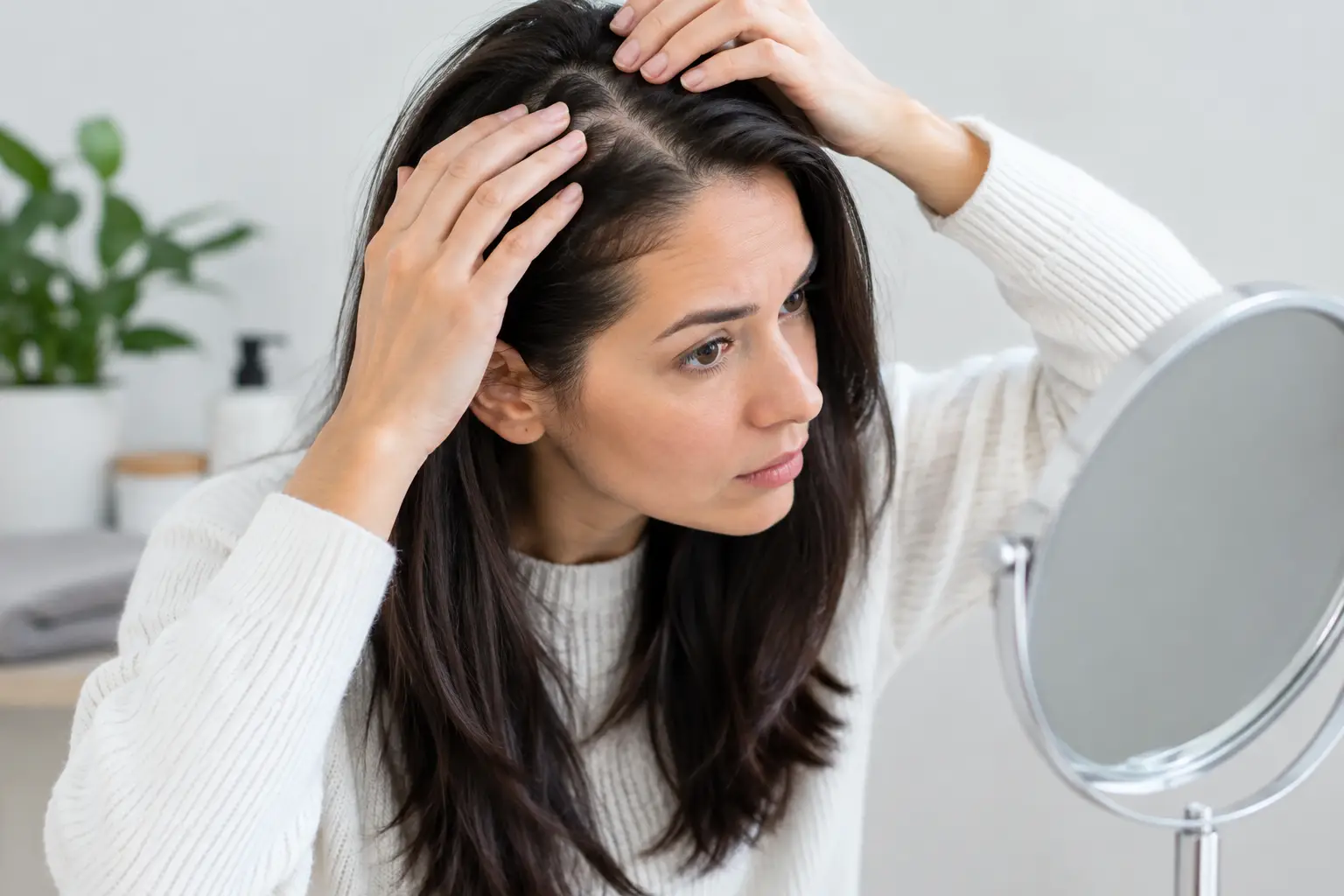
Your scalp can show signs of stress long before hair thinning becomes obvious in the mirror. Persistent itchiness, increased shedding, flakes that return quickly after washing, or a part line that seems wider than usual can all be useful clues. Learning how to assess scalp health helps you respond early, choose hair care more carefully, and know when a professional evaluation may be worthwhile.
A healthy scalp is not necessarily perfectly dry or completely free of oil. It should feel comfortable most of the time, look relatively even in color, and support hair that grows without excessive breakage or shedding. What is normal for one person may not be normal for another, so the most valuable comparison is often your own baseline.
How to Assess Scalp Health at Home
The best time to check your scalp is in bright natural light, with clean, dry hair or hair that has not been heavily styled. Use a handheld mirror, or ask someone you trust to look at the crown and back of your head. Take clear photos of your hairline, center part, temples, and crown every month or two. Consistent photos make gradual changes easier to notice than daily mirror checks.
Start by parting your hair in several areas. Look at the front hairline, temples, center part, crown, and nape. You are looking for visible changes in skin color, scaling, buildup, shine, or hair density. Then use clean fingertips to gently feel the scalp. It should not be painful, unusually hot, tight, or tender to touch.
Pay attention to how your scalp feels between wash days as well. A little oil is normal and protective. However, a scalp that becomes greasy, itchy, sore, or heavily flaky within a short time may need a closer look at your routine or underlying health factors.
Check for changes in scalp appearance
Healthy scalp skin is usually close to your natural skin tone, though slight variation between areas is common. Redness, thick plaques, silvery scaling, yellowish greasy flakes, pimples, sores, or crusting are not details to ignore if they persist.
Dry white flakes can come from dry skin, product buildup, or sensitivity to hair products. Greasy flakes with itching may be more consistent with dandruff or seborrheic dermatitis. These conditions can often be managed, but the right approach depends on the cause. Repeatedly scratching or aggressively exfoliating the scalp can make inflammation worse.
Also look for shiny, smooth areas where hair follicles appear less visible. This is different from a simple wider part or temporary shedding. If the scalp looks scarred, smooth, or noticeably changed in texture, arrange a medical assessment promptly.
Notice shedding, density, and hair caliber
Most people shed some hair every day. Seeing strands in the shower drain or on your pillow is not automatically a sign of hair loss. The concern is a clear change from your usual amount, especially if it continues for several weeks or comes with visible thinning.
Look beyond the total number of hairs shed. Are the hairs becoming finer around the hairline, temples, or crown? Is your ponytail feeling less substantial? Can you see more scalp under overhead lighting? These can be early signs of reduced hair density or follicle miniaturization, particularly in pattern hair loss.
Part your hair in the same place each time you check. A widening center part can be a common early sign of female pattern hair loss, while recession at the temples and thinning at the crown are more common patterns in men. That said, hair loss patterns vary widely. Tight hairstyles, traction from extensions, recent illness, weight changes, stress, medications, and hormonal changes can all affect density and shedding.
Pay attention to scalp sensations
Itching, burning, tenderness, tingling, or a tight feeling can signal irritation or inflammation. Sometimes the explanation is straightforward, such as leaving a styling product on too long, using a new hair dye, or washing with water that is too hot. Other times, ongoing discomfort can accompany dandruff, eczema, psoriasis, folliculitis, or forms of hair loss that need medical attention.
Do not assume discomfort is simply part of having an oily scalp or thinning hair. Hair follicles grow best in an environment that is calm and well cared for. Persistent symptoms deserve a more informed assessment than switching shampoos at random.
Common Scalp Health Signs and What They May Mean
A single symptom rarely provides a diagnosis. The combination, timing, and pattern matter. For example, diffuse shedding several months after a fever, surgery, major stressor, or childbirth may be temporary telogen effluvium. Gradual thinning over years, especially with a family history, can point toward pattern hair loss.
The following signs are worth tracking because they can guide your next step:
- Persistent flakes or itch: This may be product buildup, dandruff, dryness, or a skin condition that benefits from targeted care.
- Redness, bumps, or tenderness: These can be signs of irritation, inflammation, ingrown hairs, or infection and should not be covered up with heavy styling products.
- A widening part or thinning crown: This can suggest pattern hair loss, although lighting, hair color contrast, and styling can make it appear more dramatic.
- Sudden increased shedding: Recent illness, medication changes, nutritional gaps, hormonal shifts, and emotional stress can all play a role.
- Patchy hair loss or smooth bare areas: These require timely medical evaluation, especially if they appear quickly or continue to spread.
Photos and a short symptom record can be surprisingly helpful. Note when you first saw the change, whether it is worsening, any new products or medications, and whether you have experienced illness, stress, or major dietary changes. This information helps a scalp specialist or doctor assess the situation more efficiently.
When Your Hair Care Routine May Be the Problem
Not every scalp concern requires advanced treatment. Sometimes the scalp is reacting to a routine that is too harsh, too heavy, or simply not suited to your skin.
Frequent use of strong clarifying shampoos can leave some scalps dry and reactive. On the other hand, infrequent cleansing combined with oils, dry shampoo, and styling products can lead to buildup. Chemical services, bleaching, heat styling, and tightly secured hairstyles can also compromise comfort and contribute to breakage or traction-related thinning.
Try changing one factor at a time. Use a gentle shampoo suited to your scalp type, rinse thoroughly, avoid scratching with your nails, and give tight styles regular breaks. If a new product causes stinging, redness, or itching, stop using it rather than trying to “push through” an adjustment period.
Nutrition and general health matter too, but avoid self-prescribing high-dose supplements based on shedding alone. Iron deficiency, thyroid conditions, hormonal changes, and other health concerns can contribute to hair loss, and treatment should be based on appropriate medical advice or testing.
When to Seek a Professional Scalp Assessment
Home checks are useful for awareness, but they cannot identify every cause of scalp discomfort or hair loss. Seek professional advice if shedding is sudden or severe, you see distinct bald patches, the scalp is painful or inflamed, or thinning continues despite gentle hair care changes.
A professional scalp assessment looks more closely at hair density, follicle condition, scalp oil balance, visible irritation, and the pattern of loss. It should also consider your medical history, lifestyle, styling practices, and personal goals. This matters because a person with early thinning may benefit from a different approach than someone managing medical hair loss or seeking an immediate cosmetic density solution.
Depending on the findings, options may range from scalp care and low-level laser therapy to restorative treatments, hair replacement, scalp micropigmentation, or a medical referral. The right solution is not always the most intensive one. It is the one that fits the cause, your stage of hair loss, comfort level, and desired result.
HairSpec offers a private scalp assessment designed to help clients understand what is happening before choosing a treatment pathway. That consultation-led approach can be especially reassuring when hair loss feels personal, confusing, or difficult to discuss.
Your scalp does not need to be perfect to be healthy. What matters is noticing changes, treating persistent symptoms with care, and getting informed support before a small concern becomes a bigger source of stress.