

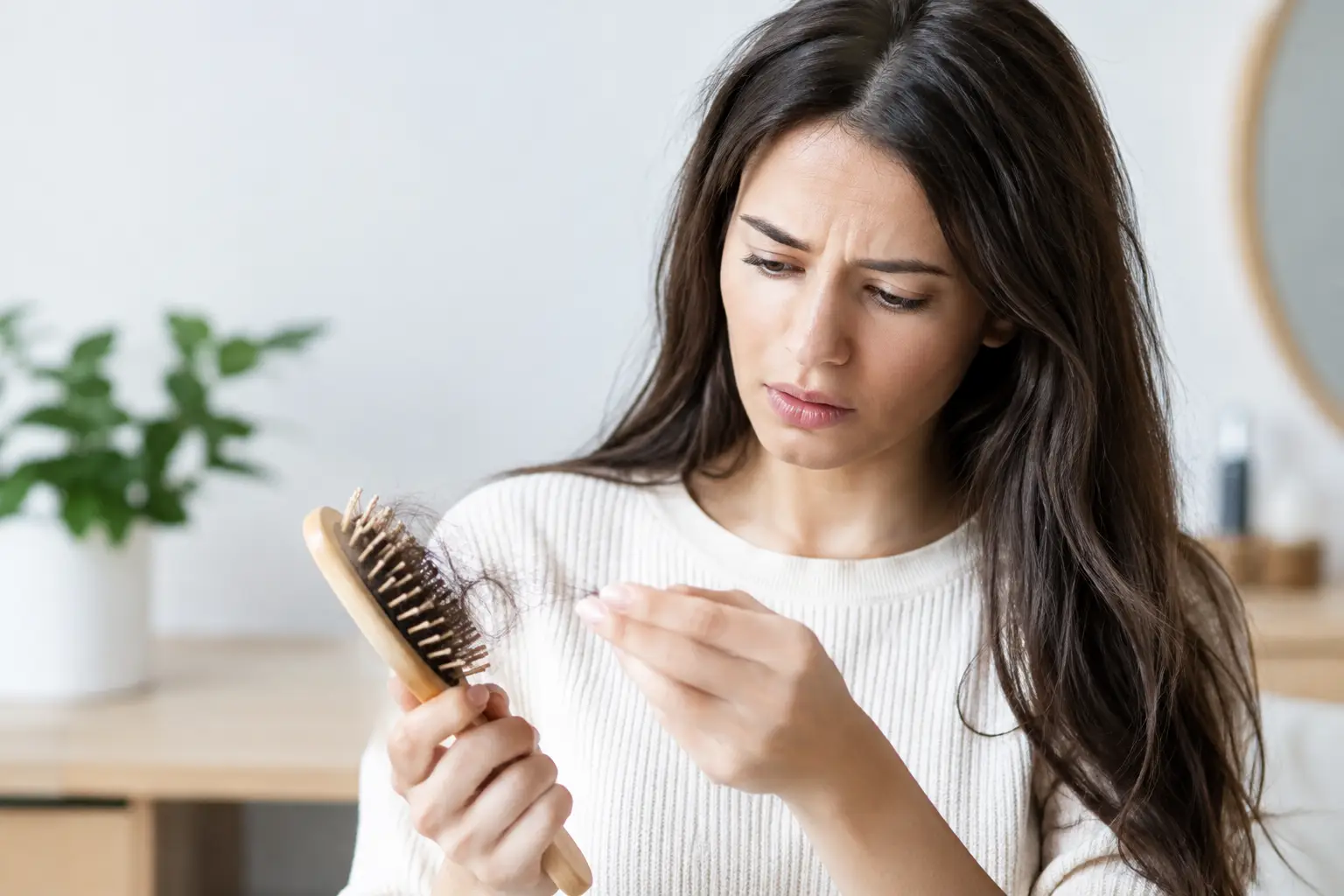
Seeing a larger-than-usual amount of hair in the shower drain or on your pillow can feel alarming, especially when it seems to happen overnight. What causes sudden hair shedding is often a disruption to the hair growth cycle rather than permanent hair loss. The key is to identify the timing, pattern, and possible trigger so you can respond with clarity rather than panic.
Most people naturally shed around 50 to 100 hairs a day. That number can vary with washing habits, hair length, and styling routine. Sudden shedding becomes more noticeable when many follicles shift into the resting phase at the same time, causing hairs to release several weeks or months later.
What Causes Sudden Hair Shedding?
The most common explanation is telogen effluvium, a temporary form of shedding that occurs after the body experiences physical or emotional stress. Hair has its own growth rhythm: it grows, pauses, sheds, and begins again. When a significant event interrupts that rhythm, more hairs than usual can enter the shedding phase together.
This type of hair loss usually appears as diffuse thinning across the scalp rather than a distinct bald patch. You may notice less fullness in a ponytail, more visible scalp at the part line, or extra hair while brushing. It can be unsettling, but follicles are generally still healthy and capable of producing new hair once the underlying trigger is addressed.
Illness, fever, surgery, and recovery
A high fever, infection, hospitalization, major surgery, or a demanding recovery period can place stress on the body. The shedding often begins two to three months after the event, which can make the connection easy to miss. Even after you feel physically well again, your hair may still be responding to what happened earlier.
This delayed pattern is one reason a detailed consultation matters. Looking only at the previous week rarely reveals the full picture. A specialist will usually ask about changes over the past several months, including illnesses, procedures, and periods of poor sleep or rapid weight change.
Emotional stress and prolonged pressure
Stress does not cause every case of hair loss, but prolonged emotional strain can contribute to shedding in some people. A difficult work period, bereavement, relationship changes, caregiving responsibilities, or ongoing anxiety may affect sleep, appetite, hormones, and overall recovery. Those factors can influence the hair cycle.
Stress-related shedding is not a sign that you have done anything wrong. It is a physical response, and it often improves when the source of strain eases and your body has time to rebalance. Still, stress can also expose an underlying tendency toward pattern hair loss, particularly if thinning runs in the family.
Diet changes, weight loss, and nutritional gaps
Hair production requires energy, protein, iron, zinc, and other nutrients. Restrictive diets, rapid weight loss, skipped meals, appetite changes, or poor absorption can leave the body with fewer resources for nonessential functions such as hair growth.
Low iron stores are a frequent concern, especially for people with heavy menstrual periods or limited dietary iron intake. Low protein intake and deficiencies involving vitamin D, B12, or zinc may also be relevant in some cases. Supplements are not automatically the answer. Taking high doses without identifying a need can be unhelpful or even counterproductive. A medical professional can advise whether blood tests are appropriate.
Hormonal changes and thyroid conditions
Hormones have a powerful influence on hair density. Pregnancy, childbirth, stopping hormonal contraception, perimenopause, menopause, and changes in thyroid function can all alter the hair cycle. Postpartum shedding, for example, commonly starts a few months after delivery and can look dramatic, even though it is often temporary.
Thyroid conditions may be associated with shedding, dry or brittle hair, changes in energy levels, and weight fluctuations. If hair loss occurs alongside symptoms such as persistent fatigue, feeling unusually hot or cold, irregular periods, or unexplained weight change, a physician should evaluate the broader health picture.
Medications and medical treatments
Some medications can contribute to hair shedding, including certain treatments for blood pressure, mood disorders, acne, blood clotting, thyroid disease, and other conditions. Cancer treatments can also affect hair growth, although the pattern and degree of loss vary by treatment.
Do not stop a prescribed medication because of hair loss without speaking to the prescribing clinician. In many cases, there may be an alternative medication, a dosage adjustment, or a supportive plan for managing the appearance of thinning while treatment continues.
Scalp conditions and hair breakage
Not every apparent shedding issue begins inside the follicle. Dandruff, scalp inflammation, psoriasis, fungal infections, or product buildup can create itchiness and irritation that affect scalp comfort and hair handling. Hair may also be breaking rather than shedding from the root due to bleaching, frequent heat styling, chemical straightening, tight extensions, or high-tension hairstyles.
The difference matters. Shed hairs often have a tiny white club-shaped bulb at one end, while broken strands tend to be shorter and lack that bulb. A scalp assessment can help distinguish between shedding, breakage, and a scalp concern that needs medical attention.
When Sudden Shedding May Be Pattern Hair Loss
Sudden shedding and hereditary hair loss can happen at the same time. Androgenetic alopecia, commonly called male or female pattern hair loss, develops gradually but may become more visible after a shedding episode. In men, this often appears as recession at the hairline or thinning at the crown. In women, the center part may widen, and overall density may slowly reduce.
Unlike temporary telogen effluvium, pattern hair loss involves progressive miniaturization of follicles. Early support can make a meaningful difference because it focuses on preserving existing hair and creating a fuller-looking result before thinning becomes more advanced.
A professional assessment is especially useful when shedding lasts longer than six months, density continues to decline, or there is a strong family history of thinning. The right option depends on your scalp condition, the cause of loss, the amount of donor hair available, and the outcome you want. Some people benefit from low-level laser therapy or medical treatment under physician guidance, while others prefer non-surgical hair replacement, scalp micropigmentation, or carefully matched hair systems for immediate cosmetic coverage.
Signs You Should Seek Medical Advice Promptly
Diffuse shedding after a stressful event is often manageable, but certain symptoms deserve faster medical evaluation. Seek professional advice if you notice round or sharply defined bald patches, scalp pain, redness, scaling, pus, or intense itching. These signs may point to conditions such as alopecia areata, infection, or inflammatory scalp disease rather than routine shedding.
It is also wise to speak with a doctor if shedding is accompanied by fatigue, unexplained weight changes, irregular periods, new facial hair growth, or other hormonal symptoms. Hair can be an outward clue to an internal health issue, and treating the cause is more valuable than masking the symptom alone.
What You Can Do While Your Hair Recovers
Be gentle with your hair, but do not become afraid to wash it. Washing removes hairs that have already completed their shedding phase; it does not create the shedding itself. Use a mild shampoo suited to your scalp, detangle carefully, limit high-heat styling, and avoid tightly pulled styles that add traction to fragile strands.
Aim for regular meals with adequate protein and a varied nutrient intake. If stress has been a factor, prioritize realistic recovery habits such as consistent sleep, movement, and support from people you trust. These steps will not force instant regrowth, but they create better conditions for your body and hair to recover.
Photos can be more useful than daily mirror checks. Take clear images of your part line, temples, and crown once a month in similar lighting. This helps you notice whether shedding is settling, density is stabilizing, or thinning is progressing over time.
At HairSpec, a private scalp assessment can help clarify what you are seeing and discuss solutions that fit your lifestyle, from supportive non-invasive options to natural-looking coverage while regrowth takes time. You do not have to wait until hair loss feels overwhelming to ask for professional guidance. A calm, early assessment can replace uncertainty with a plan that respects both your health and your confidence.