

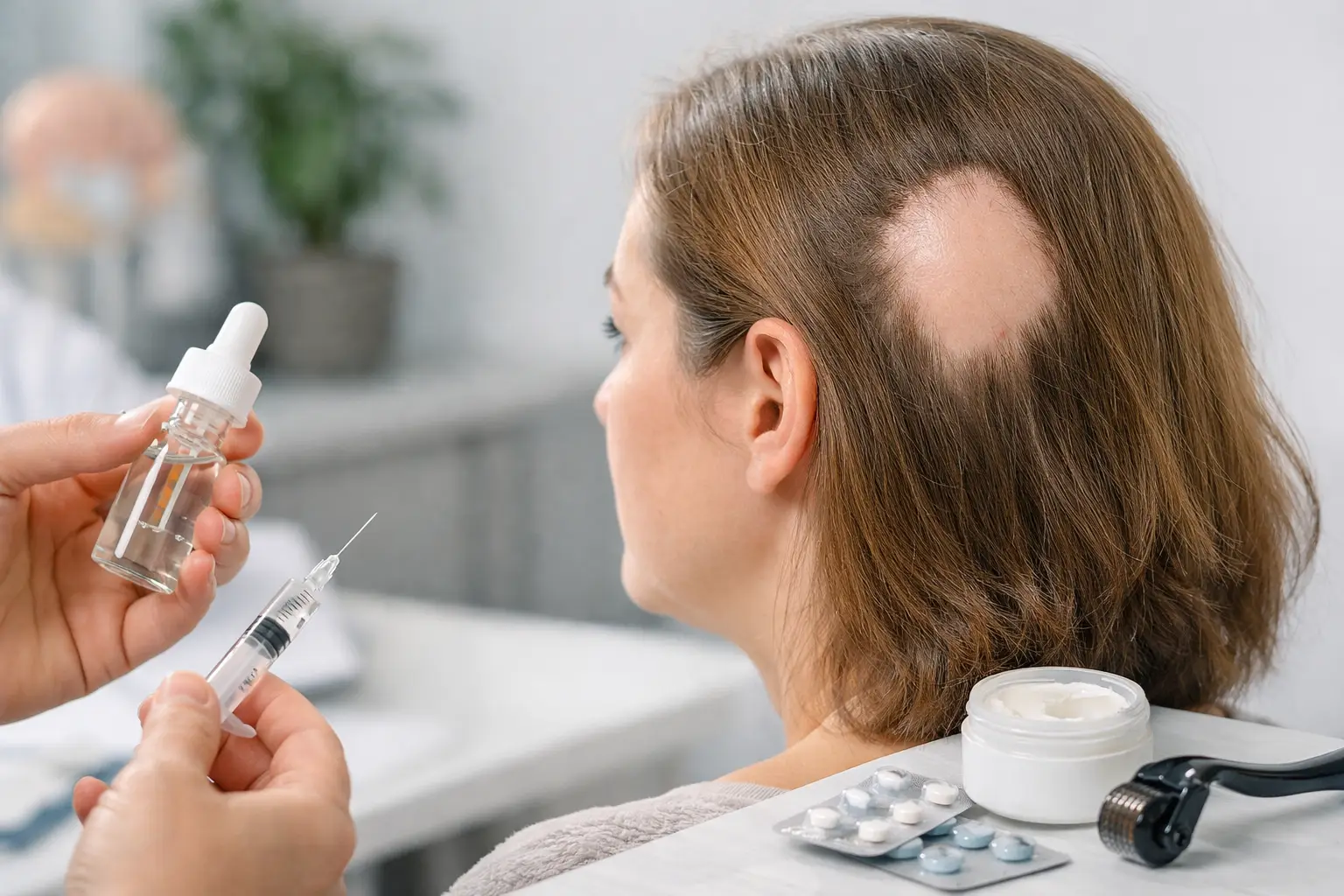
A smooth, round patch of hair loss can feel alarming, especially when it appears without warning. Alopecia areata is not caused by poor hair care, and it is not something you should have to simply accept. The best treatments for alopecia areata depend on how much hair has been lost, where it has occurred, how quickly it is progressing, and whether the goal is medical regrowth, immediate coverage, or both.
A thoughtful plan starts with an accurate diagnosis. Alopecia areata is an autoimmune condition in which the immune system targets hair follicles, interrupting the growth cycle. The follicles are usually still alive, which means regrowth is possible. However, the condition can be unpredictable: some people experience one small patch that regrows, while others have recurring or more extensive loss affecting the scalp, beard, eyebrows, eyelashes, or body hair.
Best Treatments for Alopecia Areata: Start With the Right Assessment
A dermatologist should confirm that hair loss is truly alopecia areata rather than fungal infection, traction-related loss, pattern hair loss, scarring alopecia, or another condition. The examination may include a close look at the scalp and hairs, a review of medications and medical history, and blood tests when symptoms suggest an underlying thyroid condition, nutritional concern, or other autoimmune issue.
This step matters because treatment is not one-size-fits-all. A person with one or two small patches may need a very different approach from someone losing most of their scalp hair. Your clinician will also consider age, pregnancy plans, other health conditions, and the emotional impact of visible hair loss.
For small, recent patches, there is also a possibility of spontaneous regrowth. Waiting can be reasonable in selected cases, but many people prefer treatment or cosmetic coverage while monitoring changes. Neither choice is wrong. The right choice is the one that balances medical needs, comfort, and confidence.
Medical Treatments That Can Encourage Regrowth
Corticosteroid injections for limited patches
For adults with patchy alopecia areata, corticosteroid injections into affected areas are often among the first treatments considered. A dermatologist uses a fine needle to place a small amount of medication beneath the skin, helping calm immune activity around the follicles. Treatments are commonly repeated every four to six weeks, and early regrowth may become visible over several months.
This option can be effective for small areas, including the scalp or beard, but it is not ideal for widespread hair loss. Temporary tenderness, skin thinning, or small indentations can occur, particularly if the medicine is injected too superficially or too frequently. Skilled technique and appropriate spacing are essential.
Topical corticosteroids
Prescription-strength steroid lotions, foams, creams, or solutions may be used when injections are not suitable or as part of a combined plan. They are often easier to use over broader areas and can be especially practical for children under medical supervision.
Topical steroids are generally less potent than injections for isolated scalp patches, and results vary. They must be used exactly as directed, since prolonged or excessive use can cause skin thinning, acne-like bumps, or changes in skin color.
JAK inhibitors for severe alopecia areata
For severe or extensive alopecia areata, oral JAK inhibitors have changed the treatment conversation. These prescription medications work by interrupting immune signaling involved in follicle attack. Several have been approved in the United States for appropriate patients with severe alopecia areata, including baricitinib, ritlecitinib, and deuruxolitinib.
Some patients see meaningful scalp regrowth with these medications, but they are not a casual first step. JAK inhibitors can carry risks such as infections, changes in blood counts or cholesterol, blood clots, and cardiovascular concerns in certain individuals. A dermatologist will review your personal risk factors, conduct baseline testing, and monitor you throughout treatment.
They also require patience. Regrowth may take months, and continued treatment may be needed to maintain results. For someone with rapidly progressive or extensive loss, though, they may offer a stronger medical option than topical treatments alone.
Contact immunotherapy and other specialist options
When alopecia areata is extensive or resistant to simpler treatment, some dermatology centers use contact immunotherapy. A clinician applies a chemical to create a controlled allergic reaction on the scalp, with the aim of redirecting immune activity and encouraging hair growth. It requires regular appointments and careful follow-up, and irritation, itching, and swollen lymph nodes can occur.
Short courses of oral corticosteroids may also be considered for sudden, rapidly spreading alopecia areata. They can suppress inflammation quickly, but relapse after stopping is common and long-term oral steroid use has significant side effects. For that reason, they are usually a temporary measure rather than a long-term solution.
Minoxidil may be recommended as an add-on in some cases. It can support the growth phase of hair and may improve the appearance of regrowth, but it does not address the autoimmune cause of alopecia areata on its own. It is most useful when paired with a treatment plan designed by a clinician.
Treatments That Need a Careful Reality Check
Hair loss is emotional, which makes bold promises especially tempting. Be cautious with supplements, oils, shampoos, and devices marketed as cures for alopecia areata. Unless a blood test identifies a true deficiency, vitamins alone are unlikely to restart hair growth in autoimmune hair loss.
Low-level laser therapy may be helpful for some types of hair thinning, particularly pattern hair loss, but evidence for alopecia areata is limited. It should not replace dermatologic treatment when active autoimmune hair loss is present.
Hair transplantation is usually not the first choice for alopecia areata. Because the condition can reactivate and affect transplanted hair, surgeons generally want the disease to be stable for a substantial period before even considering it. A transplant may be appropriate in carefully selected, stable cases, but it is not a solution for active patchy loss.
Restoring a Fuller Look While You Wait for Regrowth
Medical treatment and appearance support do not have to be separate decisions. Hair regrowth takes time, and even successful treatment may be uneven at first. Natural-looking coverage can help you feel more like yourself while your medical plan develops.
For small scalp patches, scalp micropigmentation can reduce the contrast between exposed skin and surrounding hair, creating the visual effect of greater density. It can be particularly useful for closely cropped styles or for blending diffuse thinning, though it does not grow hair and should be performed only after discussing active scalp inflammation with a qualified provider.
For larger areas of loss, a high-quality medical wig, hair topper, or non-surgical hair replacement system can provide immediate coverage. The best option should feel secure, comfortable, breathable, and realistic in your everyday life. Color matching, hairline design, density, and maintenance all shape whether the result feels natural.
Eyebrow and eyelash loss deserve equal attention. Temporary brow products, brow pieces, false lashes, and carefully selected cosmetic techniques can restore facial framing without interfering with medical treatment. For many people, these details make a significant difference in confidence at work, social events, and photographs.
At HairSpec, a private scalp assessment can help clients understand which cosmetic solutions fit their current hair loss pattern while they coordinate medical care with a dermatologist. The goal is not to disguise a health concern, but to give you practical control over your appearance during an uncertain process.
When to Seek Help Quickly
Arrange a dermatology appointment promptly if patches are spreading quickly, you are losing eyebrows or eyelashes, your scalp is painful, itchy, scaly, or scarred, or hair loss is affecting your emotional well-being. Children and teenagers should also be assessed early, as treatment choices and safety considerations differ by age.
Take photos in consistent lighting every few weeks rather than checking the mirror constantly. This gives you and your clinician a clearer view of whether loss is progressing and whether treatment is helping. It can also make subtle regrowth easier to recognize.
Alopecia areata can test your patience, but you are not limited to waiting and worrying. With specialist diagnosis, realistic medical options, and a coverage solution that feels right for you, it is possible to move through the process with greater comfort and confidence.