

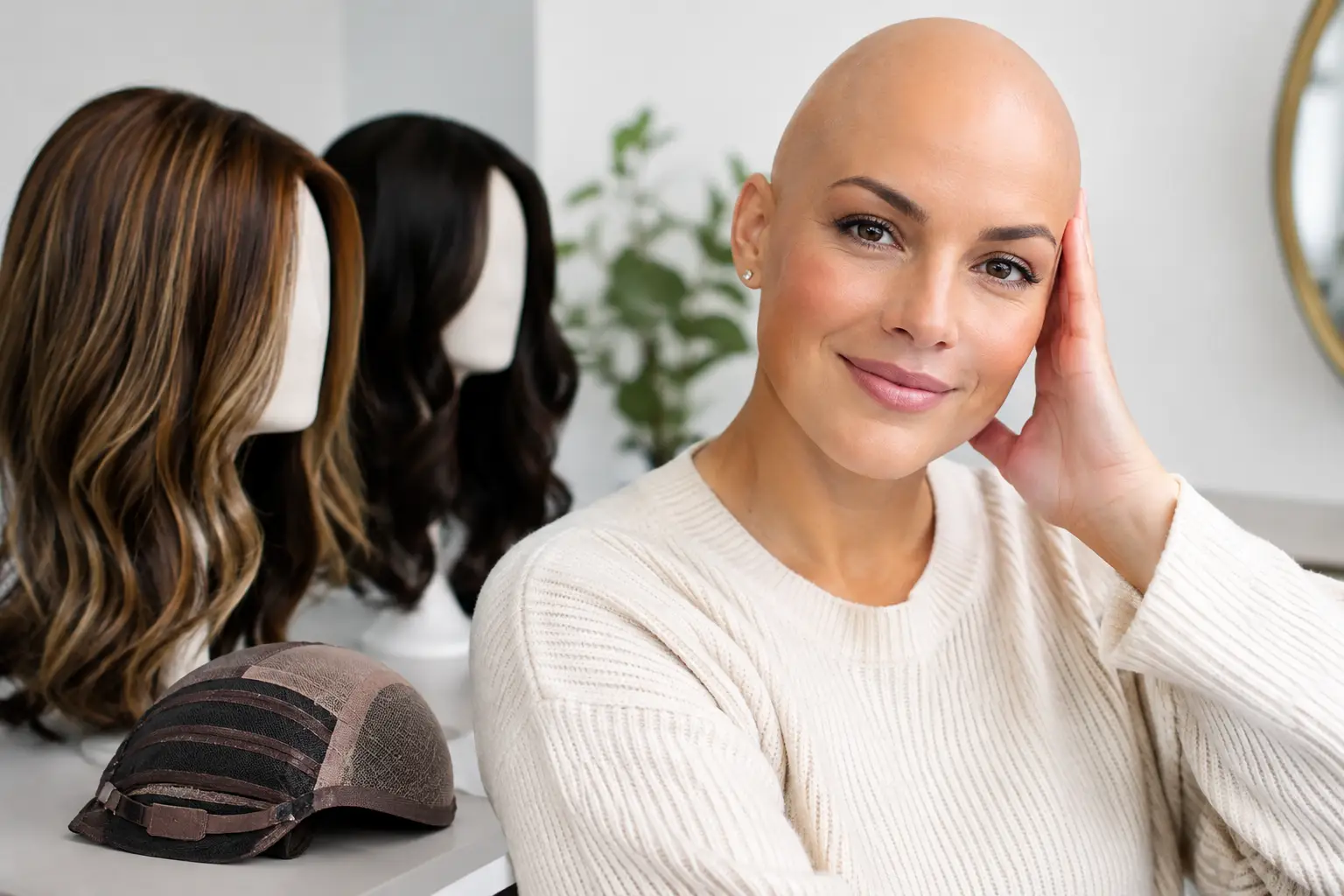
A wig can do more than cover hair loss. When it fits well, feels comfortable, and suits the way you want to look, it can make getting ready for work, social plans, or a quiet day out feel less complicated. This guide to alopecia wig coverage explains how to choose a wig that provides the right level of coverage while looking believable from every angle.
Alopecia affects people differently. Some experience small, defined patches, while others have diffuse thinning or extensive hair loss across the scalp. The right wig is not simply the one with the most hair. It is the one that matches your coverage needs, scalp sensitivity, lifestyle, and personal style without creating unnecessary discomfort.
Start With the Type of Alopecia and Coverage Needed
Before choosing a wig, consider where hair loss is happening and whether it is stable, progressing, or temporary. Alopecia areata may create round or irregular patches that can sometimes be concealed with a partial hairpiece. Diffuse hair loss may call for a topper or fuller-density wig, while alopecia totalis and alopecia universalis often require complete scalp coverage.
This distinction matters because more coverage is not always better. A full wig may offer security and simplicity for extensive hair loss, but it can feel warmer than a smaller integration piece. Conversely, a topper can blend beautifully with existing hair, yet it needs enough healthy hair for clips or other attachment methods. A specialist consultation can help determine which option will remain secure without placing stress on fragile strands.
Hair loss can also change over time. If you are experiencing active shedding, selecting a flexible solution may be more practical than committing immediately to a highly customized attachment method. The goal is to give you control over your appearance while leaving room to adjust as your needs evolve.
A Guide to Alopecia Wig Coverage by Cap Type
The cap is the foundation of a wig. It affects how natural the hairline appears, how the wig sits against the scalp, and whether it remains comfortable through a full day. For people with alopecia, cap construction is often as important as hair fiber, length, or color.
Lace Front Caps for a Soft Hairline
A lace front wig uses fine, sheer material along the front hairline. Individual hairs are attached to the lace, creating the appearance that hair is growing from the scalp. This is especially useful if you like to wear hair away from your face or part it near the front.
Lace fronts can look exceptionally natural, but they require careful handling. The lace is delicate, and adhesive use should be considered thoughtfully if your scalp is sensitive or irritated. Some people prefer a glueless fit with adjustable straps, while others benefit from medical-grade tape or adhesive applied by an experienced professional.
Monofilament Tops for Flexible Parting
A monofilament top creates a realistic scalp-like appearance at the crown and parting area. Hairs are individually tied into a fine mesh material, allowing the wig to be parted in more than one direction. This can be valuable for anyone who wants a natural-looking part instead of a fixed, pre-set style.
Monofilament caps are often a strong option for alopecia because they tend to feel lighter and less bulky at the top. However, comfort still depends on the specific materials used and the sensitivity of your scalp.
Hand-Tied and Medical Wig Caps for Comfort
Hand-tied caps have individually secured hairs throughout much or all of the cap. They move more naturally and can be particularly comfortable for people without hair underneath the wig. Because the cap is soft and lightweight, it is less likely to feel stiff or overly dense.
Medical wig caps are designed with sensitive scalps in mind. They commonly use smooth linings, minimal seams, and breathable materials to reduce friction. If you have scalp tenderness due to alopecia, treatment, or frequent shaving, this construction can make a meaningful difference in daily comfort.
Basic Caps for Occasional Wear
A basic wefted cap is usually more affordable and can provide attractive coverage for occasional use. It often has open spaces between wefts for ventilation, but it may have more noticeable seams and less flexibility in styling. For a first wig or a backup option, it can be practical. For daily wear with a very sensitive scalp, a higher-comfort cap may be worth the investment.
Choosing the Right Density and Length
A common concern is choosing a wig that looks full without looking like too much hair. Natural-looking coverage usually comes from appropriate density, not maximum volume. If your natural hair was fine or medium density before hair loss, an extremely thick wig may feel unfamiliar and draw more attention than you want.
Medium density works well for many adults because it creates fullness while allowing movement. Lower density can look refined and realistic, particularly in shorter styles. Higher density may suit those who enjoy a more glamorous look, but it can feel warmer in humid conditions and require more styling.
Length also affects comfort and maintenance. A short bob or layered crop is generally easier to care for and less likely to tangle. Longer wigs offer styling versatility but need more detangling and may feel heavier around the neck. There is no universally correct choice. The best style is one you will genuinely feel comfortable wearing regularly.
Fit Is What Makes Coverage Feel Secure
Even the most beautifully made wig can feel distracting if it shifts, pinches, or creates pressure points. Accurate measurements are essential. Most wigs are available in petite, average, and large sizes, but head shape matters as much as circumference.
Measure around the hairline, from front to nape, and from ear to ear across the crown. If you have no hair, a soft cotton wig liner can add gentle cushioning and help absorb perspiration. If you have partial hair, a silicone grip band, discreet clips, or adjustable straps may provide enough security without the need for adhesive.
For active days, travel, or humid weather, test the wig at home before relying on it for an important occasion. Turn your head, bend down, and move naturally. A secure wig should not require constant checking or adjustment. If it does, the issue may be cap size, attachment method, or placement rather than the wig itself.
Human Hair or Synthetic Hair: Consider Daily Life
Human hair wigs provide realistic movement and can be heat styled, colored, and customized more freely. They are a popular choice for long-term wear because they can be tailored to suit your preferred look. The trade-off is that they need regular washing, conditioning, and styling, much like natural hair.
Modern synthetic wigs are convenient because they hold their style after washing and often require less day-to-day effort. They can be a sensible choice for busy professionals or for anyone wanting a ready-to-wear style. However, many synthetic fibers have limitations around heat, and lower-quality options may develop shine or friction-related frizz over time.
Some people keep both: a human hair wig for frequent wear and a synthetic option for travel, exercise, or a quick change of style. This approach is not necessary, but it can make wig ownership feel more flexible.
Care That Protects Your Wig and Your Scalp
Wash a wig according to its fiber type and how often you wear it. Daily wear does not always mean daily washing. Overwashing can shorten the lifespan of the hair and dry out the cap materials. In many cases, washing after every 8 to 12 wears is appropriate, though exercise, humidity, and product use may mean more frequent care is needed.
Use products made for the specific wig fiber, and avoid heavy oils near the base of the cap. Store the wig on a stand when possible to preserve its shape. If your scalp is dry, flaky, or sore, address that separately with gentle scalp care and professional advice rather than applying heavy products beneath the wig.
A specialist can also trim, reshape, or personalize a wig after purchase. Small adjustments around the fringe, face frame, and nape often transform a good wig into one that feels like your own hair.
Choosing alopecia wig coverage is personal, and you do not need to settle for a style that merely hides hair loss. With the right cap, fit, density, and professional support, a wig can become a comfortable, natural-looking part of your routine – one that helps you show up as yourself, on your own terms.