

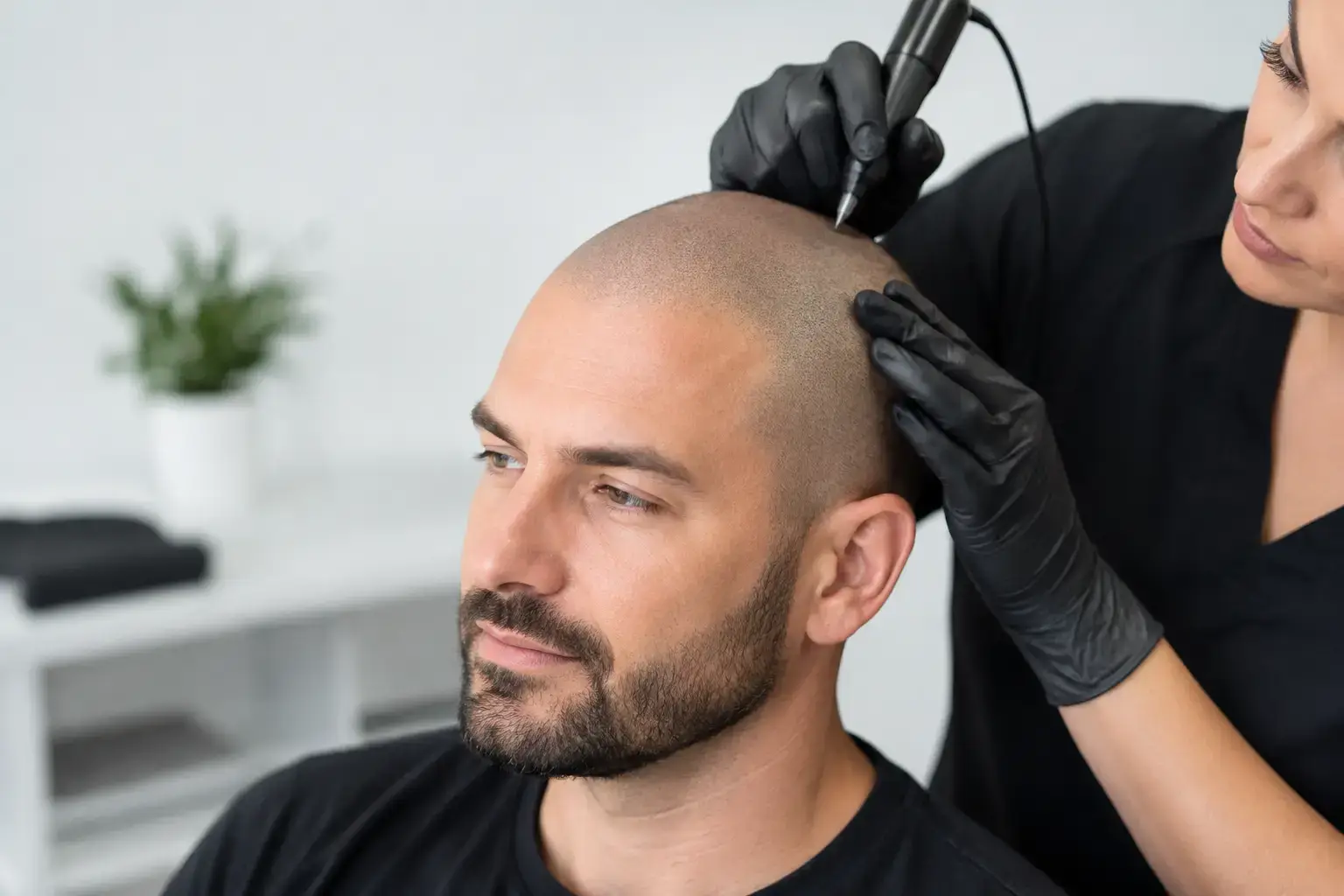
A receding hairline can change the way a person approaches photographs, meetings, social events, and even a simple haircut. The benefits of scalp micropigmentation are not limited to how the scalp looks. For many people, this non-surgical treatment offers a practical way to regain a more defined, fuller-looking appearance without the daily upkeep of concealers, hair fibers, or a hairpiece.
Scalp micropigmentation, often called SMP, uses carefully placed pigment impressions to recreate the appearance of natural hair follicles. On a closely shaved scalp, it can create the look of a clean buzz cut with a stronger hairline. On longer hair, it can reduce the contrast between visible scalp and existing hair, making thinning areas appear denser. The right approach depends on your hair pattern, skin tone, lifestyle, and the result you want to see in the mirror.
What Makes Scalp Micropigmentation Different?
SMP is sometimes mistaken for a conventional tattoo, but the technique, pigments, needle placement, and goals are different. Rather than creating a flat block of color, a trained practitioner builds subtle layers of tiny impressions that mimic the natural variation of closely cropped follicles.
The treatment does not grow new hair or stop the biological causes of hair loss. Its value is cosmetic, but that does not make the change insignificant. By restoring visual balance between the hairline, scalp, and facial features, SMP can make hair loss less noticeable and give clients more control over their preferred look.
Key Benefits of Scalp Micropigmentation
It Creates the Appearance of Greater Density
Diffuse thinning, widening parts, and crown visibility can make hair look finer than it is. SMP darkens the visible scalp beneath existing strands, reducing the contrast that draws attention to sparse areas. The effect is often especially useful for men and women who still have hair coverage but want it to look fuller.
For people with more advanced hair loss, a shaved-head SMP treatment can create the appearance of a closely cropped style. A carefully designed hairline is essential here. It should suit the client’s age, facial structure, and likely future hair-loss pattern rather than looking overly sharp or artificial.
It Offers a Non-Surgical Option
Not everyone is ready for, eligible for, or interested in hair transplant surgery. SMP does not involve incisions, graft harvesting, or a lengthy surgical recovery period. This can make it an appealing option for people who want visible improvement without undergoing an invasive procedure.
It can also complement other hair restoration paths. Some clients use SMP to camouflage the look of thinning while they pursue medical or restorative treatments. Others use it after a transplant to add the appearance of density between transplanted hairs. It may also help disguise certain scalp scars, including linear scars from earlier transplant methods, once the area has been properly assessed.
It Is Low Maintenance After Healing
One of the strongest practical benefits is simplicity. Once treatment sessions are complete and the scalp has healed, most clients do not need daily products to preserve the fuller-looking effect. A shaved-style client may still choose to clipper or shave their remaining hair regularly, but the pigment itself requires little day-to-day effort.
Long-term care mainly involves protecting the scalp from strong sun exposure and following the practitioner’s advice on moisturizing, shaving, and skincare. Pigment can gradually soften over time, so a touch-up may eventually be needed. However, many people appreciate having a solution that does not require a daily application routine.
It Can Look Natural When Personalized
Natural results are created through restraint and planning. Follicle impressions need to match the client’s complexion, remaining hair color, and density pattern. The hairline must also be appropriate. A softer, slightly irregular hairline often looks more convincing than one that is perfectly straight or too low.
This is why consultation matters as much as the procedure itself. A personalized plan considers whether someone wants a subtle density treatment, scar camouflage, or a complete shaved-head effect. It also gives the client a chance to discuss how their appearance may change if hair loss progresses.
It Works Across Many Hair-Loss Situations
SMP is not reserved for one gender or one stage of hair loss. It may suit people with male or female pattern thinning, alopecia-related patchiness, diffuse loss, visible scars, or hair loss following certain medical treatments. Suitability depends on the underlying condition and the health of the scalp.
For example, someone with active scalp inflammation, an untreated skin condition, or rapidly changing hair loss may need medical guidance before proceeding. Similarly, people with very long hair and mild thinning may prefer a density-focused approach rather than a treatment designed to simulate a shaved scalp. The best result comes from matching the technique to the individual, not forcing every client into the same visual outcome.
Confidence Without Hiding Behind Products
Hair loss can lead to a cycle of checking mirrors, adjusting hairstyles, avoiding bright lighting, and worrying about rain, sweat, or wind. SMP can reduce that mental load because the result is not dependent on loose fibers staying in place or styling products creating the right coverage.
That confidence can be particularly valuable for busy professionals and anyone who wants a more predictable appearance throughout the day. It is not about changing who you are. It is about making the reflection in the mirror feel more aligned with how you want to present yourself.
What the Treatment Process Usually Involves
Scalp micropigmentation is typically completed over multiple sessions, rather than in one appointment. The first session establishes a light foundation. Later sessions add depth, density, and refinement, allowing the result to be built gradually instead of appearing too dark too quickly.
Before treatment begins, a specialist should assess the scalp, discuss your medical and hair-loss history, evaluate any scars or skin concerns, and agree on a realistic hairline or density plan. During the procedure, clients commonly describe the sensation as manageable, although comfort levels vary by individual and treatment area.
After each session, there is a brief healing period. You may be asked to avoid heavy sweating, swimming, direct sun exposure, and washing the scalp for a short time. Following aftercare instructions closely helps pigment settle properly and supports an even result.
Important Trade-Offs to Consider
SMP offers lasting visual improvement, but it is not a cure for hair loss. If you have existing hair that continues to thin, the design may need to be adjusted over time to maintain a natural appearance. Choosing a conservative hairline and a realistic density level provides more flexibility for the future.
Quality also matters greatly. Poor pigment selection, overly large impressions, or an unnatural hairline can be difficult to correct. The lowest-priced option is rarely the best value when a treatment affects such a visible part of your appearance. Ask about the provider’s experience, their approach to skin-tone matching, and how they plan results over several sessions.
People with a history of allergies, scalp conditions, keloid scarring, or certain medical concerns should disclose this during consultation. A responsible provider will tell you when SMP is suitable, when it should be delayed, and when another treatment pathway may be more appropriate.
Is Scalp Micropigmentation Right for You?
The answer depends on what you want from treatment. SMP may be a strong fit if you want the look of a fuller scalp, prefer a short-hair aesthetic, want to camouflage a scar, or need a non-surgical option that fits an active routine. It may be less suitable if you expect it to regrow hair or if an active scalp condition needs attention first.
A private scalp assessment can clarify the options without pressure. At HairSpec, this conversation can also consider other non-surgical, restorative, and surgical pathways, so the recommendation is based on your goals rather than a one-size-fits-all solution. The most helpful next step is to choose a plan that looks natural now, remains practical for your lifestyle, and helps you feel comfortable being seen on your own terms.