

A widening part, more hair around the shower drain, or a hairline that looks thinner in photos can make every new treatment sound promising. But can hair mesotherapy regrow hair? For some people with early thinning, it may help support healthier-looking, fuller hair. It is not, however, a guaranteed cure for every form of hair loss, and the result depends heavily on the cause, stage, and pattern of shedding.
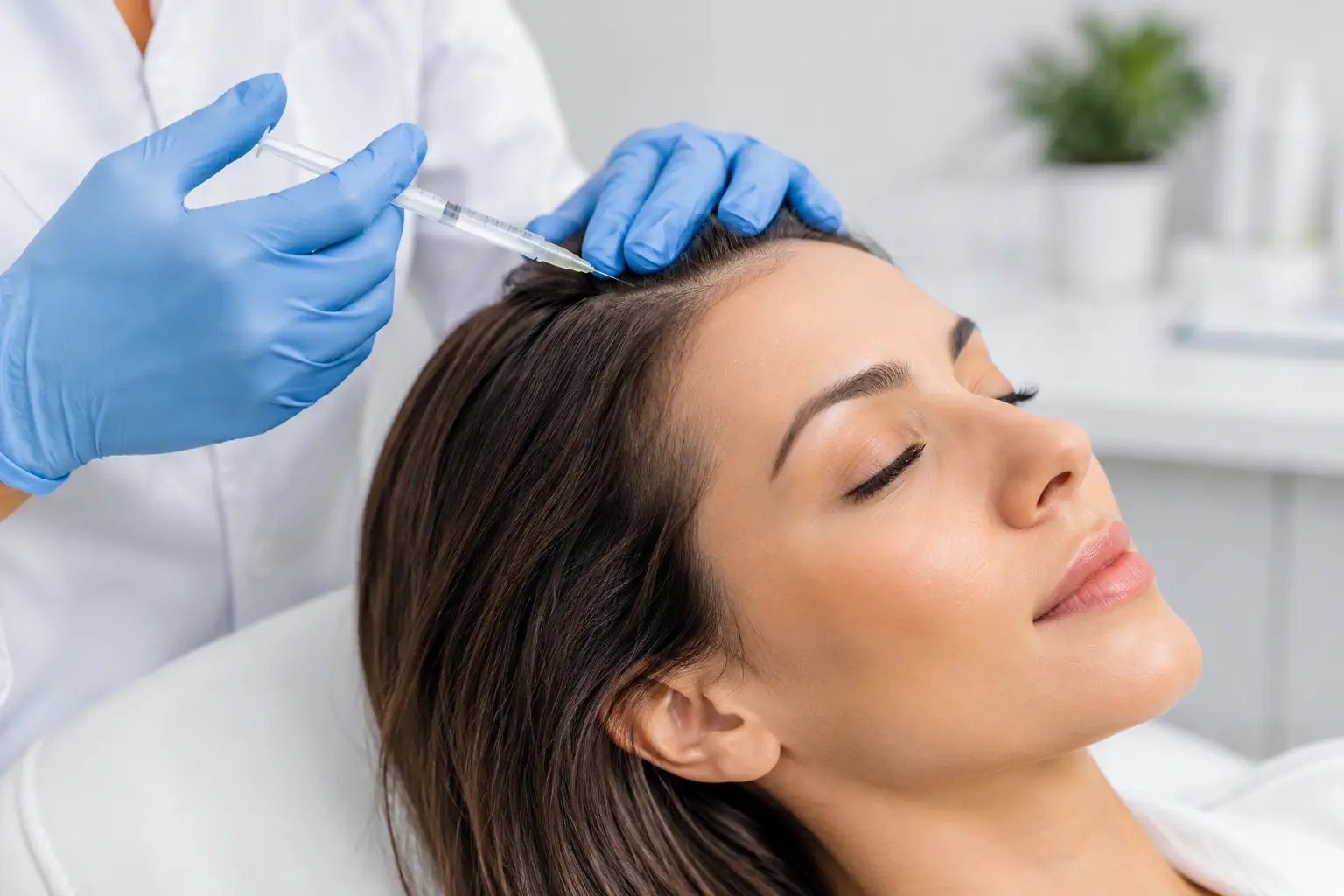
Hair mesotherapy is a non-surgical treatment that delivers selected ingredients into the scalp through a series of very fine injections. It is often considered by people who want an option that feels more targeted than topical products but does not involve surgery. The most useful way to approach it is not as a miracle solution, but as one possible part of a personalized hair-restoration plan.
What Hair Mesotherapy Is Designed to Do
Mesotherapy was developed as a technique for delivering small amounts of active ingredients directly into a specific area. In hair treatment, the injections may contain a tailored blend of vitamins, amino acids, minerals, peptides, hyaluronic acid, or other compounds intended to support the scalp environment and hair follicles. Formulas vary between providers, which is one reason treatment quality and consultation matter.
The aim is usually to improve scalp condition, support circulation around the follicles, and provide ingredients associated with healthy hair growth. When follicles are still active but producing progressively finer hairs, this added support may help reduce the appearance of thinning and improve hair quality over time.
Mesotherapy does not create brand-new follicles where follicles have been permanently lost. If an area has been smooth, shiny, and bald for years, injections alone are unlikely to restore meaningful coverage. In those cases, options such as a hair transplant, scalp micropigmentation, or non-surgical hair replacement may provide a more visible and predictable cosmetic result.
Can Hair Mesotherapy Regrow Hair in Early Thinning?
The short answer is: sometimes, but expectations should stay realistic. Hair mesotherapy tends to be most relevant when hair loss is mild to moderate and follicles are still present. Some clients notice less shedding, stronger-feeling strands, improved scalp comfort, or hair that looks denser because existing strands grow with more diameter and resilience.
True regrowth is harder to promise. Hair growth follows a slow biological cycle, and a treatment that supports follicles today may not produce visible changes for several months. A person whose shedding is linked to stress, nutritional factors, scalp inflammation, or temporary hormonal change may respond differently from someone with long-standing hereditary pattern hair loss.
For androgenetic alopecia, commonly called male or female pattern hair loss, mesotherapy may be used as a supportive treatment rather than the only approach. Pattern loss is progressive, so maintaining results often requires an ongoing plan. This may include clinically appropriate medical treatment prescribed by a physician, low-level laser therapy, scalp care, and lifestyle measures alongside mesotherapy.
Who May Be a Good Candidate?
A detailed scalp assessment is more valuable than choosing a treatment based on a social media before-and-after photo. The same visible thinning can have very different causes, including genetic pattern loss, traction from tight hairstyles, recent illness, iron deficiency, postpartum changes, thyroid concerns, or scalp conditions.
Mesotherapy may be worth discussing if you have early diffuse thinning, increased shedding with visible follicles still present, or hair that has become weaker and finer over time. It can also appeal to people looking for a minimally invasive option with little interruption to a workday.
It may be less suitable when hair loss is sudden, patchy, associated with pain, scaling, or scarring, or when there is an untreated medical cause. These signs deserve prompt evaluation by an appropriate medical professional. Treating the scalp without identifying the underlying issue can delay care and lead to disappointment.
What a Treatment Course Usually Looks Like
A mesotherapy appointment begins with cleaning and assessing the scalp. A provider then uses fine injections across the thinning areas. The treatment is typically quick, though the sensation varies. Some people describe mild pinching or pressure, particularly around more sensitive areas of the scalp.
Most plans involve a series of sessions rather than one appointment. The number, spacing, and maintenance schedule should be tailored to your hair-loss pattern, response, and goals. Because hair grows slowly, progress is usually assessed over months, not days.
Mild redness, tenderness, pinpoint bleeding, or temporary swelling can occur after treatment. These effects generally settle quickly, but aftercare instructions should be followed carefully. A qualified provider should also discuss allergies, medications, pregnancy status, scalp infections, and relevant medical history before proceeding.
The Evidence and the Limits of the Treatment
Mesotherapy has gained attention because it is localized and non-surgical, but it should be discussed with the right level of clinical caution. Research into scalp mesotherapy is still evolving. Studies differ in the ingredients used, injection methods, treatment schedules, and types of hair loss studied. That makes it difficult to state that one formula or protocol will work equally well for everyone.
This does not mean the treatment has no place. It means a responsible provider will avoid guaranteed regrowth claims. They will explain what improvement is realistic for your starting point, document your progress with consistent photographs, and adjust the plan if the scalp is not responding as hoped.
Be cautious of offers that promise to restore a full head of hair after one session. Hair restoration is rarely that simple. The best results often come from matching the right treatment to the right diagnosis and combining treatments when appropriate.
Mesotherapy Compared With Other Hair Loss Options
Mesotherapy is one part of a wider treatment landscape. Low-level laser therapy is non-invasive and may suit people who prefer a gradual, routine-based approach to supporting follicles. Medical treatments can be appropriate for certain forms of hereditary hair loss but require professional medical guidance due to potential side effects and suitability considerations.
A hair transplant can move healthy follicles into areas of more permanent loss, but it is a surgical procedure and requires adequate donor hair. Scalp micropigmentation does not regrow hair, yet it can create the appearance of density or a closely cropped hairline with impressive natural-looking results. Non-surgical hair replacement offers immediate, customizable coverage for people who want a fuller look without waiting for biological regrowth.
The right choice depends on whether your priority is preserving existing hair, encouraging growth, concealing visible scalp, or achieving immediate volume. Many people need more than one answer over the course of their hair-loss journey.
How to Make a Confident Decision
Before starting mesotherapy, ask what is causing your hair loss, what ingredients will be used, how many sessions are recommended, and how success will be measured. You should also ask what happens if improvement is limited. A provider who can explain alternative pathways is more likely to be focused on your outcome rather than a single service.
At HairSpec, a private scalp assessment can help distinguish between concerns that may respond to follicle-supporting treatment and those better served by cosmetic coverage, laser therapy, or more advanced restoration. That clarity matters, especially when hair loss has begun to affect how you feel at work, in social settings, or in front of the mirror.
Hair mesotherapy can be a worthwhile option when active follicles remain and the treatment is selected for the right reasons. Give yourself the benefit of an honest assessment first, then choose the path that offers the most realistic route to healthier-looking hair and renewed confidence.