

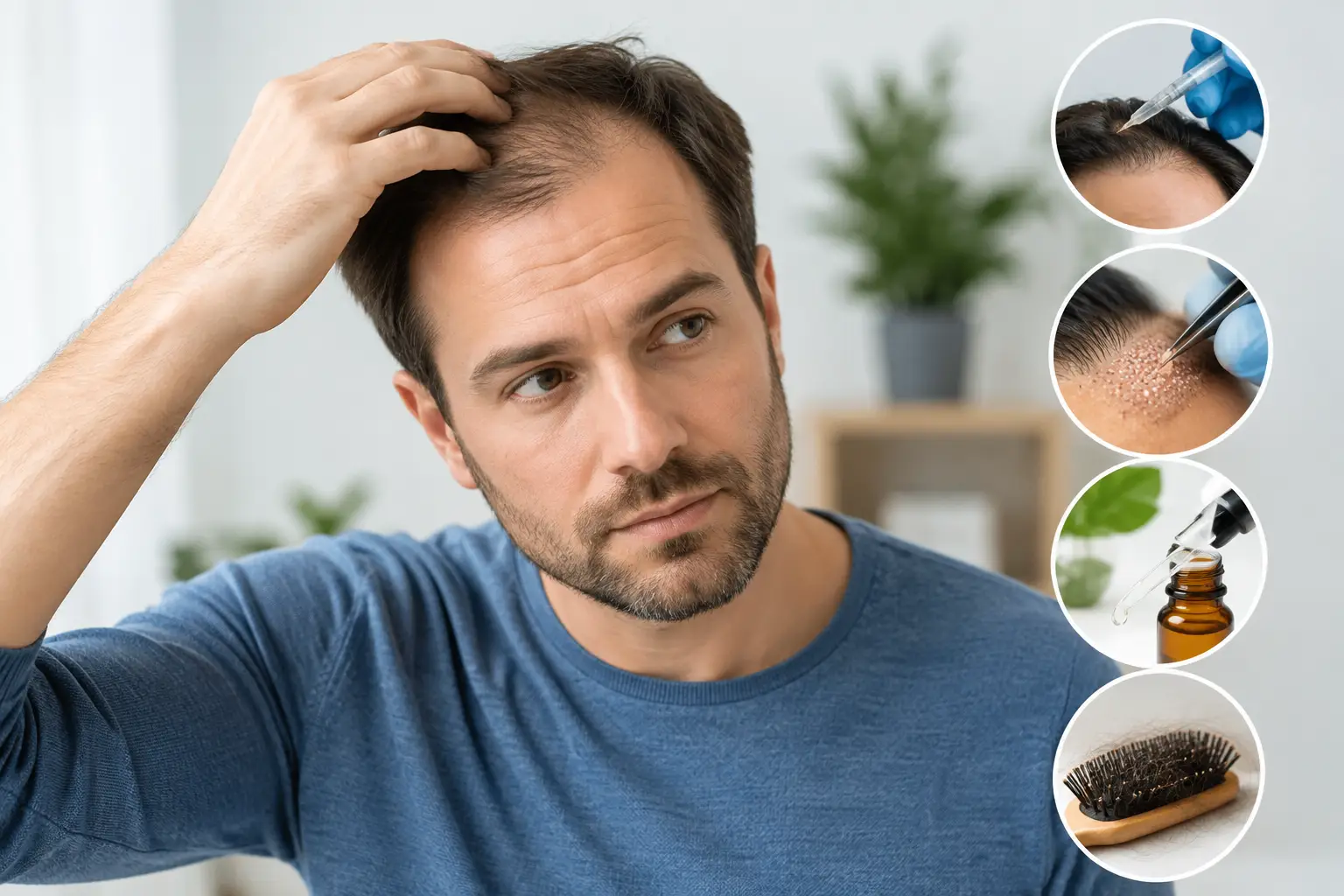
A widening part, a receding hairline, or more hair left on the shower floor can change how you feel before you even leave home. Hair restoration is not one single treatment. It is a personalized approach to improving the appearance of thinning hair, managing hair loss, and helping you feel comfortable with the image you see in the mirror.
For some people, the right answer is an immediate, non-surgical solution that adds natural-looking density. For others, it may be a gradual treatment plan, scalp micropigmentation, or a hair transplant. The best choice depends on the cause of your hair loss, your lifestyle, the result you want, and how much maintenance you are comfortable with.
What Hair Restoration Can Address
Hair loss is often discussed as though it affects everyone in the same way. In reality, diffuse thinning, pattern hair loss, patchy loss, traction-related damage, and medically related hair loss can look very different and call for different solutions.
Androgenetic alopecia, commonly known as male or female pattern hair loss, is one of the most common causes. It may show up as a receding frontal hairline or crown thinning in men, while women often notice a broader part and reduced density across the top of the scalp. Stress, hormonal shifts, nutritional issues, certain medications, illness, and tight hairstyles may also contribute to shedding or breakage.
A professional scalp assessment provides a useful starting point. It helps identify visible scalp concerns, evaluate the pattern and extent of thinning, and determine whether your existing hair and donor area are suitable for certain options. If hair loss is sudden, painful, accompanied by scalp irritation, or occurring after a medical change, speak with a physician or dermatologist as well. Cosmetic restoration and medical evaluation can work alongside each other.
Hair Restoration Options and When They Fit
A good treatment plan begins with realistic expectations. Some methods create an immediate visual transformation, while others aim to support the scalp and existing hair over time. Neither approach is automatically better. The right fit is the one that aligns with your needs.
Non-Surgical Hair Replacement
Non-surgical hair replacement is designed for people who want the appearance of fuller hair without surgery or a long waiting period. A custom hair system is selected and fitted to match your hair color, texture, density, hairline, and preferred style. When it is professionally designed and maintained, it can look remarkably natural and allow for an active, polished appearance.
This option is especially valuable for advanced thinning, extensive baldness, or people who are not suitable candidates for a transplant. It also gives you significant control over the outcome. You can choose a conservative increase in density or a more noticeable change in coverage.
The trade-off is maintenance. Hair systems require scheduled servicing, careful cleansing, and professional refitting as your natural hair grows. For many clients, that routine is worthwhile because the visible result is immediate.
Nanospec Hair Replacement
Nanospec hair replacement uses an advanced, fine-base approach intended to create a close, natural-looking connection between the hair system and scalp. It can be an appealing option for clients who value a lightweight feel, a realistic hairline, and discreet wear.
As with any hair replacement solution, the quality of the consultation and fitting matters as much as the material itself. Density must be appropriate for your age, facial features, and natural hair around the sides and back. A hairline that is too low or too dense can draw attention for the wrong reasons. The goal is not simply more hair. It is hair that looks like it belongs to you.
Scalp Micropigmentation
Scalp micropigmentation, or SMP, uses carefully placed pigment impressions to create the look of closely cropped hair follicles or added density between existing strands. It does not grow new hair, but it can reduce the contrast between the scalp and hair, make thinning areas appear fuller, or create the appearance of a defined shaved style.
SMP may work well for people with short hairstyles, receding hairlines, crown thinning, or visible transplant scars. It can also complement a hair transplant by making the result appear denser. Because the treatment changes the visual appearance of the scalp rather than the hair itself, your preferred hairstyle is an important factor in deciding whether it is right for you.
Low-Level Laser Therapy and Mesotherapy
Low-level laser therapy uses controlled light energy as part of a broader scalp and hair care plan. It is non-invasive and may appeal to clients who want a comfortable treatment that supports their existing hair without downtime. Results, if they occur, are gradual and require consistency, so it is not the best choice for someone seeking instant coverage.
Mesotherapy involves scalp-based treatment approaches that may be recommended according to individual scalp needs and professional assessment. Its suitability depends on your history, scalp condition, and goals. Be cautious of promises that any treatment can guarantee regrowth. Ethical guidance should explain the expected timeline, the role of maintenance, and the limits of each approach.
Hair Transplant Services
A hair transplant redistributes healthy follicles, usually from the back or sides of the scalp, to thinning areas. It can provide a permanent hair-growing solution for suitable candidates, but it is still a medical procedure with recovery time, cost considerations, and a need for adequate donor hair.
Transplanted hair does not create unlimited density. A careful plan must preserve the donor area and account for the possibility of future hair loss around the transplanted zones. This is why a natural, age-appropriate hairline and long-term strategy matter more than pursuing maximum density in a single session.
Wigs, Toupees, Extensions, and Medical Wigs
Wigs and toupees can offer flexible coverage for many types of hair loss, including temporary shedding and extensive thinning. Medical wigs can be particularly meaningful for people experiencing hair loss related to chemotherapy, alopecia, or other health conditions. The right fit should feel secure and comfortable, not heavy or overly noticeable.
Hair extensions can add length and volume when there is enough healthy hair to support them. They are not ideal for every type of thinning, especially when the hair is fragile or the scalp is sensitive. A specialist should assess whether extensions will enhance your look without adding unwanted tension.
How to Choose the Right Hair Restoration Path
Start with the result you want to see in the next few weeks and the next few years. If you need a fuller look for work, social confidence, or a major life event, non-surgical hair replacement may be the most direct route. If you prefer a low-maintenance close-cropped appearance, scalp micropigmentation could make more sense. If you have stable hair loss and good donor density, a transplant consultation may be appropriate.
Your daily routine also matters. Consider whether you are comfortable returning for maintenance appointments, whether you swim or exercise frequently, how often you change hairstyles, and whether you want to wear your hair short or long. The best plan should fit your life rather than force you to reorganize it.
Budget should be discussed openly, too. A lower initial cost is not always the lower long-term cost, particularly when ongoing maintenance is involved. Ask about expected servicing, replacement timelines, recovery requirements, and the likely number of sessions before you commit.
What Makes a Result Look Natural
Natural-looking hair restoration is built on proportion. Hair color must blend with your complexion and existing hair. Texture should suit the way your hair naturally moves. Density should be balanced rather than excessive, and the hairline should complement your face without looking artificially youthful.
Privacy and comfort matter just as much. A specialist consultation should feel respectful, unhurried, and focused on your goals. You should understand what is being recommended, why it suits your condition, and what care it will require after your appointment.
At HairSpec, a free scalp assessment can help turn uncertainty into a clear, personalized plan. Whether you are considering immediate coverage, scalp-based treatment, or a longer-term restorative option, the most helpful next step is a professional conversation centered on what will make you feel like yourself again.