

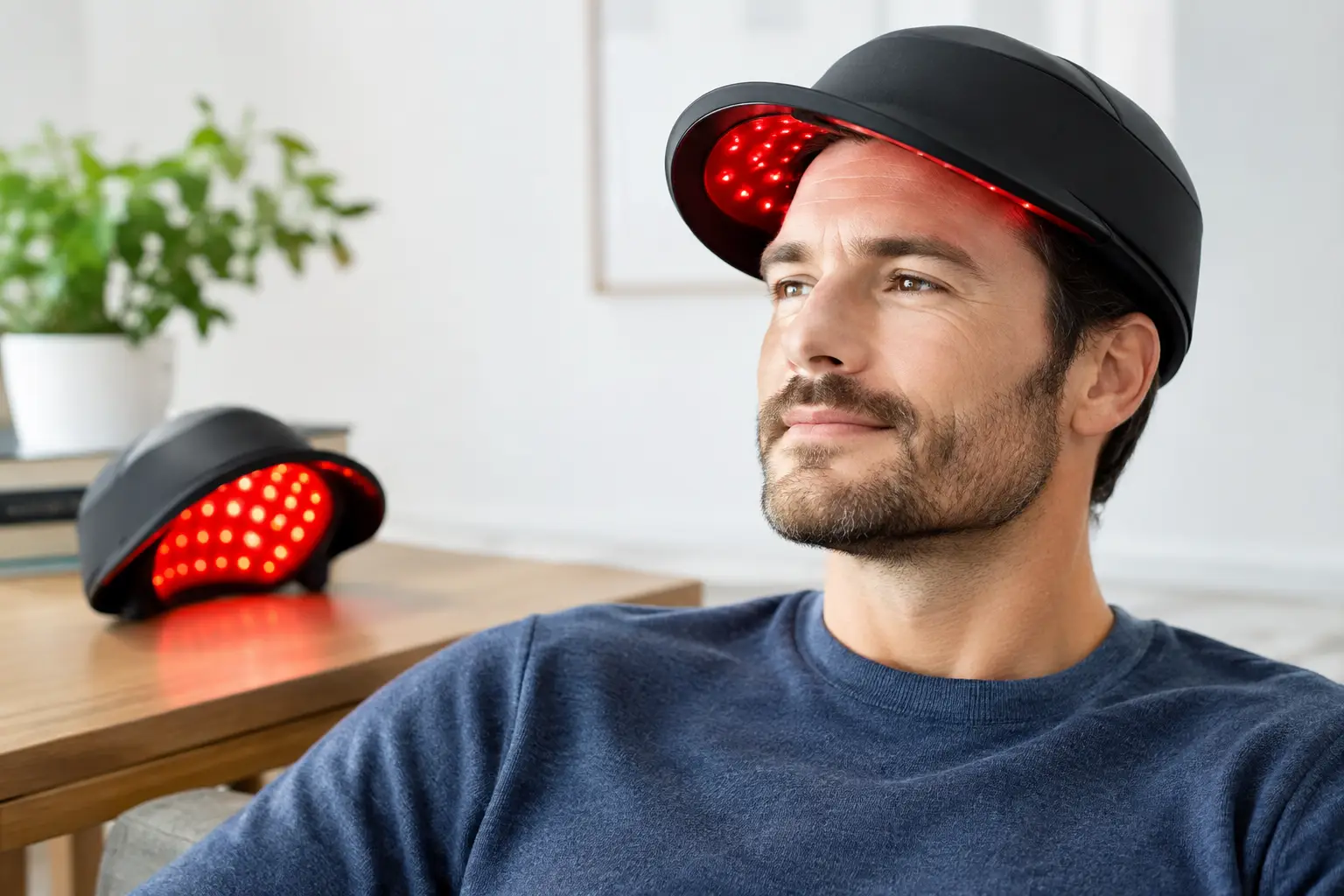
A laser cap may look like a simple at-home device, but the decision to use one is personal. When hair thinning affects how you feel at work, in photos, or during everyday grooming, you want more than promising marketing. The most useful laser cap reviews focus on realistic progress, ease of use, and whether the treatment suits the type of hair loss you have.
Low-level laser therapy, often called LLLT or red-light therapy, can be a valuable non-surgical option for some people with thinning hair. It is not an instant transformation and it will not replace every other form of hair restoration. Used consistently and under the right circumstances, however, it may help support stronger-looking, denser hair over time.
What Laser Cap Reviews Can Tell You
Reviews are helpful when they describe the full experience rather than just a before-and-after photo. A person with early pattern thinning may have a very different outcome from someone with advanced hair loss, scarring alopecia, or a medical condition affecting the scalp. That difference is often missing from broad star ratings.
The better reviews tend to mention whether shedding slowed, whether existing hair looked thicker, and how long it took before a change became visible. Many users report that the cap is comfortable and discreet enough to wear at home while reading, working, or relaxing. Others find consistency difficult, especially when they expect visible growth within a few weeks.
Look for comments that explain the reviewer’s starting point. Were they dealing with a widening part, recession at the temples, diffuse thinning, or hair loss after stress or illness? Were they also using medication, topical treatment, nutritional support, or other therapies? A review claiming dramatic regrowth may be genuine, but it does not prove that the laser cap alone created the result.
How Laser Caps Are Designed to Work
Laser caps use low-level red light delivered to the scalp through small laser diodes or, in some devices, a combination of lasers and LEDs. The goal is to stimulate cellular activity around weakened hair follicles and support the growth phase of the hair cycle. This process is sometimes referred to as photobiomodulation.
Healthy follicles that are becoming smaller due to androgenetic hair loss, also known as male or female pattern hair loss, are generally the main target. The treatment may help improve the appearance of hair caliber and density by supporting follicles that are still active. It cannot reliably create new follicles in areas where follicles have been inactive for years.
This is why the stage of hair loss matters so much. A person noticing early thinning at the crown or along the part line may be a stronger candidate than someone with a smooth, long-bald area. In the latter case, options such as scalp micropigmentation, non-surgical hair replacement, or hair transplantation may deliver a more visible cosmetic change.
What Results Are Realistic?
Expect gradual, modest changes rather than overnight regrowth. For appropriate candidates, the first goal is often to reduce progression and preserve the hair that remains. Over several months, some people notice less scalp visibility, improved texture, or fuller-looking styling. New growth, when it occurs, is typically fine at first and takes time to mature.
Most laser cap programs require regular sessions for months before results can be fairly assessed. Stopping too early is one of the most common reasons people believe the device did not work. Hair grows slowly, and the hair cycle does not respond on a schedule designed for a product review.
It also depends on the cause of your shedding. Sudden diffuse hair loss can be related to illness, rapid weight change, stress, hormonal shifts, iron deficiency, thyroid concerns, or medications. A laser cap may not address the underlying trigger. When hair loss is abrupt, patchy, painful, or accompanied by scalp irritation, a medical evaluation should come before a home device.
How to Read Laser Cap Reviews More Critically
A high price, a sleek design, or a large number of diodes does not automatically mean a better outcome. Device quality matters, but suitability and consistent use matter just as much. When comparing laser cap reviews, pay attention to practical details that affect whether you will actually follow the program.
Consider the prescribed wear time, charging method, fit, weight, and whether the cap covers the areas where you are thinning. A cap that feels hot, slips during use, or does not fit comfortably may end up sitting in a drawer. For busy professionals, a treatment that is easy to use at home can be a meaningful advantage, but only if it fits naturally into a weekly routine.
It is also wise to understand the regulatory language used by a manufacturer. In the United States, some devices may be FDA-cleared for the treatment of certain types of hair loss. FDA clearance is not the same as a guarantee that every user will see significant regrowth. A reputable provider should be comfortable explaining what a device is intended to do, who it may suit, and where its limitations lie.
Before-and-after images deserve the same careful attention. Look for consistent lighting, hair length, angle, and styling. A fuller appearance can be influenced by blow-drying, hair fibers, color, and camera exposure. Honest progress photography is valuable, but it should be one part of a broader assessment.
Who May Benefit Most From a Laser Cap?
Laser therapy is often best suited to men and women with mild to moderate thinning who want a non-invasive way to support their existing hair. It can appeal to people who value privacy, have limited recovery time, or are not ready for surgical treatment. It may also be used as part of a broader plan to maintain hair quality before or after other restorative options.
A professional scalp assessment is especially useful if you are unsure whether your follicles are still viable. Close examination can help distinguish pattern thinning from temporary shedding, scalp inflammation, breakage, or a more complex form of hair loss. This prevents the frustration of investing in a device that is unlikely to address your specific concern.
Laser caps are not necessarily the best stand-alone choice for extensive thinning, completely bald areas, or hair loss caused by untreated medical conditions. They are also not a substitute for a diagnosis when warning signs are present. The right recommendation should reflect your scalp health, hair-loss pattern, lifestyle, budget, and desired level of change.
Should You Combine Laser Therapy With Other Treatments?
For many people, a combined approach produces a more satisfying outcome than relying on one method alone. Low-level laser therapy may complement topical or oral treatments prescribed by a clinician, as well as supportive in-clinic services designed around scalp and hair health. The combination should be personalized, particularly if you have sensitive skin, a medical condition, or are taking medication.
If your priority is an immediate, fuller look for an event or day-to-day confidence, hair replacement systems, wigs, or hair extensions may provide a faster cosmetic result. If you want the appearance of closely shaved density, scalp micropigmentation may be worth discussing. These options solve different problems, and none should be presented as a universal answer.
Common Questions About Laser Caps
Do laser caps hurt?
A properly functioning laser cap should not be painful. Most users feel little or no sensation during treatment. If you experience burning, persistent redness, headaches, or scalp discomfort, stop using the device and seek professional advice.
How long should you use a laser cap before judging results?
A meaningful evaluation usually requires several months of consistent use. Taking standardized photos at the start and at regular intervals can be more reliable than checking the mirror every day. Daily scrutiny often makes gradual improvement harder to recognize.
Can women use laser caps?
Yes, many laser devices are intended for both men and women with pattern-related thinning. Still, women experiencing sudden shedding, widening of the part, or hair loss around hormonal changes should consider an assessment to identify possible contributing factors before choosing treatment.
The best laser cap is not simply the one with the strongest reviews. It is the one that fits a well-informed plan for your hair loss. A private scalp assessment with an experienced specialist, such as HairSpec, can help you decide whether low-level laser therapy is worth pursuing or whether another solution will better restore the look and confidence you want.