

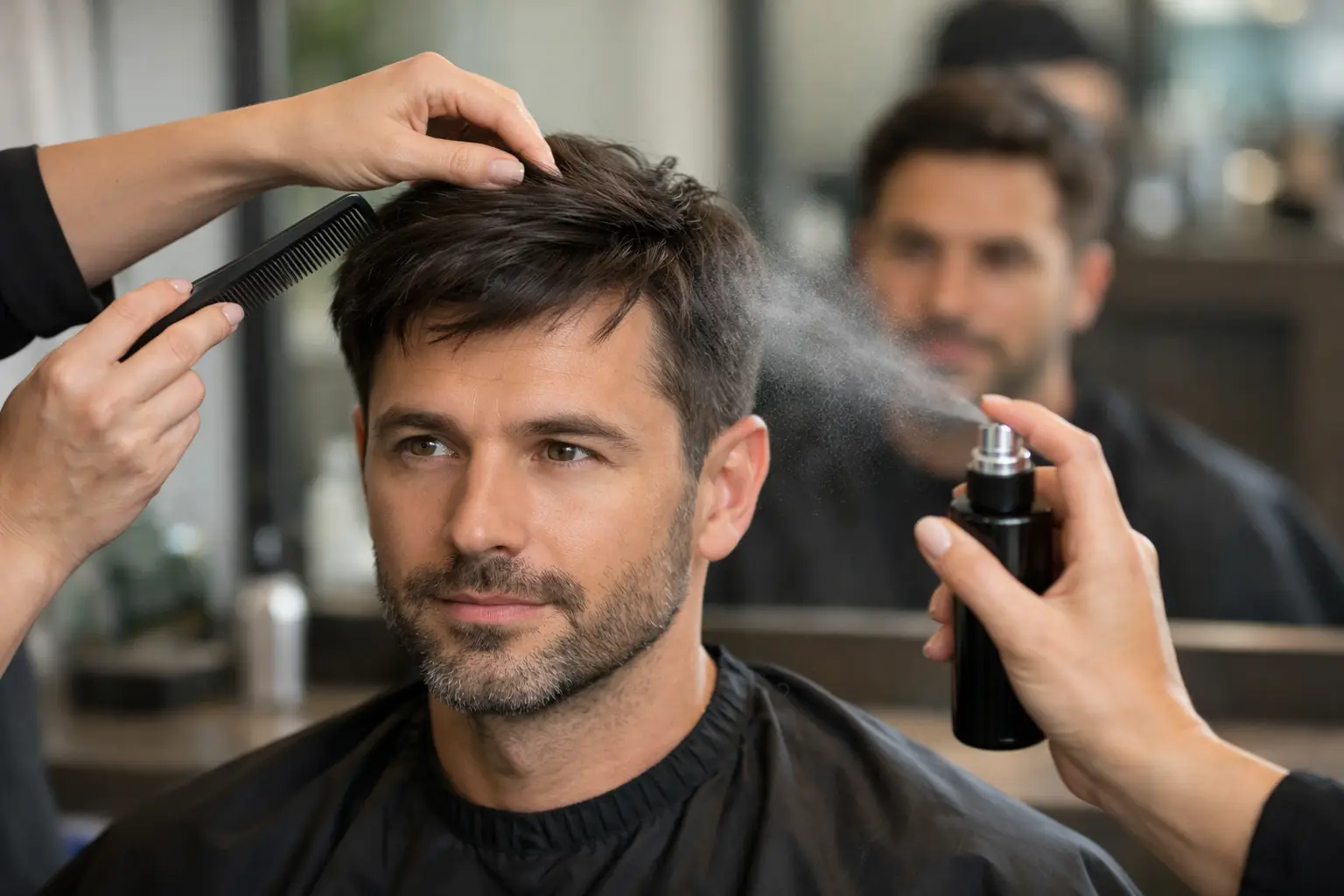
The first week usually tells you everything. If your system feels secure, looks natural under bright light, and fits comfortably into your routine, that is a good sign. But long-term results depend on one thing many people underestimate – non surgical hair replacement maintenance.
A well-made hair system can look remarkably natural, but it is not a set-it-and-forget-it solution. Daily wear, heat, humidity, exercise, scalp oils, and product buildup all affect how it performs. Good maintenance protects both the appearance of the hair and the condition of your scalp, which is why the best outcomes come from a plan tailored to your lifestyle rather than a generic care checklist.
What non surgical hair replacement maintenance really involves
When people hear maintenance, they often think only about reattaching the system. In reality, non surgical hair replacement maintenance covers several moving parts at once: scalp hygiene, adhesive performance, hair fiber care, base protection, and regular fit checks. If one area is neglected, the others tend to suffer.
For example, over-washing can dry out the hair and shorten the lifespan of the system. Under-washing can lead to buildup, odor, itching, and weaker adhesion. Using the wrong styling products may make the hair look heavy or dull, but it can also break down tapes or glue faster than expected. This is why maintenance should be approached as part of the treatment itself, not as an afterthought.
A specialist will usually set the schedule based on the type of base, attachment method, scalp condition, and how often you work out or spend time outdoors. Someone with an oily scalp in a humid climate may need more frequent service than someone with a drier scalp and lighter activity level.
Daily habits that protect your result
Most maintenance problems start with small daily habits. Sleeping with wet hair, pulling a comb through tangles, or using high heat too close to the base can gradually weaken the system even if it still looks fine in the moment.
Gentle handling matters. Brush or comb the hair with light tension, starting at the ends and working upward. If the system is longer, support the hair near the base while detangling so you do not place unnecessary strain on the attachment points. This helps reduce shedding and preserves the integrity of the base.
Heat styling also calls for restraint. Moderate heat is generally more manageable than frequent high temperatures, especially for processed hair fibers. If you rely on a blow dryer, keep airflow moving rather than concentrating heat in one spot. The goal is to style the hair without drying it out or stressing the bond.
At night, friction can roughen the hair over time. A smooth pillowcase can help reduce tangling, and tying longer hair loosely before sleep may keep it more manageable by morning. These details sound minor, but they make a visible difference over several weeks.
Washing and scalp care without damaging the bond
Cleanliness is not optional, but technique matters. One of the most common mistakes is treating a hair replacement system exactly like natural growing hair. The scalp underneath still needs proper cleansing, yet the attachment area needs care so the bond is not weakened too quickly.
In most cases, washing should be done with a gentle, residue-conscious shampoo and light pressure rather than vigorous scrubbing. Rubbing aggressively can tangle the hair, lift the base, or stress delicate sections around the hairline. Conditioner should usually be focused on the mid-lengths and ends unless your specialist advises otherwise, because heavy product near the base may interfere with adhesion.
Scalp comfort is just as important as appearance. If you notice itching, redness, odor, or a sticky feeling that returns soon after cleaning, the issue may not be hygiene alone. It can point to product buildup, adhesive sensitivity, excess oil, or a schedule that no longer suits your scalp. That is where professional assessment becomes valuable. A secure fit should not come at the expense of scalp health.
Adhesives, tapes, and why timing matters
Different attachment methods behave differently. Some clients prefer tapes for convenience and cleaner removal. Others choose liquid adhesive for a more customized hold, especially around the front hairline. Neither is universally better. The right choice depends on skin sensitivity, desired hold time, activity level, and how natural the exposed hairline needs to look.
Maintenance timing matters because waiting too long can create a chain reaction. As adhesive starts to break down, the system may shift slightly, collect debris, or become harder to remove cleanly. That can turn a simple service appointment into a more involved correction. On the other hand, removing and reattaching too often can create unnecessary wear. The best schedule is the one that keeps the system clean, secure, and comfortable without overhandling it.
This is especially relevant in warm, humid environments. Sweat and oil can shorten hold time, so people with active routines often benefit from closer monitoring during the first few weeks. Once a pattern is established, maintenance becomes much more predictable.
How often should professional maintenance happen?
There is no single answer, and that is exactly why consultation matters. Some clients do well with salon maintenance every two to four weeks. Others may need a shorter cycle because of oily skin, sports, frequent travel, or a more delicate skin-safe adhesive. The system itself also affects the schedule. A finer, more natural-looking base may need gentler and more precise handling than a more durable construction.
Professional maintenance typically includes removing the system, cleaning adhesive residue, preparing the scalp, checking the condition of the base, trimming or blending if needed, and reattaching the piece with correct alignment. This is also the time to catch early issues before they become visible, such as hairline lift, thinning density, dryness, or wear near stress points.
For many clients, regular appointments are not just about upkeep. They are about peace of mind. Knowing the system is being checked by a specialist reduces guesswork and helps preserve a natural result for longer.
Styling products and common maintenance mistakes
Product choice has a bigger impact than most people expect. Heavy oils, waxes, and alcohol-heavy formulas can either weigh the hair down or dry it out, depending on the ingredient mix. Some can also affect the adhesive or leave residue that dulls the finish.
The safest approach is usually a lighter styling routine with products chosen for compatibility with replacement hair and the attachment method. Less is often more. If the style only looks good when loaded with product, that may signal the cut, density, or system design needs adjustment.
A few mistakes show up repeatedly in maintenance appointments. Using standard drugstore products without checking ingredients is one. Trying to peel off a system quickly at home is another. Skipping appointments because the hair still looks acceptable from the front is also common, even though the scalp underneath may already need attention. Good maintenance is partly about what you see, but also about what you prevent.
When your maintenance plan needs to change
Non surgical hair replacement is not static. Your scalp can change with weather, age, stress, medication, or exercise habits. A system that felt perfect three months ago may need a different adhesive, washing routine, or service interval now.
Pay attention to warning signs. If the bond fails earlier than usual, the hair feels drier, the base becomes harder to clean, or your scalp feels uncomfortable, do not force the old routine to keep working. Adjusting early is usually simpler and more cost-effective than waiting until the system is visibly compromised.
This is one reason many clients prefer working with a specialist rather than managing everything alone. A full-spectrum provider can look at the bigger picture, including scalp condition, hair loss progression, and whether another service might complement the result. In some cases, supportive treatments for scalp health can make a hair replacement routine easier to maintain over time.
The goal is natural hair that fits real life
The best non surgical hair replacement maintenance plan is the one you can actually follow. It should suit your work schedule, grooming habits, exercise routine, and comfort level with at-home care. A result can look excellent in the salon, but if the upkeep feels unrealistic, it will not stay excellent for long.
That is why modern hair replacement should be personalized from the beginning. At HairSpec, the strongest outcomes come from matching the system, attachment method, and maintenance schedule to the person wearing it, not the other way around. When that fit is right, maintenance becomes less about managing a problem and more about protecting a result that already feels like you.
If you are considering a system or finding your current one harder to manage than expected, the right next step is not more trial and error. It is getting clear guidance, because confidence grows faster when your maintenance routine works as well as your hair looks.