

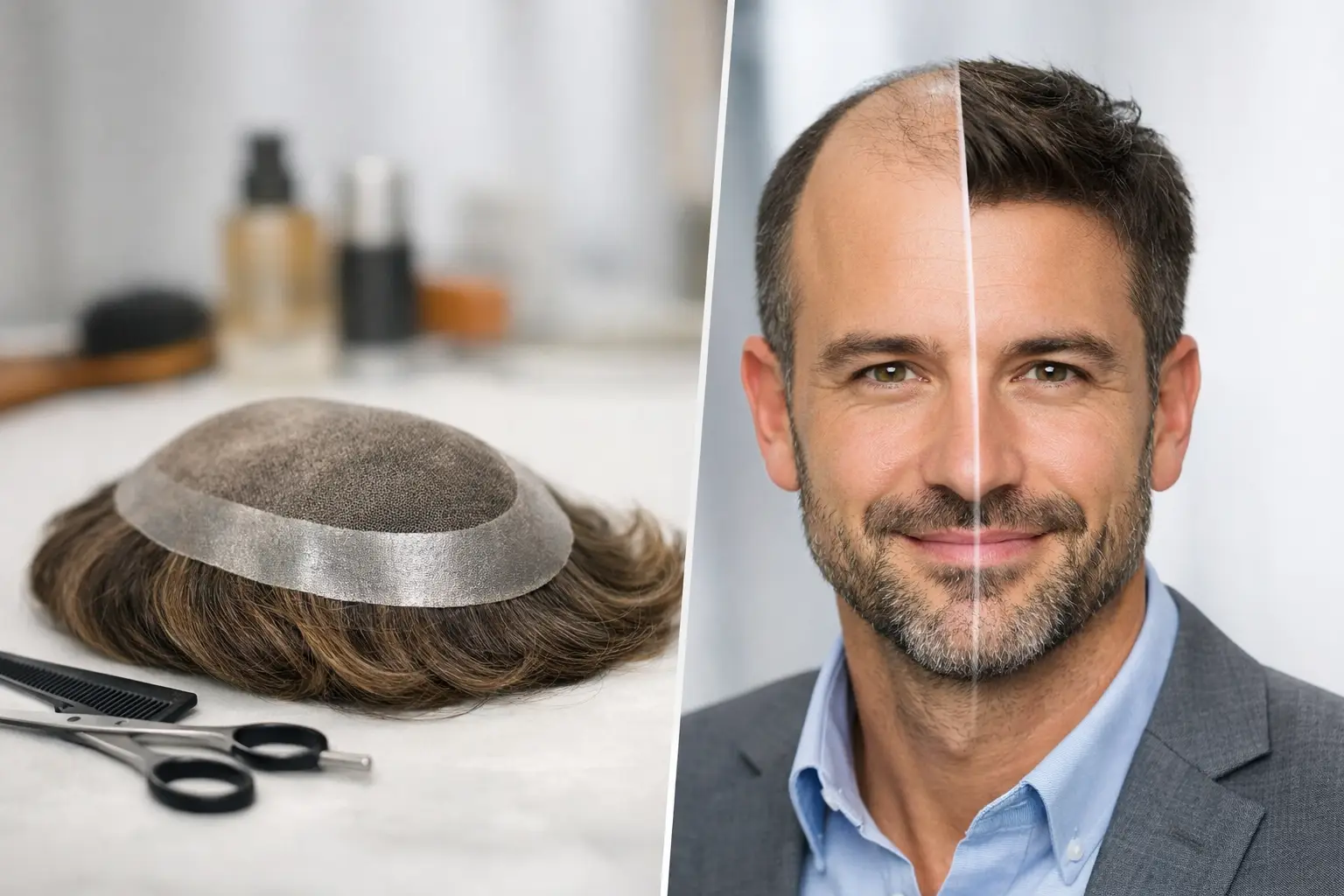
A hair replacement system can change more than a hairstyle. For many people, it means walking into a meeting, family gathering, or photo without worrying about a thinning crown or receding hairline. This hair replacement system review explains what separates a convincing, comfortable solution from one that creates more daily stress than confidence.
Non-surgical hair replacement is not a one-size-fits-all purchase. The best result depends on the quality of the base, the hair selection, the attachment method, the skill of the fitting specialist, and the level of maintenance you are prepared to take on. A system that looks excellent on someone else may not suit your scalp, lifestyle, hair-loss pattern, or expectations.
What a Hair Replacement System Is Designed to Do
A hair replacement system is a custom or semi-custom hairpiece designed to blend with your existing hair and cover areas of thinning or hair loss. It may be attached using medical-grade adhesive, tape, clips, or an integration method, depending on the system and your needs. Unlike a traditional wig, it is often designed for more continuous wear and a closer, lower-profile fit.
The strongest benefit is immediate visual improvement. There is no waiting period for regrowth, and the finished appearance can be adjusted for density, length, texture, curl pattern, and hairline style. For people with advanced hair loss, scarring, or medical hair loss, this can offer a level of coverage that topical treatments alone may not deliver.
That said, a hair system does not treat the underlying cause of hair loss. It is a cosmetic solution with meaningful lifestyle benefits, but it requires professional fitting and ongoing care to remain natural-looking.
Hair Replacement System Review: The Factors That Matter
A useful review should go beyond before-and-after photos. Natural results are possible, but they come from several details working together.
Hairline realism
The hairline is often the first feature people notice. A well-designed system should not look overly dense, too straight, or positioned too low for your age and facial structure. A natural hairline has slight irregularity, appropriate density, and a gradual transition between the system and your skin.
Base material also matters. Lace bases can create a very natural-looking front hairline because they are light and fine. Skin-style bases can offer a close appearance and may be easier to clean for some wearers. However, each has trade-offs in durability, breathability, and maintenance. The right choice depends on your desired look and daily routine.
Hair quality and movement
A quality system should move, part, and respond to styling in a believable way. Human hair usually offers the most natural styling flexibility, particularly if you want to use heat tools or change your part. Synthetic fibers can be convenient and may hold a style well, but they generally offer less versatility and can show wear differently over time.
Color matching deserves the same attention as hair type. Natural hair commonly contains subtle variations rather than one flat shade. An experienced specialist will assess your existing hair, skin tone, gray percentage, and preferred finish so the system blends rather than stands apart.
Comfort during real life
A system may look impressive in the chair but still be wrong if it feels hot, itchy, tight, or insecure during a long workday. Comfort depends on the base, attachment method, scalp condition, and how carefully the system is sized.
People who exercise frequently, work outdoors, wear helmets, or live in humid conditions should discuss this openly during consultation. Sweat and humidity do not automatically rule out hair replacement, but they can affect attachment longevity and the maintenance schedule. A breathable solution and realistic care plan are more valuable than a system that looks perfect only under ideal conditions.
Density that suits you
More hair is not always better. Excessive density can make a system look artificial, especially when it does not match the density at the sides and back of the head. The goal is usually believable fullness, not an exaggerated result.
A good specialist will consider your age, facial features, remaining hair, and personal style. Someone seeking a youthful, fuller look may choose more density, while another person may prefer a softer, mature hairline that is easier to maintain. Both can look natural when planned correctly.
The Maintenance Reality
The main trade-off with non-surgical hair replacement is maintenance. A system needs cleaning, reattachment or adjustment, conditioning, and occasional replacement as the hair and base naturally wear. The exact routine varies by product and attachment method, but it should never come as a surprise.
Your specialist should explain how often you will need service appointments, how to wash the system, which products are appropriate, and what to avoid. Harsh cleansers, excessive heat, or improper removal can shorten the life of the hairpiece and irritate the scalp.
It is also worth asking how the system will behave between appointments. Can you shower comfortably? Swim? Exercise? Style it at home? The answers should be practical and specific to your chosen system, not vague promises. With the right fit and care routine, many wearers continue their normal activities confidently, but expectations should be clear from the start.
Who May Benefit Most
Hair replacement can work well for men and women with pattern hair loss, diffuse thinning, alopecia-related hair loss, or a desire for added density without surgery. It can also be an option for people who are not currently suitable candidates for a transplant, do not have enough donor hair, or prefer an immediate cosmetic change.
For medical hair loss, scalp sensitivity, or sudden shedding, a professional assessment is especially valuable. The priority may be a comfortable medical wig, a temporary solution while treatment is underway, or a plan that combines aesthetic coverage with scalp-focused care.
It may not be the preferred route for everyone. If you want a lower-maintenance, permanent-leaning cosmetic option and have a suitable scalp and donor supply, scalp micropigmentation or a hair transplant consultation may be worth considering. If hair loss is early-stage, treatments intended to support existing follicles may also be part of the conversation. The right path depends on your goals, not on a single service being presented as the answer to every concern.
Questions to Ask Before You Commit
Before choosing a provider, ask to see results on clients with hair-loss patterns similar to yours. Ask whether the hairline, density, and color are customized, and request a clear explanation of maintenance costs and replacement timing. You should also ask what happens if the system feels uncomfortable, lifts unexpectedly, or does not meet the agreed expectations after fitting.
Privacy matters, too. Hair loss is personal, and the consultation process should feel discreet rather than rushed. A specialist should examine your scalp, listen to what you want to change, and explain suitable alternatives without pressure. At HairSpec, this consultation-led approach helps ensure a non-surgical system is selected for your lifestyle and not simply because it is the fastest option available.
A Result You Can Live With
The most successful hair replacement system is not necessarily the thickest, most expensive, or most dramatic. It is the one that looks like it belongs to you, feels comfortable through your normal routine, and comes with a maintenance plan you can realistically follow.
If you are considering a system, start with a professional scalp assessment and bring honest questions about your lifestyle, budget, and desired appearance. A thoughtful fitting can give you more than fuller-looking hair. It can give you the freedom to stop thinking about it every time you catch your reflection.