

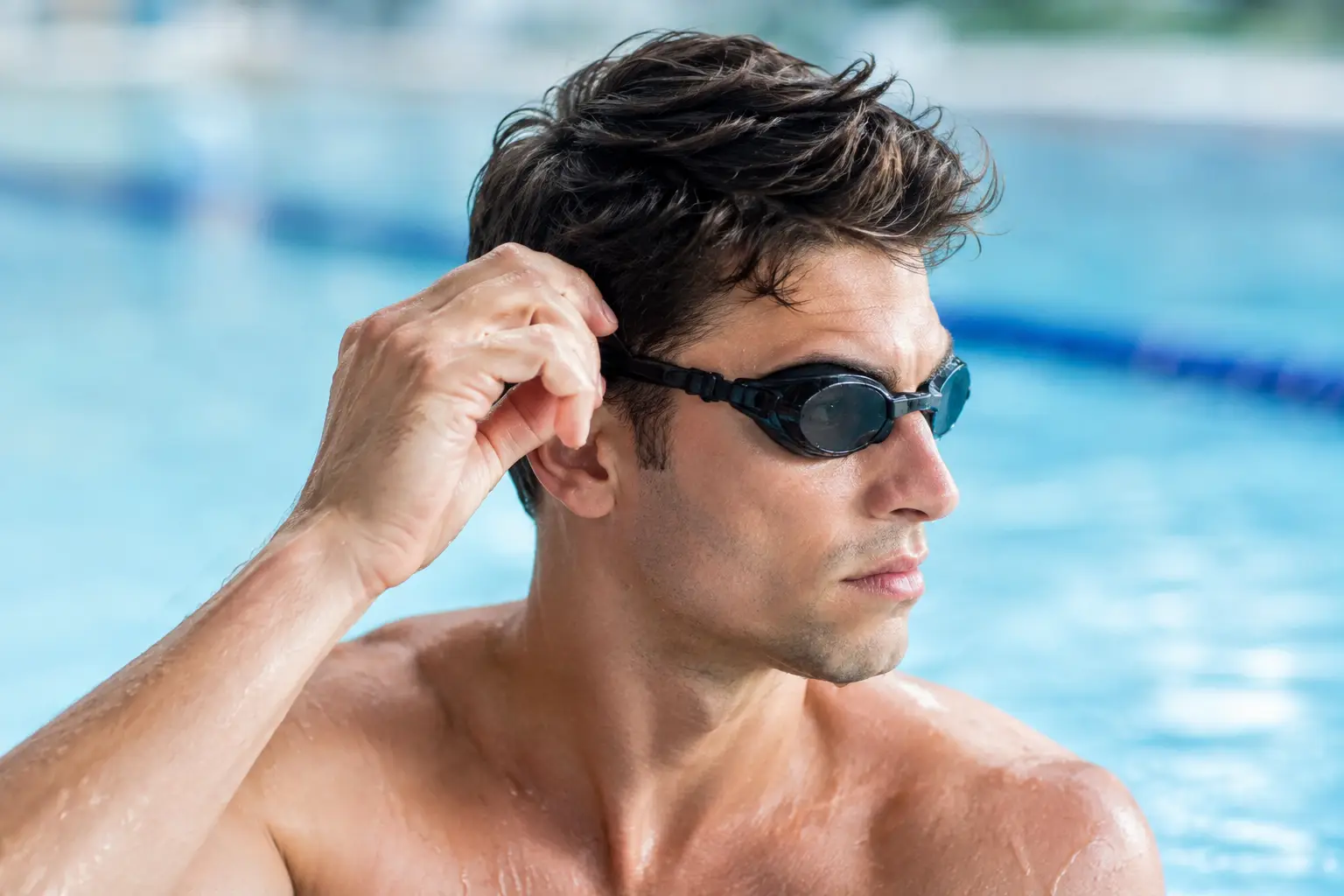
A pool should not force you to choose between enjoying the water and feeling confident about your hair. A hair system for swimmers can be a practical option for people with thinning hair or hair loss, but success depends on more than choosing a natural-looking piece. The base material, attachment method, swimming habits, and after-swim routine all affect how secure and comfortable it feels.
For lap swimmers, beachgoers, and anyone who spends regular time in the water, the goal is not to find a system that is completely unaffected by water. Chlorine, salt water, heat, and friction will all place stress on the hair and bond over time. The right solution is one designed around your lifestyle, with realistic care expectations and professional fitting.
Can You Swim With a Hair System?
Yes, many people can swim while wearing a professionally fitted hair system. A quality system with an appropriate adhesive or tape bond can stay in place during normal recreational swimming and even regular exercise. However, swimming is more demanding than daily wear. Water exposure can gradually weaken adhesives, while a swim cap can create friction at the hairline and around the edges.
How often you swim matters. Someone who takes an occasional vacation swim may need only minor adjustments to their usual routine. A person who swims several times a week, teaches aquatic fitness, or trains competitively may benefit from a more durable bonding plan, a lower-maintenance base, and more frequent service appointments.
A consultation should also consider your scalp condition. Excess perspiration, oily skin, sensitivity, dandruff, or certain medical treatments can influence which attachment option is most comfortable and reliable. There is no single best system for every swimmer, which is why a personalized assessment is more useful than a one-size-fits-all recommendation.
Choosing a Hair System for Swimmers
The most suitable hair system balances a realistic hairline with the durability your routine requires. Ultra-thin skin bases can create an exceptionally natural appearance, especially at the front hairline, but they may need more careful handling around pool chemicals and repeated cap friction. More durable skin bases or mesh designs can be better for active wear, though the look, breathability, and maintenance schedule may differ.
Mesh systems are often appreciated for their light feel and airflow. They can be an excellent choice for people who feel warm easily under a cap or live an active lifestyle. At the same time, delicate mesh requires gentle cleaning and careful detangling after swimming. A durable polyurethane perimeter may be added to certain designs to provide a stronger surface for tape or adhesive while preserving a natural-looking finish in visible areas.
Hair type is another practical consideration. If you swim frequently, selecting a manageable length and texture can make after-swim care easier. Longer hair can look beautiful, but it requires more conditioning and detangling after exposure to chlorine or salt water. A specialist can help match the density, curl pattern, color, and direction of your natural hair so the system remains believable both in and out of the water.
Adhesive strength is not the only factor
It is understandable to assume the strongest possible adhesive is always the answer. In reality, stronger is not necessarily better for every scalp. An overly aggressive bond can be uncomfortable, harder to remove, or unsuitable for sensitive skin. The aim is a secure hold that fits your expected swimming schedule and can be maintained without compromising scalp comfort.
Professional-grade tapes may suit people who prefer scheduled refits and straightforward removal. Liquid adhesives can offer a clean, close finish at the hairline and may be selected when appearance is a major priority. Some people use a combination of methods, with a more secure attachment around high-stress areas and a lighter approach where comfort or breathability is needed.
Pool Water, Salt Water, and Sweat: What Changes?
Chlorine can dry the hair fibers in a system, particularly if the hair has been color-treated. It may also gradually affect the adhesive bond. Salt water can leave the hair feeling coarse and tangled if it is allowed to dry without rinsing. Neither means swimming is off-limits, but both make a consistent care routine essential.
Sweat matters too. A hard swim session, humid weather, and time spent under a tight cap can create moisture at the scalp. When moisture remains trapped, it can cause itching, odor, or premature lifting around the perimeter. This is why an active swimmer should pay attention to drying the scalp area properly rather than focusing only on the visible hair.
Waterproof does not mean maintenance-free. Even a well-bonded system can require earlier servicing when exposed to pools or the ocean often. Planning for that maintenance is usually easier and more comfortable than waiting until an edge begins to lift unexpectedly.
A Better Swim Routine for Your Hair System
Preparation before entering the pool can reduce unnecessary stress on the system. If your hair system has recently been attached, allow the recommended setting time before swimming. The exact waiting period depends on the adhesive and your scalp, so follow the instructions given during your fitting rather than guessing.
Before swimming, wet the hair with fresh water if possible. Hair that is already saturated with clean water may absorb less chlorinated or salty water. Apply a suitable leave-in conditioner or protective product recommended for alternative hair, keeping heavy products away from the attachment area. Then secure the hair gently beneath a well-fitted swim cap.
A cap should fit snugly enough to reduce drag but not so tightly that it constantly rubs the front edge or pulls on the hair. Silicone caps tend to be durable and form-fitting, while softer fabric options may feel gentler but offer less protection from water. It may take trying more than one style to find a cap that works with your system and swimming routine.
After the swim, rinse immediately with fresh water. Do not wait until you get home if chlorine or salt water has been sitting on the hair. Use a gentle, sulfate-free cleanser formulated for hair systems when needed, then condition the lengths to maintain softness. Avoid scrubbing the base or attachment area aggressively.
Pat the hair dry with a towel rather than rubbing it. Detangle carefully from the ends upward using a wide-tooth comb or a brush approved for your hair type. If you use a blow dryer, choose low to medium heat and avoid directing prolonged heat at bonded edges. Check the perimeter periodically for early signs of lifting, especially after long pool sessions.
When Swimming May Call for a Different Solution
A hair system can work well for many swimmers, but it is not the only path to a fuller-looking appearance. If you spend hours in the water every day, have a very reactive scalp, or do not want the upkeep associated with regular bonding, other options may be worth considering.
Scalp micropigmentation can create the appearance of closely cropped density without a hairpiece or adhesive. It can be particularly appealing for people who prefer a short hairstyle and want a low-maintenance solution for aquatic sports. Hair transplant treatment may be appropriate for eligible candidates seeking to restore their own growing hair, although it requires medical assessment, recovery time, and realistic expectations about coverage.
For some people, a combination approach delivers the best cosmetic result. Scalp micropigmentation can reduce the contrast between the scalp and the hair system, allowing for a lighter-looking density or a more natural appearance if the hair is wet. The right choice depends on your pattern of hair loss, lifestyle, goals, and comfort with ongoing maintenance.
How often should a swimmer have a hair system serviced?
There is no fixed schedule because bond longevity varies by skin type, adhesive, activity level, and water exposure. Frequent swimmers often need checks or refits sooner than occasional swimmers. A specialist can set a practical maintenance schedule after seeing how your system performs in real conditions.
Can a hair system come off in the pool?
A properly attached system should not come off during normal swimming. Still, poor preparation, a worn bond, heavy oil buildup, or prolonged water exposure can increase the risk of lifting. Regular maintenance is the best protection against an avoidable surprise at the pool.
Confidence around water starts with choosing a solution that respects your real routine, not an idealized version of it. At HairSpec, a private scalp assessment can help identify a hair replacement approach that looks natural, feels comfortable, and gives you clearer expectations before your next swim.