
A hair system can change the way you see yourself in the mirror within a single appointment. That immediate result is part of its appeal, especially when hair thinning has begun to affect your confidence at work, in photos, or in everyday social situations. But are hair systems safe? For most people, yes – when the system is properly selected, fitted, cleaned, and maintained. Safety depends less on the idea of wearing a hair system and more on the quality of the materials, the condition of your scalp, and the expertise behind the fitting.
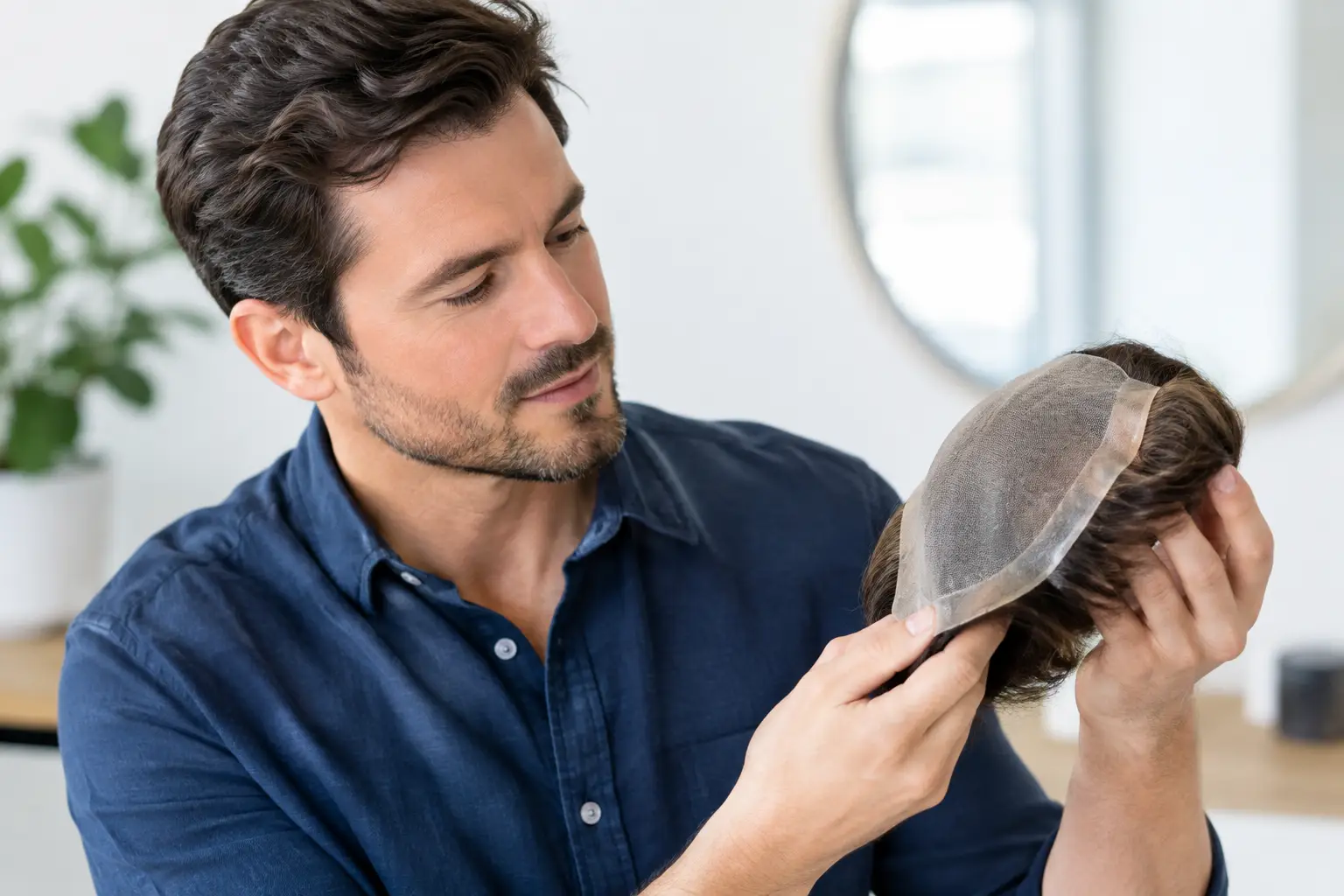
A non-surgical hair replacement system is designed to sit comfortably on the scalp and create the appearance of natural, fuller hair. It does not stop existing hair growth, nor does it cause pattern baldness. However, like any product worn closely against the skin, it needs thoughtful care. The wrong adhesive, an overly tight fit, poor hygiene, or an untreated scalp concern can turn a confidence-building solution into a source of discomfort.
Are Hair Systems Safe for Your Scalp?
Hair systems are generally safe for a healthy scalp when they are made with skin-friendly materials and applied correctly. Modern systems may use fine mesh, polyurethane, silicone, or a combination of base materials. Each option has different strengths. A lightweight mesh base can feel breathable and natural, while a polyurethane base may offer a secure surface for adhesive attachment and easier cleaning.
The right choice depends on your lifestyle, scalp sensitivity, desired hairline, activity level, and how often you want to remove the system. Someone who exercises heavily may prioritize breathability and a maintenance routine that manages sweat effectively. Someone with a highly sensitive scalp may need a gentler adhesive approach or a system designed for more frequent removal.
A well-fitted hair system should not feel painfully tight, pull at your natural hair, or create persistent pressure points. Mild awareness during the first day or two can happen as you adjust to wearing something new, but soreness, itching, burning, or headaches are not signs to ignore. A specialist should assess the fit and make adjustments rather than asking you to simply tolerate discomfort.
The Main Safety Factors That Matter
The material itself is only one part of safe hair replacement. The day-to-day experience is shaped by several connected factors.
Adhesives and skin sensitivity
Tapes and liquid adhesives are widely used to secure hair systems. Quality products are formulated for scalp use, but skin reactions can still occur. Fragrance, solvents, latex, or certain adhesive ingredients may irritate sensitive skin. This is why a patch test is a sensible first step, particularly if you have a history of eczema, contact dermatitis, allergies, or reactions to cosmetics.
Your attachment method should also match your lifestyle. A long-wear adhesive can be convenient and secure, but it requires proper removal and scheduled cleaning. Pulling off a bonded system without an appropriate remover can irritate the scalp and damage the hair unit. For people who prefer regular scalp access, daily-wear tape or clip-based options may be more suitable.
Hygiene under the system
A hair system creates a covered environment on the scalp. Sweat, sebum, product buildup, and humidity can accumulate if the system is left on longer than recommended or cleaned inconsistently. That may lead to odor, itching, clogged follicles, or scalp inflammation.
Good maintenance protects both comfort and appearance. This includes cleaning the scalp during service appointments, washing the hair system with suitable products, fully drying it before reapplication, and replacing adhesive on schedule. In Singapore’s warm, humid climate, consistent scalp hygiene matters even more for those who work out often or spend long hours outdoors.
The condition of your scalp before fitting
Hair systems are not a substitute for diagnosing a scalp condition. If you have active psoriasis, severe dandruff, open sores, unexplained redness, fungal infection, or sudden patchy hair loss, the scalp should be assessed before a system is bonded in place. Covering an irritated area can trap moisture and make an existing issue harder to manage.
The same applies to hair loss that begins rapidly or comes with scalp pain, scaling, or changes in overall health. A hair replacement system may still be part of your appearance plan later, but the underlying cause deserves professional medical attention first.
Quality of fit and installation
A natural-looking result should never come at the expense of comfort. Systems that are too small can create tension. Systems that are too large may shift, rub, or encourage overuse of adhesive. An experienced specialist considers head shape, hair density around the perimeter, skin condition, hair direction, and the hairline design before custom-cutting and securing the unit.
This personalized approach also helps protect existing hair. A system should blend with your remaining hair rather than rely on aggressive attachment methods that place unnecessary strain on it.
Can Hair Systems Damage Existing Hair?
A professionally fitted and maintained hair system should not damage healthy existing hair. The concern usually arises when removal is rushed, adhesive is applied into hair-bearing areas without a proper plan, or the system is worn for too long between maintenance sessions.
Traction is another avoidable issue. If clips, tapes, or attachment points repeatedly pull on the same fine hairs, breakage or traction-related thinning can occur over time. This does not mean every attachment method is risky. It means the method must be selected carefully and reviewed as your natural hair density changes.
For people with significant thinning, a bonded system may be preferable to clips because it avoids repeatedly gripping fragile strands. For others, a removable option provides more flexibility. There is no universally best method – only the method that best suits your scalp, hair loss pattern, routine, and comfort level.
Who Should Take Extra Care?
Hair systems can be an excellent option for many people, including those with pattern hair loss, diffuse thinning, or a desire for immediate cosmetic density. Still, extra professional guidance is wise if you have a highly reactive scalp, diabetes with slow-healing skin concerns, an autoimmune condition affecting the skin, or are undergoing medical treatment that changes skin sensitivity.
People experiencing chemotherapy-related hair loss or other medically related shedding may benefit from a carefully chosen medical wig or non-adhesive option while the scalp is sensitive. Those considering a future hair transplant should also discuss how a system fits into their longer-term plan, particularly if adhesive will be used near areas being prepared for treatment.
A consultation is valuable because it separates what looks good in a photo from what will feel comfortable and sustainable in real life. A responsible provider should ask about your health history, current scalp symptoms, exercise habits, styling preferences, and maintenance expectations before recommending a solution.
Signs Your Hair System Needs Attention
Do not wait for a routine appointment if you notice persistent itching, burning, redness, tenderness, unusual odor, excess buildup, or a system that is lifting and rubbing against the scalp. Remove or have the system professionally removed if needed, then allow the scalp to be checked.
Shedding from the hair system itself is also worth addressing early. It may indicate that the unit needs repair, replacement, gentler handling, or a different care routine. Trying to solve every issue by adding more adhesive can make cleanup harder and increase irritation.
Safe Hair System Care Starts With the Right Support
The safest hair system is not necessarily the most expensive or the most heavily bonded. It is the one that fits your scalp, lifestyle, and expectations, with a realistic maintenance schedule you can follow. You should feel secure enough to move through your day confidently, without constantly worrying about discomfort, shifting, or damage.
At HairSpec, a personalized scalp assessment can help identify whether non-surgical hair replacement, a removable hair solution, scalp micropigmentation, restorative treatment, or another approach is the better fit. The goal is not simply to add hair. It is to give you a solution that looks natural, feels comfortable, and supports confidence without asking your scalp to compromise.