

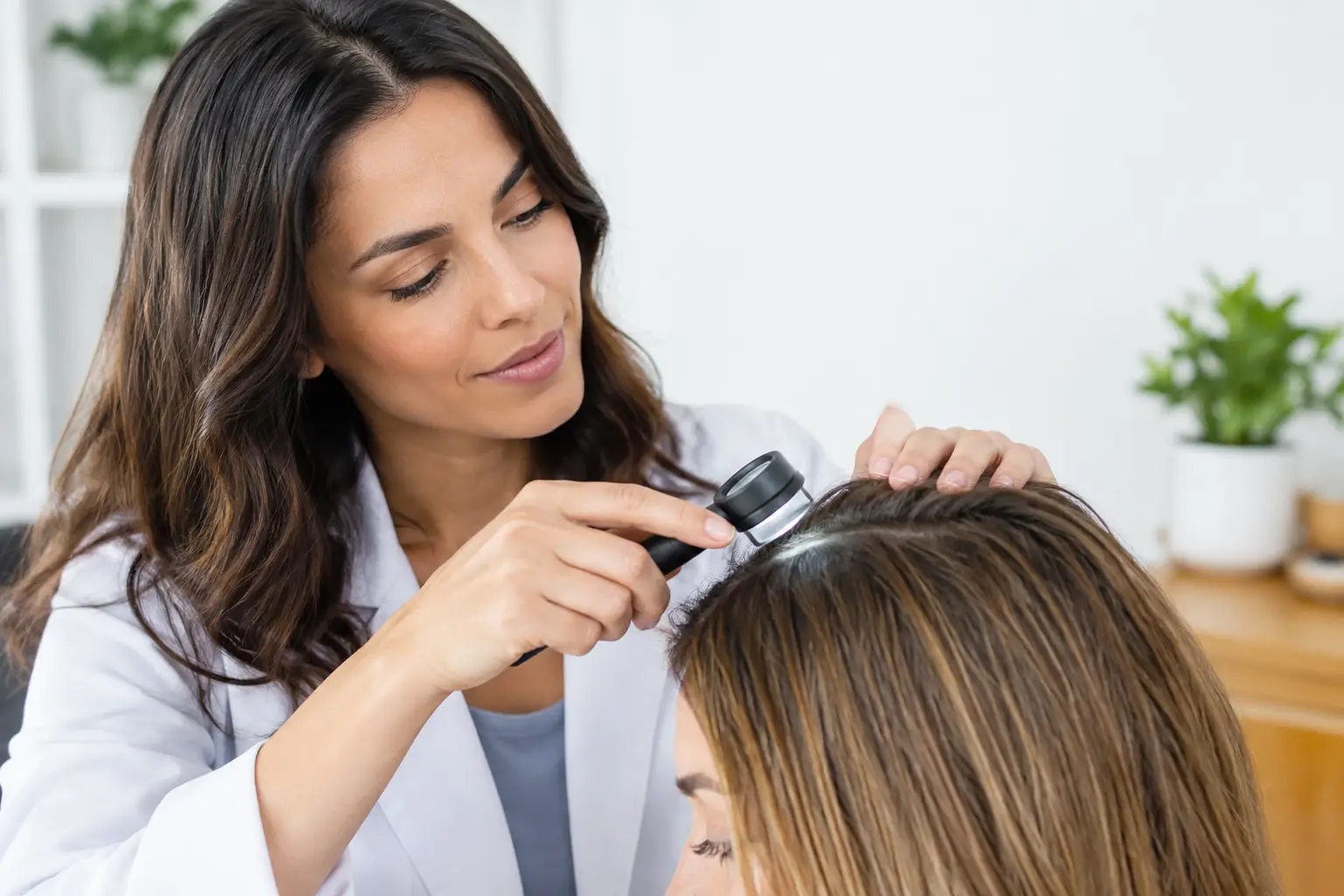
A scalp assessment is not a test you need to pass. It is a private, practical starting point for understanding why your hair may be thinning, shedding, or no longer looking as full as it once did. When you prepare for a scalp assessment with a few simple details in mind, your specialist can get a clearer view of your scalp condition, hair pattern, and the solutions that may suit your goals.
For many people, the concern is not simply hair loss. It is the uncertainty around it. You may be noticing more hair in the shower, a widening part, a receding hairline, patchy density, or a change after stress, illness, pregnancy, medication, or styling damage. A thorough consultation turns those observations into a more informed next step.
What Happens During a Scalp Assessment?
A professional scalp assessment looks beyond how much hair appears to be missing. Your specialist may examine the scalp, hair density, follicle condition, hair shaft quality, and the areas where thinning is most visible. They will also ask about your hair history, health background, lifestyle, and what you would like to change.
The purpose is to distinguish between concerns that can look similar in the mirror but may need different approaches. For example, gradual pattern thinning may call for a different plan than breakage caused by frequent chemical services or sudden shedding following a stressful period. A dry, irritated scalp may also need attention before certain restorative or cosmetic services are considered.
An assessment is also the right time to discuss the outcome you want. Some clients want to slow the appearance of thinning. Others want immediate coverage for an event, a natural-looking fuller hairline, or a longer-term plan that combines treatments. There is no single right solution. The best recommendation depends on your scalp, hair, lifestyle, budget, and comfort level.
How to Prepare for a Scalp Assessment
You do not need to overhaul your routine before your appointment. In fact, trying to conceal every sign of thinning can make the consultation less useful. Arrive with your hair and scalp as close to their normal state as possible, unless the clinic has given you different instructions.
Wash your hair, but skip heavy styling products
Clean hair allows the specialist to see the scalp more clearly. Wash your hair as you normally would the night before or on the day of your appointment, especially if there is visible buildup from dry shampoo, hair fibers, oils, sprays, or styling creams.
At the same time, avoid applying heavy oils, scalp serums, tinted root sprays, hair concealers, or thick waxes immediately before the visit. These products can obscure the scalp, affect the appearance of hair density, or make it harder to assess flaking, redness, and oil production. If you rely on hair fibers or a concealer for confidence, bring it with you and apply it after the assessment if needed.
Do not feel pressured to style your hair into a certain shape. A specialist needs to see how your hair naturally falls, where your part sits, and which areas become visible under normal movement.
Be ready to share your hair history
A few details can make a major difference to the quality of your recommendation. Think about when you first noticed a change and whether it has been gradual, sudden, or intermittent. It is useful to mention whether hair loss runs in your family, whether your scalp feels itchy or sensitive, and whether you have noticed increased shedding on pillows, brushes, or in the shower.
Your recent hair routine matters too. Chemical coloring, bleaching, perming, straightening, tight braids, extensions, and frequent heat styling can all affect the hair shaft and scalp. This does not mean you have caused your hair loss. It simply gives your specialist more context about whether breakage, traction, scalp irritation, or reduced density may be contributing to what you see.
If you have old photos that show your hairline or part from one or two years ago, keep them accessible on your phone. They can help identify whether a change is stable or progressing, particularly when hair loss has been gradual enough to be hard to notice day to day.
Bring a current list of medications and relevant health changes
Hair growth can be influenced by many factors beyond your styling routine. Recent illness, surgery, major stress, rapid weight loss, hormonal changes, nutritional restrictions, and new medications may all be relevant to a shedding concern. Share what you are comfortable sharing, but be as accurate as possible.
Bring a list of prescription medications, over-the-counter products, supplements, and vitamins you use regularly. Do not stop a prescribed medication because of hair concerns without speaking with the clinician who prescribed it. A scalp assessment can identify questions worth raising with your doctor, but it does not replace medical diagnosis or care.
If you have a diagnosed scalp condition, allergies, a history of skin sensitivity, or previous reactions to adhesives, hair color, or topical products, mention this early. It helps the specialist recommend options that prioritize comfort as well as appearance.
Know what you want, even if you are unsure how to get there
You do not need to arrive knowing whether you want hair replacement, scalp micropigmentation, low-level laser therapy, a transplant, or another approach. That is the value of a consultation-led process. However, it helps to think about what would make you feel more confident.
Perhaps you want your hairline to look less sparse in professional settings. Maybe you want a fuller crown without daily camouflage, or you are looking for a discreet solution while your natural hair recovers. You may be concerned about a medical hair loss condition and want a comfortable, natural-looking option that fits your routine.
Be open about practical preferences as well. Ask yourself how much maintenance you can manage, whether you are comfortable with ongoing appointments, how quickly you want a visible change, and what your budget range may be. A solution that looks excellent but does not fit your lifestyle is rarely the right long-term choice.
Questions Worth Asking During Your Visit
A good assessment should leave you feeling informed, not pressured. Ask what the specialist observes, what may be contributing to your concern, and whether there are signs that warrant a medical evaluation. If several options are available, ask how they differ in appearance, maintenance, longevity, cost, and suitability for your scalp.
For non-surgical hair replacement, wigs, toupees, or hair weaving, ask how the result will be customized to match your hair color, texture, density, and preferred style. Discuss attachment methods, scalp comfort, maintenance visits, and what everyday activities may require extra care.
For scalp micropigmentation, ask how the hairline will be designed, how pigment color is selected, how many sessions may be needed, and how the look can be kept soft and natural as your preferences change. For restorative options such as low-level laser therapy, mesotherapy, or hair transplant services, ask about realistic timelines. Hair growth and visual density do not follow the same schedule for every person.
The most useful question is often the simplest: “What would you recommend if your priority were a natural result that I can realistically maintain?” It invites advice that considers the whole picture rather than one service in isolation.
Avoid These Common Appointment Mistakes
The first mistake is waiting until your hair loss feels “bad enough.” Early assessment can give you more choices, especially when thinning is progressing. You do not need dramatic bald patches to seek professional guidance.
The second is arriving with a fixed solution based only on what worked for someone else. A treatment that suits a friend, family member, or social media creator may not suit your scalp, pattern of loss, or desired level of maintenance. Be clear about your interest, but allow the assessment to guide the decision.
Finally, avoid minimizing how hair loss affects you. Feeling self-conscious about photographs, meetings, dating, or simply looking in the mirror is a valid reason to seek support. The goal is not to convince you that your concern is serious enough. It is to help you choose a response that feels right for you.
Turn Clear Information Into a Personal Plan
After the assessment, you should have a better understanding of your scalp condition, the likely factors behind your concern, and the options available to you. You may decide to begin with a non-invasive approach, choose immediate cosmetic coverage, pursue a restorative program, or take time to consider the recommendation. Each path can be appropriate when it aligns with your needs.
At HairSpec, the focus is on creating a plan that respects both the technical side of hair loss and the personal side of confidence. A clear assessment gives you room to make decisions without guesswork, pressure, or the need to hide what you are going through.
Your hair concern deserves more than a quick glance in the mirror. Bring your real routine, your questions, and your goals to the appointment, then let expert guidance help you move forward in a way that feels comfortable and genuinely yours.