

A widening part, more hair in the shower drain, or a receding hairline can change how you feel before anyone else notices a difference. Understanding how mesotherapy supports hair growth can help you decide whether this minimally invasive treatment belongs in your plan, especially when you want to address thinning without immediately committing to surgery.
Mesotherapy is not a replacement for a careful hair loss diagnosis. It is a scalp-focused treatment that may support healthier follicles by delivering selected active ingredients into the skin layer where follicles live. For the right person, it can be a useful part of a broader strategy for maintaining density, improving the appearance of fine hair, and supporting existing growth.
What Is Hair Mesotherapy?
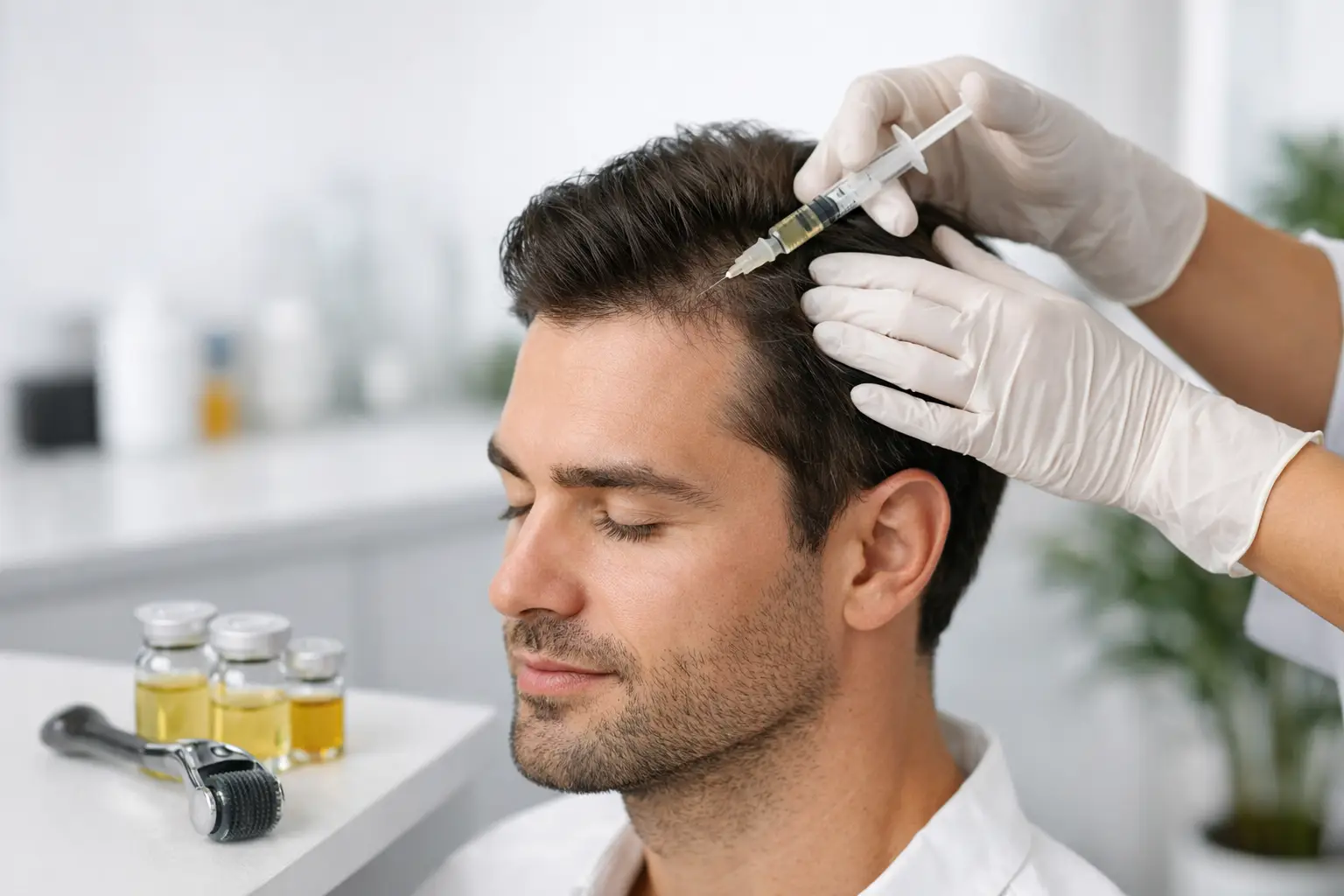
Hair mesotherapy involves a series of very small injections into the scalp. A trained practitioner uses these injections to place a customized solution directly into targeted areas of thinning. Depending on the treatment protocol and individual needs, the solution may contain vitamins, amino acids, minerals, peptides, hyaluronic acid, or other ingredients intended to support scalp and follicle function.
The principle is straightforward: topical products must pass through the scalp barrier, while oral supplements circulate throughout the body. Mesotherapy is designed to bring selected ingredients closer to the follicles themselves. That local approach is why it appeals to people looking for a non-surgical option with little downtime.
However, the exact formula matters. Not every clinic uses the same ingredients, and evidence for individual mesotherapy cocktails varies. A reputable provider should explain what is being used, why it has been selected, and what outcome is realistic for your pattern of hair loss.
How Mesotherapy Supports Hair Growth
Hair follicles need an environment that supports a healthy growth cycle. Genetics, hormones, inflammation, nutritional status, stress, scalp conditions, and some medical treatments can all affect that environment. Mesotherapy aims to support several aspects of scalp health rather than offering an instant cure for every kind of hair loss.
Supporting the follicle environment
During treatment, microinjections may stimulate a localized healing response in the scalp. This process can encourage circulation around the follicle area and may support the delivery of oxygen and nutrients. When follicles are still active but producing finer, weaker strands, improving the scalp environment may help them function more effectively.
This is most relevant to early thinning. If a follicle has been inactive for a long time and the area is smooth and bare, mesotherapy is less likely to produce meaningful regrowth on its own. In those cases, hair transplantation, scalp micropigmentation, or a non-surgical hair replacement solution may be more appropriate depending on your goals.
Delivering targeted nutrients and actives
The ingredients used in mesotherapy are chosen to support the scalp and hair shaft at a local level. Amino acids may support keratin production, while vitamins and minerals may be included where nutritional support is relevant. Hydrating ingredients can also improve scalp comfort for people whose dryness or irritation contributes to a less healthy growing environment.
The value is not simply in adding more ingredients. Hair loss is rarely solved by one vitamin injection or one product. The most effective approach considers whether thinning is linked to androgenetic hair loss, shedding after illness or stress, hormonal changes, traction, scalp inflammation, or another cause.
Helping fine hair look fuller over time
For many people, the visible concern is not complete baldness but gradual miniaturization. Hair becomes finer, the scalp shows more easily under bright light, and styling takes more effort. By supporting existing follicles and scalp condition, mesotherapy may help improve the quality and appearance of growing hair over a course of treatments.
Results vary. Some clients notice reduced shedding or improved hair texture before they notice a visible change in density. Others may benefit most when mesotherapy is paired with treatments such as low-level laser therapy, which uses controlled light energy to support follicle activity without injections.
Who May Be a Good Candidate?
Mesotherapy is often considered by adults with early to moderate diffuse thinning, widening parts, mild pattern hair loss, or hair that has started to look weaker and less dense. It can suit men and women who prefer a treatment with minimal recovery time and who are willing to follow a series-based plan rather than expect a one-visit transformation.
It may also be considered as supportive care before or after other hair restoration treatments, when recommended by a qualified professional. For example, someone seeking to preserve existing hair around a transplant area may have different needs from someone whose primary goal is cosmetic coverage for advanced hair loss.
A consultation is especially important if shedding began suddenly, occurs in patches, follows pregnancy or a major illness, or comes with itching, scaling, pain, or scalp redness. Those signs can point to a medical or dermatological issue that needs assessment before cosmetic treatment begins.
What a Mesotherapy Appointment Feels Like
A mesotherapy session usually begins with a review of your scalp, hair density, medical history, and treatment goals. The scalp is cleansed, and the practitioner delivers a series of small injections across the selected treatment areas. Most appointments are relatively short, although timing depends on the size of the area and the protocol being used.
You may feel brief pinching or pressure during the injections. Some people experience mild tenderness, redness, pinpoint bleeding, or small bumps afterward. These effects are usually temporary. Your provider may advise you to avoid vigorous exercise, swimming, direct sun exposure, or washing your hair for a short period after treatment.
The number of sessions is individualized. A course commonly involves more frequent sessions at the beginning, followed by maintenance visits if you respond well. Consistency matters because the hair growth cycle is slow. It often takes several months to judge whether a treatment is improving shedding, thickness, or visible coverage.
The Trade-Offs to Consider
Mesotherapy can be appealing because it is non-surgical, discreet, and requires little interruption to daily life. But it is still an injectable procedure, and it is not suitable for everyone. Possible risks include discomfort, bruising, swelling, infection, allergic reaction, and irritation from the ingredients used.
It also requires realistic expectations. Mesotherapy may support healthier-looking hair and help preserve follicles that are still functioning, but it cannot reliably recreate a full head of hair in an area where follicles are no longer viable. The strongest results often come from matching the treatment to the cause and stage of hair loss rather than choosing a procedure based on popularity alone.
Cost and commitment should also be considered. A single session is rarely enough to evaluate results, so ask about the recommended course, maintenance needs, and how progress will be measured. Clear before-and-after photography and scalp assessment findings can make those conversations more meaningful.
Building a Personalized Hair Growth Plan
The best hair restoration plan starts with the question, “What is happening to your hair?” A detailed scalp assessment can identify the pattern of thinning, the condition of the scalp, and the amount of active hair remaining. From there, mesotherapy may be recommended alone or alongside low-level laser therapy, medical guidance, hair spa care, hair replacement, or other solutions that fit your lifestyle and desired outcome.
At HairSpec, this consultation-led approach helps ensure that treatment is based on your hair’s current condition, not a one-size-fits-all promise. Privacy, comfort, and natural-looking results matter just as much as the technology used.
If you are considering mesotherapy, focus on finding experienced guidance and a plan that can adapt as your hair changes. The right next step is not always the most aggressive one. It is the option that gives your active follicles the support they need while helping you feel more confident in how you look now.