

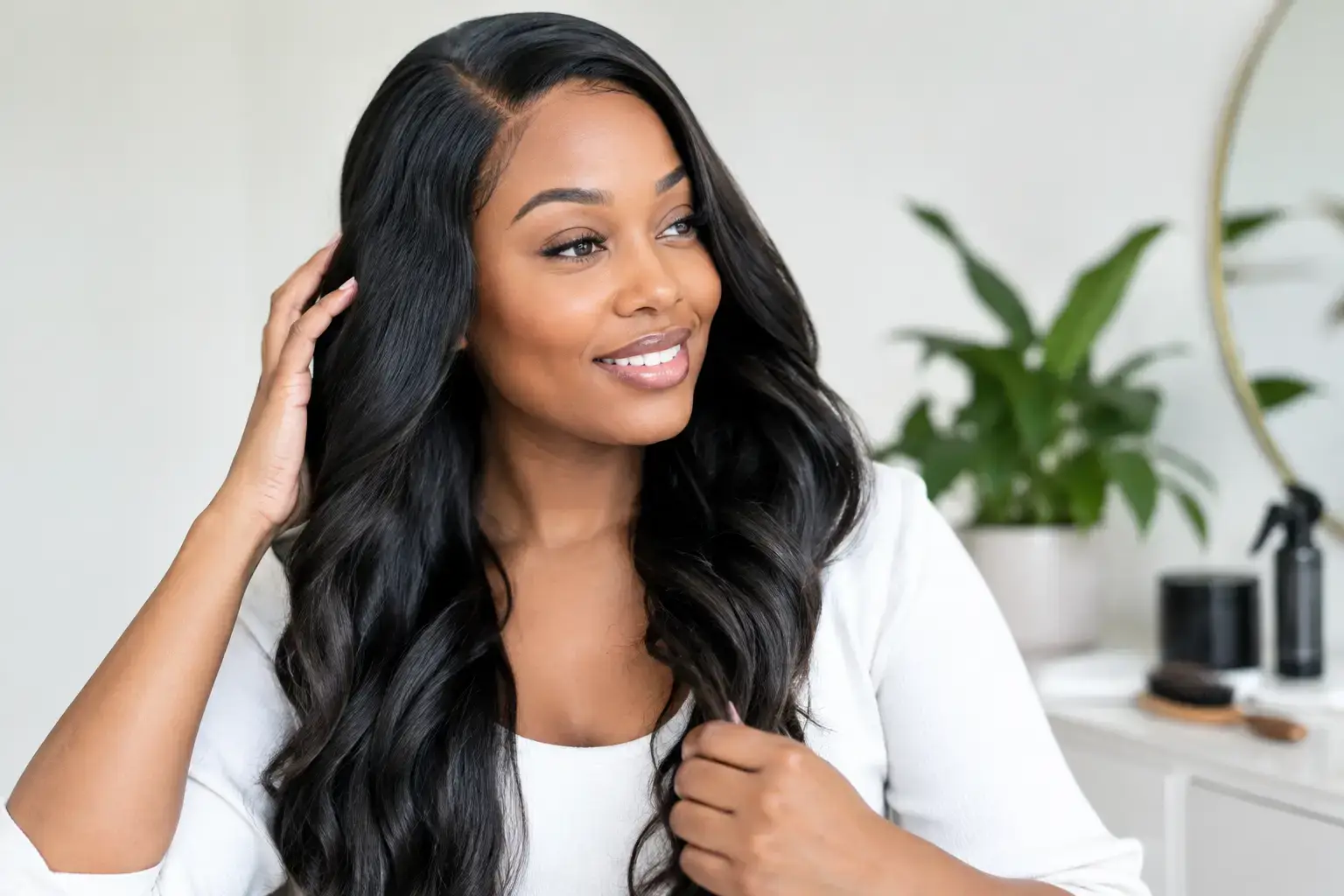
A well-fitted hair weave should make your morning routine easier, not leave you worrying about itching, tangles, loose tracks, or thinning around the hairline. Effective hair weaving maintenance is what keeps the result looking natural while protecting the hair and scalp underneath. It is also the difference between wearing a style comfortably and holding onto it long after it should have been adjusted or removed.
Hair weaving can be an excellent non-surgical option for creating fuller-looking hair, covering areas of thinning, or changing your style without waiting for natural hair growth. Yet the weave is only one part of the solution. Your natural hair, scalp condition, lifestyle, and installation method all affect how often you need care and what that care should involve.
Hair Weaving Maintenance Starts With a Healthy Foundation
A weave should never be installed on an irritated, severely flaky, or unhealthy scalp without first addressing the underlying concern. Tightness, persistent tenderness, redness, or painful bumps are not signs that you simply need to “get used to” a new installation. They can indicate excessive tension, product buildup, or a scalp issue that deserves professional attention.
Before and during installation, the key is balanced tension. A secure attachment matters, but tighter is not better. Hair that is pulled too firmly can be stressed at the roots, particularly around the temples, nape, and hairline. Over time, repeated tension may contribute to breakage or traction-related thinning.
The right approach depends on the density and strength of your natural hair. Someone with early thinning may need a lighter, more strategic weave design than someone using a weave primarily for length or volume. This is why consultation matters. A specialist can assess the scalp, hair density, and areas of vulnerability before recommending an attachment method and maintenance plan.
How to Care for a Hair Weave at Home
The goal of at-home care is straightforward: keep the scalp clean, protect the attachment points, and prevent the added hair from becoming dry or matted. This does not require an overloaded shelf of products. Consistency and gentle technique matter more.
Wash the hair and scalp regularly using a diluted, sulfate-free shampoo or a cleanser recommended for your hair type and installation. Focus on the scalp between the tracks or attachment areas, using the pads of your fingers rather than your nails. Rinse thoroughly. Shampoo residue, oils, and heavy styling products can cause itching, odor, and buildup that makes the weave harder to manage.
Follow with a lightweight conditioner on the lengths of the weave, avoiding heavy creams or oils near knots, braids, bonds, or other attachment points. If the added hair is human hair, it still benefits from moisture, but it does not receive natural oils from the scalp in the same way your growing hair does. Conditioning the lengths helps maintain softness and movement without compromising the installation.
Drying is just as important as washing. Do not leave the base damp for hours, especially in Singapore’s humid climate or after exercise. Moisture trapped close to the scalp can contribute to discomfort, odor, and tangling. Blot gently with a towel, then use a hood dryer or blow-dry on an appropriate heat setting until the base is fully dry.
For daily styling, detangle in small sections from the ends upward. A wide-tooth comb or appropriate extension brush can reduce unnecessary pulling. Hold the hair near the roots as you detangle so force is not transferred directly to the attachment points. If you wear curly or textured added hair, finger-detangling with a light leave-in product may be the better choice.
Protect the weave while you sleep
Nighttime friction is a common reason a weave loses its smooth finish too quickly. Wrap longer hair, braid it loosely, or secure it in a low-tension style before bed. A satin or silk scarf, bonnet, or pillowcase helps reduce friction and moisture loss.
Avoid sleeping with wet hair. It may seem harmless after a late shower, but damp hair is more likely to mat, and a damp base is harder on the scalp. This one habit can make your next wash day much more difficult.
Be sensible with heat and chemicals
Human-hair weaves can often be curled or straightened, but frequent high heat shortens their lifespan and can leave the hair looking dull or brittle. Apply heat protectant, choose the lowest effective temperature, and avoid passing hot tools repeatedly over the same section.
Coloring, bleaching, perming, or chemically relaxing a weave after installation needs particular care. The added hair and your natural hair may respond differently, while chemicals can also reach the attachment areas or scalp. If you want a major color or texture change, ask a professional whether it is suitable for your specific installation rather than experimenting at home.
The Maintenance Appointment Is Not Optional
Even the best home routine cannot replace professional maintenance. As your natural hair grows, the weave moves farther from the scalp. That change can create leverage at the attachment points, encourage tangling near the roots, and make the style look less natural.
Most people benefit from a maintenance check every few weeks, although the ideal timing varies. Hair growth rate, exercise habits, scalp oiliness, the type of weave, and the amount of natural hair being incorporated all matter. A person who swims often or works out intensely may need cleansing and checks more frequently. Someone with a low-maintenance, carefully fitted installation may be able to go longer between visits.
During a maintenance appointment, a professional can cleanse the scalp thoroughly, check for tension or slippage, address early tangling, and determine whether adjustments are appropriate. This is also the right time to mention changes such as shedding, itching, headaches, scalp sensitivity, or areas that feel overly tight.
Do not wait until tracks are visibly loose or the hair has begun matting. By that stage, removal may be more time-consuming and there is a greater chance of breakage. Regular maintenance protects both your investment in the style and the condition of your natural hair.
Know When It Is Time for Removal or Reinstallation
A weave is not meant to stay in indefinitely. Keeping it in too long can allow shed hairs to accumulate within the braids or attachment points, creating knots that are difficult to release. It can also make it harder to properly cleanse and inspect the scalp.
The right removal schedule depends on the installation method and your individual hair needs. As a general principle, removal should happen before the weave becomes overly loose, tangled at the base, uncomfortable, or difficult to cleanse. Removal should be patient and gentle. Rushing through it or cutting too close to the natural hair can cause avoidable damage.
After removal, give the scalp and natural hair a proper reset. Cleanse away buildup, detangle carefully, and assess the condition of the hairline and areas that carried the most tension. A short break between installations can be helpful for some people, especially if the hair feels fragile or the scalp has been irritated. For others, a professionally managed reinstallation may be appropriate without a lengthy break. The answer depends on what the scalp and hair are telling you.
Warning Signs You Should Not Ignore
Mild adjustment during the first day or two is different from ongoing discomfort. Contact your hair specialist promptly if you experience persistent pain, burning, headaches, visible bumps, worsening flakes, unusual odor, excessive shedding, or breakage around the edges. These signs do not necessarily mean hair weaving is unsuitable for you, but they do mean the installation or care routine needs to be reviewed.
It is also worth looking beyond the weave if thinning seems to be progressing. Hair loss can be influenced by genetics, hormones, stress, nutritional factors, medical conditions, and certain treatments. A weave can provide immediate cosmetic coverage, but it should not prevent you from investigating the reason for ongoing hair changes. A free scalp assessment can help clarify whether hair weaving, restorative treatment, or another hair-loss solution better supports your goals.
Hair weaving works best when it feels like part of your life, not a burden you have to manage. With thoughtful installation, gentle daily care, and timely professional maintenance, it can provide the fuller, natural-looking result you want while giving your own hair the respect and protection it deserves.