

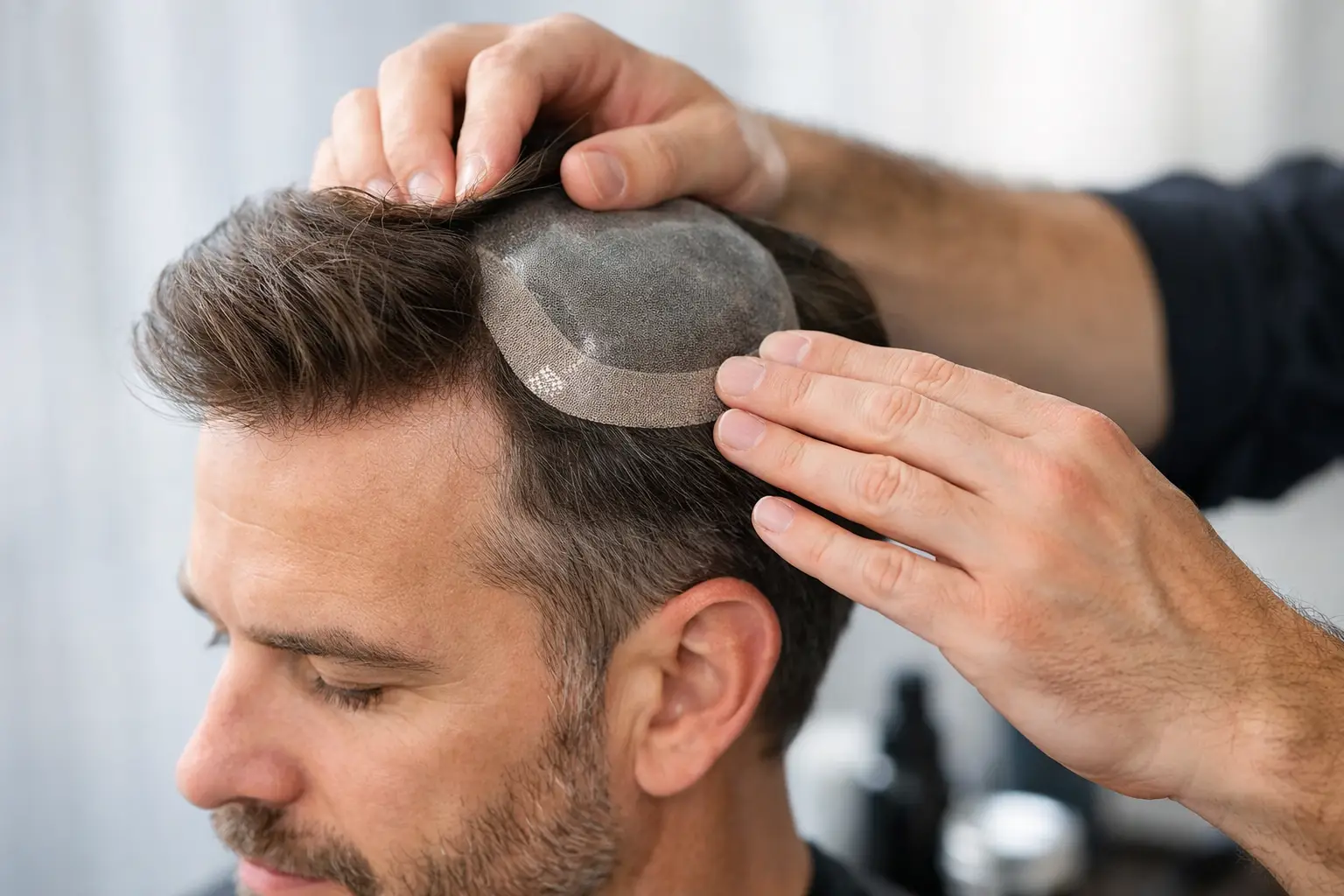
A well-fitted hair system should feel like part of your routine, not something you constantly worry about. Understanding how hair systems stay attached can replace uncertainty with confidence, whether you want a temporary daytime solution or dependable wear that lasts for weeks.
Hair systems do not stay in place through one universal method. The right attachment approach depends on your scalp condition, lifestyle, the size and base of the system, how much natural hair you have, and how often you want to remove it. A specialist consultation helps match those details to an attachment method that looks natural, feels comfortable, and supports healthy skin.
How Hair Systems Stay Attached to the Scalp
Most modern hair systems are secured with medical-grade tape, liquid adhesive, clips, or a combination of these methods. These products are designed to create a close hold between the hair system base and either the scalp or existing natural hair.
The system itself has a base, often made from lace, thin skin, monofilament, or a hybrid of these materials. The base affects both the appearance and the attachment choice. For example, a fine lace front can create an exceptionally realistic hairline but may require a carefully applied adhesive. A polyurethane, often called skin, perimeter provides a smooth surface for tape and can make cleanup more straightforward.
A secure result starts well before the adhesive touches the scalp. The area is usually clipped or shaved where needed, cleansed to remove oil and residue, and prepared with a scalp-safe protective barrier if appropriate. This preparation gives tape or adhesive the clean surface it needs to perform properly.
Medical-Grade Hair System Tape
Double-sided hair system tape is one of the most common choices for non-surgical hair replacement. It comes in different hold strengths, from daily-wear strips that are easy to remove to extended-wear tapes designed to remain secure for one to several weeks.
Tape is often applied around the perimeter of the hair system, although some systems use additional strips in the center for more stability. It offers a clean, controlled application and is popular with people who prefer a reliable hold without the drying time associated with liquid adhesive.
The trade-off is that stronger tape can require more patience during removal and cleaning. Sweat, scalp oil, swimming, and humid conditions may also shorten its lifespan. For active clients, the answer is not always the strongest possible tape. A specialist may recommend a hold that balances security with skin comfort and a maintenance schedule that fits real life.
Liquid Adhesives for a Natural Hairline
Liquid adhesives are particularly useful along the front hairline, where a close, undetectable finish matters most. Depending on the formula, they may be brushed or dabbed onto the scalp, allowed to become tacky, and then pressed into place with the hair system.
Clear and matte adhesives can help the hairline appear less visible, especially with lace bases. They are available in different strengths and formulas for normal, oily, or sensitive skin. A properly applied adhesive should not feel excessively tight, burn, or cause ongoing itching. Those signs suggest the formula, application, or scalp preparation needs to be reviewed.
Longer wear is not automatically better. Extended-wear adhesive may offer convenience, but it also means the scalp needs thoughtful cleaning and regular professional maintenance. A system should be removed before adhesive breakdown becomes difficult to manage, not after discomfort has already developed.
Clips, Integration, and Other Non-Adhesive Options
Not every hair system needs to be bonded directly to the scalp. Clip-in systems attach to existing hair and can be removed at home. They may suit people with enough healthy hair around the attachment area who want flexibility for occasional wear or daily removal.
Integration methods, including hair weaving, use a client’s existing hair as part of the support structure. These options can create added volume and coverage without scalp adhesive, but they require careful fitting. If clips or weaving points are too tight, they can create tension and place stress on fragile hair.
For people experiencing diffuse thinning or medically related hair loss, a bonded system or medical wig may be more appropriate than clips. The goal is always to choose a method that supports the individual’s hair and scalp condition rather than forcing one solution onto every type of hair loss.
What Determines How Long a Hair System Stays Attached?
Attachment duration varies widely. Some people remove their systems every day, while others wear them continuously for several weeks between maintenance appointments. The hold is influenced by product choice, but it is also affected by the person wearing it.
An oily scalp can weaken adhesive more quickly. Frequent intense exercise, sauna use, swimming, and humid weather can do the same. The amount of hair system coverage matters as well: a small topper generally places less demand on attachment than a full-coverage system. Even the shape of the scalp and the way the system is cut and positioned can affect stability.
A realistic maintenance plan is more valuable than chasing the longest advertised hold. Someone who works out daily may be happier with a secure, easy-to-clean attachment refreshed more often. Someone with a lower-activity routine may prefer an extended-wear option with professional removal and reapplication.
A Secure Hold Should Still Feel Comfortable
A hair system is not meant to feel loose, but it should not feel painful either. A natural-looking result depends on more than strong adhesive. The base must fit the contours of the head, the hairline must be positioned correctly, and the density should suit the wearer’s age, facial features, and existing hair.
An overly large system can lift at the edges. A system that is too small may pull or leave obvious transitions. When the hairline is placed too low, it can look unnatural and make cleaning difficult. These details are why professional fitting matters, especially for first-time wearers.
At HairSpec, a consultation-led approach allows the attachment method, system base, hair direction, density, and maintenance routine to be considered together. This is particularly helpful when hair loss is changing, the scalp is sensitive, or the client wants a discreet, natural result that works with a demanding schedule.
Signs It Is Time for Maintenance
Do not wait for a system to come loose completely. Lifting at the front or sides, increased itching, an adhesive odor, residue around the edges, or a shift in the system’s position are all signs that it is time for cleaning and reattachment.
Regular maintenance also gives a specialist the opportunity to inspect the scalp. Healthy attachment should allow the skin to be cleansed, checked, and given appropriate care. If redness, persistent irritation, flaking, or tenderness occurs, stop using the product and seek professional advice before reapplying the system.
Caring for a Hair System Between Appointments
The way you care for your hair system directly affects how well it stays attached. Avoid applying heavy oils, conditioners, or styling products close to the bonded perimeter, as these can migrate to the adhesive and weaken the hold. When washing, use gentle products suited to the system hair and avoid aggressive rubbing at the edges.
After exercise or sweating, gently pat the hairline dry rather than scrubbing it with a towel. If you swim, follow your specialist’s guidance on when it is safe to do so after a fresh application. Chlorine and saltwater do not necessarily make hair replacement impossible, but they can require more attentive aftercare.
Never pull a system off quickly to test whether it is secure. Removal should be slow and supported with the correct adhesive remover. Pulling can irritate the scalp, damage a delicate lace base, and make the next application less comfortable. Proper removal is part of proper attachment.
The Best Attachment Method Is Personal
The question is not simply whether tape or glue is better. It is whether the method suits your scalp, lifestyle, desired wear time, and confidence goals. A person with a sensitive scalp may need a gentler formula and more frequent changes. A person seeking a highly natural exposed hairline may benefit from a lace-front system with precision adhesive application. Someone who wants the freedom to remove their hair piece nightly may prefer clips.
The right hair system should let you focus on your day, your work, and the people around you, not on whether your hair looks secure. A professional scalp assessment can provide the clarity to choose an attachment plan that feels as good as it looks.