

A scalp assessment can turn a vague worry – more hair in the shower, a widening part, a receding hairline – into useful information. This guide to scalp assessment results explains what specialists look for, what common findings may mean, and how those findings can shape a treatment plan that feels right for you.
Hair loss is personal, but it is rarely random. The condition of your scalp, the pattern of thinning, the quality of your existing hair, and your recent health history can all influence the next step. A good assessment is not about pushing one procedure. It is about identifying what is happening now and choosing an approach that supports natural-looking, comfortable results.
What a scalp assessment actually measures
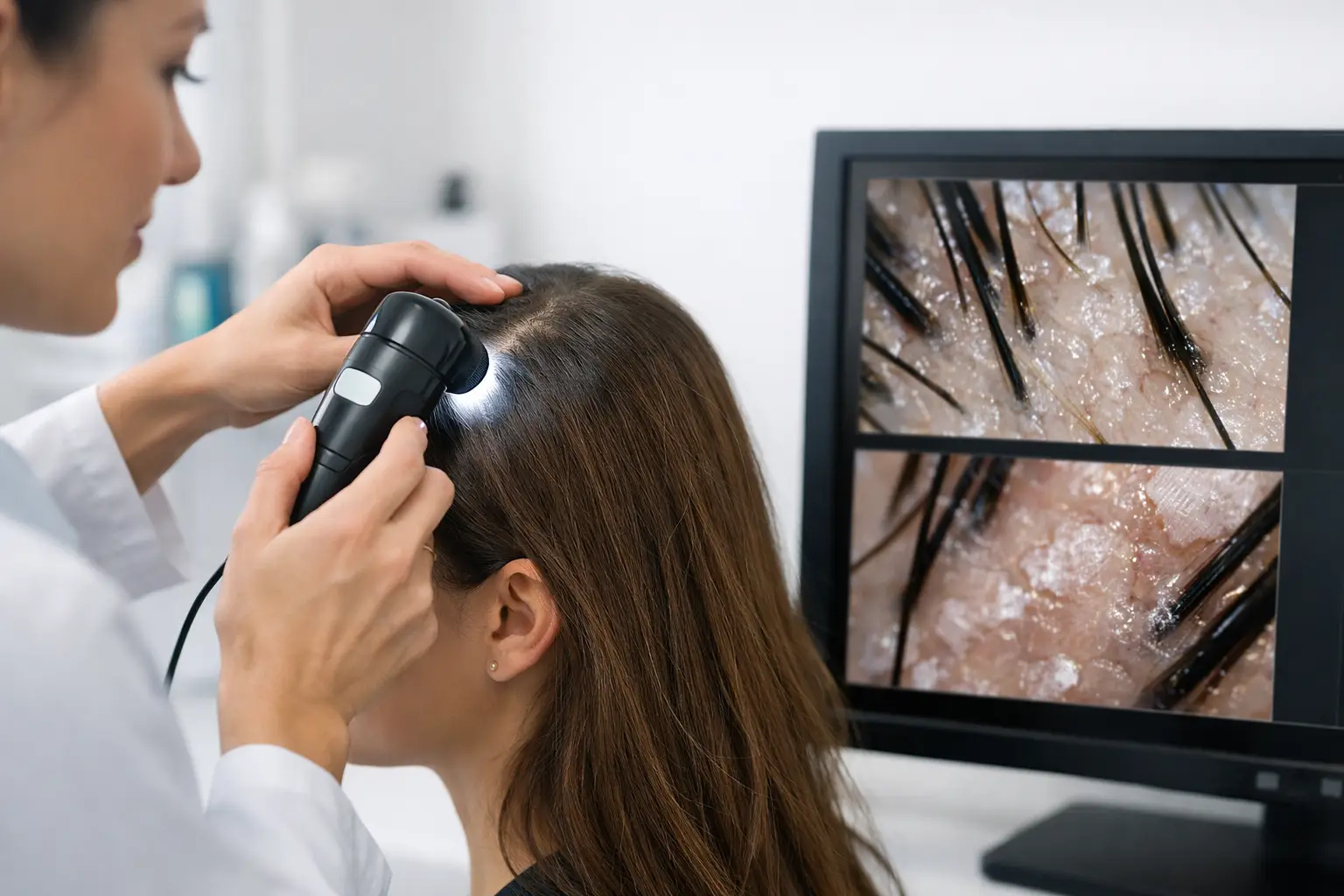
A professional scalp assessment usually combines a close visual examination with magnified imaging of the scalp and hair shafts. Your specialist may also ask about your family history, styling habits, medications, stress levels, hormonal changes, medical conditions, and how quickly you have noticed a change.
The goal is to separate temporary shedding from progressive thinning, identify scalp concerns that may affect growth, and understand whether the donor areas have enough density for certain options. It also helps distinguish a hair issue from a scalp issue. For example, a person may have healthy follicles but an irritated, oily, or flaky scalp that needs attention before restorative treatments can perform at their best.
Assessment results are best viewed as a starting point, not a diagnosis made from one image alone. When there are signs of sudden, patchy, painful, or inflamed hair loss, a medical evaluation may be needed alongside cosmetic or restorative care.
Guide to scalp assessment results: the key findings
Results can seem technical at first. The most useful question is not simply, “Is my scalp healthy?” It is, “What does this finding mean for my hair’s appearance, growth environment, and treatment options?”
Hair density and coverage
Hair density refers to how many hairs are growing within a measured area of the scalp. Lower density around the hairline, crown, part, or temples can make the scalp more visible, especially under bright indoor lighting or when the hair is wet.
A result showing reduced density does not automatically mean you need a surgical solution. The best option depends on the degree of loss, the stability of the pattern, your desired level of maintenance, and how quickly you want a visible change. Early or mild thinning may suit treatments aimed at supporting the scalp and existing follicles. More advanced loss may call for options such as non-surgical hair replacement, scalp micropigmentation, or a hair transplant consultation.
Density should also be considered alongside hair texture. Fine hair may create less visual coverage than coarse hair, even when the number of follicles is similar. This is why treatment recommendations should focus on both measured density and the look you want to achieve.
Hair shaft diameter and miniaturization
One of the most revealing findings is variation in hair shaft diameter. In pattern hair loss, hairs can gradually become finer, shorter, and less pigmented over time. This process is known as miniaturization. It often occurs before a person sees obvious bald patches.
If an assessment shows miniaturized hairs mixed with stronger terminal hairs, it may suggest that follicles are still active but producing weaker strands. This can be a useful window for treatments designed to support hair quality and scalp circulation, such as low-level laser therapy or mesotherapy, where appropriate.
However, miniaturization can be progressive. A specialist should explain whether your pattern appears stable, early-stage, or more advanced. That distinction matters because a treatment that helps preserve existing hair may not create the immediate density desired in an area that has already lost substantial coverage.
Shedding versus thinning
Shedding and thinning are related but not identical. Shedding means more hairs are moving into the resting and release phase of the growth cycle. It can follow illness, significant stress, rapid weight change, childbirth, surgery, nutritional changes, or certain medications. In some cases, the shedding is temporary and regrowth follows over time.
Thinning describes reduced visible volume or density. It may result from persistent shedding, miniaturization, breakage, or a combination of factors. During an assessment, your specialist may look for hairs of different lengths and diameters, signs of breakage, and distribution across the scalp.
The distinction affects your plan. If the concern is mainly temporary shedding, a supportive scalp program and monitoring may be more sensible than making a major long-term decision immediately. If thinning follows a clear pattern at the crown, temples, or part line, a longer-term restoration strategy may be more appropriate.
Scalp oil, flakes, buildup, and irritation
Scalp imaging may reveal oil buildup, dead skin cells, product residue, redness, flaking, or blocked follicle openings. These findings do not always cause hair loss directly, but they can create an uncomfortable environment for the scalp and make hair appear flatter, duller, or thinner.
An oily scalp, for example, does not mean you should aggressively strip it with harsh products. Over-cleansing can worsen dryness or irritation for some people. Similarly, visible flakes may come from simple buildup, dryness, seborrheic dermatitis, or another condition requiring medical advice. The right recommendation depends on what the scalp actually shows.
A targeted hair spa or scalp care routine can improve comfort and cleanliness, but it should be presented honestly. It can support scalp condition and hair appearance; it is not a guaranteed cure for genetic hair loss.
Follicle condition and scalp visibility
Magnification can help a specialist assess whether follicle openings are visible and whether the scalp surface appears calm and healthy. In areas with pronounced thinning, greater scalp visibility can be the main cosmetic concern even when some hair remains.
This is where appearance-focused solutions can be especially valuable. Scalp micropigmentation can reduce the contrast between hair and scalp, creating the look of fuller coverage or a denser cropped style. Non-surgical hair replacement can offer immediate, customizable density for clients who want a fuller look without waiting for gradual change. The right choice depends on your lifestyle, preferred hairstyle, budget, maintenance comfort, and whether you want a reversible solution.
How results guide the right treatment path
The most useful assessment ends with options, not pressure. A good recommendation should connect your findings to a clear goal: slow visible thinning, improve scalp condition, restore coverage, create the appearance of density, or combine approaches.
For someone with early miniaturization and a healthy but thinning crown, low-level laser therapy or mesotherapy may be considered as part of a non-invasive plan. For someone with stable, advanced pattern loss and suitable donor hair, a transplant consultation may be worth discussing. For a client dealing with medical hair loss, rapid changes, or a need for privacy and immediate coverage, medical wigs or non-surgical hair replacement may offer a practical and confidence-restoring option.
Combination plans are common because hair loss rarely follows a single rule. A client may use scalp care to address buildup, treatment support for existing hair, and a cosmetic density solution for areas where coverage is already limited. The trade-off is commitment: some options require ongoing sessions or maintenance, while others involve a larger upfront investment or recovery period.
Questions worth asking after your assessment
Before deciding, ask your specialist what the images show compared with a healthy area of your own scalp. Ask whether the pattern looks temporary, stable, or likely to progress, and how long it may take to judge a treatment response. You should also ask what maintenance is involved, what results are realistic for your current density, and whether a medical referral is advisable.
Clear answers matter. Be cautious of promises to regrow every lost hair or claims that one treatment suits every type of thinning. Hair restoration is most successful when expectations are based on the current condition of your scalp, not on dramatic before-and-after assumptions.
At HairSpec, a private scalp assessment is designed to give clients that clarity, with a range of non-surgical and restorative options available when the next step is right.
Your result is not a verdict on how you should look. It is a practical snapshot that can help you make a more informed choice, whether that means caring for your scalp, monitoring a change, or restoring the fuller-looking hair that helps you feel more like yourself.